It’s a wonderful time. You’re getting ready to welcome a new baby. But let’s be honest, it’s also a very busy time. Life changes fast. You might be thinking about all the little things you need. One big thing many parents think about is food. What will you eat? Cooking after the baby comes can feel impossible. That’s where freezer meals come in. They can be a lifesaver. This guide will help you prepare. You’ll learn what to make and how to do it easily.
Preparing freezer meals before your baby arrives is a smart way to ensure you have nourishing, easy-to-access food during those first hectic weeks. It saves time, reduces stress, and provides comfort when you need it most. This guide covers simple recipes, smart prep strategies, and storage tips.
What Are Freezer Meals for New Parents?
Freezer meals are simply dishes you prepare ahead of time. You then store them in your freezer. Later, you can just pull them out and reheat them. This is a huge help when you have a newborn. You might be tired. You might have no time. You might not even want to think about cooking. Freezer meals are your answer. They offer comfort and nutrition without the work.
Think about those first few weeks. You’ll be focused on your baby. Feeding, changing diapers, and soothing cries take up your day. Even simple tasks like showering can feel like a luxury. Having a freezer full of ready-to-eat meals means one less thing to worry about. You can avoid fast food or quick, less healthy options. You can eat well.
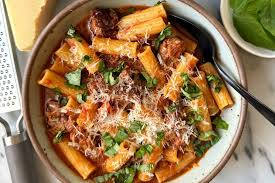
These meals are often casseroles, soups, stews, pasta dishes, and baked goods. The key is choosing things that freeze and reheat well. Not everything freezes perfectly. Some textures change. But many things come out tasting almost as good as when they were fresh. It’s like magic for tired parents.
Why Prep Freezer Meals Before Baby? The Real Reason
The biggest reason to prep freezer meals is stress reduction. When you’re sleep-deprived and overwhelmed, the thought of making dinner can be crushing. You don’t want to add that burden. Having meals ready means you can just heat and eat. This frees up your mental energy for more important things, like bonding with your baby.
It also helps with nutrition. New parents often rely on quick takeout. This can be expensive and not always the healthiest. Homemade freezer meals are packed with good ingredients. You control what goes in. You can make them as healthy as you like. This is good for your recovery and your energy levels.
And let’s not forget cost savings. Buying takeout every night adds up. Making a big batch of meals and freezing them is far more economical. You buy ingredients in bulk and use them efficiently. It’s an investment that pays off many times over.
My Own Freezer Meal Experience
I remember when my second baby was born. The first one was a breeze, or so I thought. With the second, it was chaos. My older child still needed attention. My partner was working long hours. I was recovering from birth. One evening, around 7 PM, I realized we hadn’t eaten anything substantial all day. My stomach growled. My toddler was asking for dinner. I felt this wave of panic.
I looked in the fridge. Nothing ready. The freezer seemed empty too. I almost cried thinking about having to cook. Then, I remembered. Tucked away in the back of the freezer were three foil containers. They were meals I’d made weeks before. One was lasagna. Another was chicken chili. The third was shepherd’s pie. I pulled out the chili. It took about 20 minutes to heat. We ate, and it was delicious. It tasted like a home-cooked meal, made by a stranger who somehow knew I’d need it. That night, I vowed to always have a stocked freezer for future events. It truly saved us.
Prep Smart: Choosing the Right Foods
Not all foods freeze well. Stick to these types:
- Hearty Soups and Stews: Lentil, beef stew, chicken noodle.
- Casseroles: Lasagna, baked ziti, shepherd’s pie.
- Chili: Turkey, beef, or vegetarian.
- Pasta Sauces: Meat sauce, marinara. Freeze sauce separate from cooked pasta.
- Cooked Meats: Pulled pork, shredded chicken.
- Muffins and Breads: Great for snacks or quick breakfasts.
Avoid creamy soups, fried foods, and delicate vegetables. They can get mushy or watery.
What to Cook: Easy Freezer Meal Ideas
You want meals that are simple to make and taste great after freezing. Here are some ideas. They are crowd-pleasers and freeze well.
Hearty Soups and Stews
These are perfect. They are comforting and full of nutrients.
Chicken Noodle Soup
A classic for a reason. Use lots of veggies like carrots and celery. Cook the noodles separately and add them when reheating. This stops them from getting mushy.
Beef Stew
Slow-cooked beef breaks down beautifully. Add potatoes, carrots, and peas. This reheats wonderfully.
Lentil Soup
A hearty, healthy option. Lentils hold their shape well. This is great for vegetarians or anyone wanting more fiber.
Comforting Casseroles
Casseroles are the backbone of freezer meals. They are designed to be baked and often reheat well.
Lasagna
Everyone loves lasagna. Make a big pan. You can freeze individual portions or the whole dish. Make sure to let it cool before freezing.
Shepherd’s Pie
A comforting mix of ground meat and veggies topped with mashed potatoes. Freeze the whole dish or individual servings.
Baked Ziti
A simpler pasta bake. Use ricotta and mozzarella cheese. It’s a guaranteed hit.
Flavorful Chilies
Chili is fantastic for freezing. The flavors often deepen.
Classic Beef Chili
Hearty and filling. Add beans and your favorite spices.
Turkey or Chicken Chili
A lighter option. Still packed with flavor.
Other Great Options
Don’t forget these easy meals.
Pulled Pork or Chicken
Cook a pork shoulder or chicken breasts low and slow. Shred the meat. Freeze it in its juices. You can use this for sandwiches, tacos, or salads later.
Pasta Sauces
Marinara sauce or a meat sauce. Freeze the sauce only. Cook pasta fresh. This gives you a quick meal any night.
Smart Prep Tips
When to Start: Begin prepping about 4-6 weeks before your due date. This gives you time without rushing.
Double Up: When making dinner, make double. Freeze one portion for later.
One-Dish Wonders: Focus on meals that are complete or need very little added.
Label Everything: Use masking tape and a marker. Include the meal name and the date it was frozen.
Cool Completely: Always let food cool before freezing to prevent ice crystals and spoilage.
How to Store Your Freezer Meals
Proper storage is key to keeping your food safe and tasty. You want to prevent freezer burn. Freezer burn happens when food is exposed to air.
Choosing the Right Containers
Freezer Bags: Heavy-duty freezer bags are great for soups, stews, and sauces. Squeeze out as much air as possible. Lay them flat on a baking sheet to freeze. This makes them stackable.
Freezer-Safe Containers: Glass or BPA-free plastic containers work well. Make sure they have tight-fitting lids. They are good for casseroles and anything that might get squashed in bags.
Aluminum Foil Pans: These are convenient for casseroles and baked dishes. Cover them tightly with plastic wrap and then foil.
Tips for Freezing
Portion Control: Think about how many people you’ll be feeding. Freeze meals in single servings, double servings, or family-sized portions. This makes reheating easier.
Cool Before Freezing: This is very important. Hot food can raise the temperature of your freezer. It can also cause other foods to partially thaw. Let meals cool to room temperature first.
Remove Air: Air is the enemy of frozen food. Use vacuum sealers if you have one. If not, press out as much air as you can from bags. Or, press plastic wrap directly onto the surface of casseroles before adding a lid.
Label Clearly: As mentioned, date and name each item. This helps you track freshness.
Contrast: Normal vs. Concerning Freezer Meals
Normal:
- Slight change in texture (e.g., vegetables softer).
- Clear, well-defined layers in casseroles.
- Easy to reheat and serve.
Concerning:
- Signs of freezer burn (dry, discolored patches).
- Watery or mushy texture that wasn’t there before.
- Off odors or flavors.
- Torn packaging with ice crystals inside.
Making it a Group Effort
You don’t have to do this all yourself. Friends and family often want to help. They just don’t know how.
The Freezer Shower
This is a growing trend. Instead of gifts, guests bring a frozen meal. It’s a fantastic way to stock your freezer. They can coordinate to bring a variety of dishes. Make sure to give them clear instructions on what freezes well and what containers to use.
Help from Loved Ones
Ask your partner, parents, or siblings to help with the prep. Even an afternoon of chopping veggies or assembling casseroles can make a huge difference. Assign tasks. Someone can do the grocery shopping. Someone else can do the cooking.
“Meal Train” Style
If you have a good support network, set up a meal train. People can sign up to bring a meal on a specific day. This can include fresh meals delivered to your door or frozen meals for your freezer.
When to Worry: Signs of Food Spoilage
Your freezer is a great preservation tool. But food doesn’t last forever.
Smell Test
If it smells off, don’t eat it. This is the most basic rule. If there’s a sour, rotten, or strange smell, toss it.
Appearance Matters
Look for signs of spoilage. This includes mold growth, slimy texture, or unusual color changes. If you see any of these, it’s best to discard the food.
Taste Test (Cautiously)
If it looks and smells fine, you can taste a very small amount. If it tastes bad, spit it out immediately and throw the rest away.
Freezer Burn
A little freezer burn doesn’t make food unsafe, but it affects the taste and texture. It makes food dry and tough. You can often trim away freezer-burned parts.
Safety Guidelines
The USDA recommends keeping frozen food at 0°F (-18°C). When stored properly, most frozen meals are good for 3–6 months. Some, like soups and stews, can last up to a year. Always check dates.
Quick Scan: Reheating Tips
Oven: Best for casseroles. Preheat oven to 350°F (175°C). Remove plastic wrap.
Cover with foil. Bake until heated through, about 30-45 minutes. Remove foil for the last 10 minutes if needed.
Microwave: Good for soups, stews, and single portions. Use a microwave-safe dish. Cover loosely.
Heat in short bursts, stirring in between, until hot.
Stovetop: Ideal for soups and sauces. Pour into a saucepan. Heat gently over medium-low heat, stirring often.
What This Means for You: Practical Steps
Preparing freezer meals takes effort. But the payoff is immense.
Start Small
If you’re new to this, don’t try to fill your entire freezer. Start with 3-5 meals. See how you like the process and how well they freeze.
Plan Your Meals
Look at your favorite recipes. Think about which ones would work. You can also find many specific freezer-friendly recipes online.
Make a Grocery List
Once you choose your meals, make a detailed list. Buy in bulk if possible to save money.
Schedule Prep Time
Block out a few hours on a weekend or a few evenings. Make it a dedicated task.
Involve Your Partner
This is a team effort. Your partner can help with shopping, cooking, and cleaning up.
Quick Fixes & Tips for Busy Parents
Even with a stocked freezer, some days are harder than others.
Breakfast Options
Don’t forget breakfast! Freeze muffins, breakfast burritos, or overnight oats.
Snack Stash
Keep easy snacks on hand. Granola bars, fruit, and cheese sticks are good choices.
Simple Add-ons
If you pull out a meal that feels a little plain, add a quick side. A bagged salad or some steamed frozen veggies can round out the meal.
Meal Prep: A Timeline Approach
10-8 Weeks Before Baby: Start researching recipes. Gather freezer-safe containers. Plan your freezer space.
7-5 Weeks Before Baby: Begin cooking and freezing meals. Focus on one or two meals per cooking session. Double recipes.
4 Weeks Before Baby: Ramp up prep. Aim to complete most of your freezer meals by this point. Organize and label everything.
Last 2 Weeks: Do a final check. Maybe freeze a few easy breakfasts or snacks. Rest and prepare for the baby!
Frequently Asked Questions
What are the best freezer meals for new parents?
Hearty soups, stews, chilis, and casseroles like lasagna or shepherd’s pie are excellent choices. These dishes tend to freeze and reheat well, offering comfort and nutrition with minimal effort.
How much freezer space do I need for pre-baby meals?
The amount depends on how many meals you plan to make. Consider your freezer’s capacity and how long you want the meals to last. Aim for at least 10-15 meals if possible. Using flat freezing methods with bags can maximize space.
Can I freeze meals with dairy or cheese?
Yes, many dairy-based meals freeze well. Lasagna, baked ziti, and shepherd’s pie with cheese toppings are usually fine. Some creamy sauces might separate slightly upon reheating, but they are still edible.
How long do freezer meals last?
When stored properly at 0°F (-18°C), most cooked meals last about 3–6 months. Some items, like hearty soups or stews, can be good for up to a year. Always check for signs of spoilage before consuming.
What’s the best way to reheat a frozen casserole?
The best method is usually in the oven. Remove any plastic wrap. Cover the casserole with foil and bake at 350°F (175°C) until heated through, typically 30-45 minutes. You can remove the foil for the last 10 minutes to brown the top.
Are there any foods that don’t freeze well?
Foods with high water content, like some delicate vegetables (lettuce, cucumber) or fried foods, can become mushy or lose their crispness. Creamy sauces may also separate. It’s best to add these fresh when serving.
Conclusion
Preparing freezer meals before your baby arrives is one of the most practical gifts you can give yourself. It’s an act of self-care. It ensures you and your family eat well during a time when you’ll be focused on something much more important: your new little one. Take the time now. Your future, well-fed self will thank you.