Understanding Gestational Diabetes and Food
Gestational diabetes is a type of diabetes that can develop during pregnancy. It affects how your body uses sugar. This can lead to high blood sugar levels.
These levels can impact your baby’s health. The good news is that it is usually manageable with diet and lifestyle changes. For most people, it goes away after the baby is born.
Food is a key part of managing it. What you eat directly affects your blood sugar levels. Your body breaks down food into glucose (sugar) for energy.
When you have gestational diabetes, your body doesn’t use this glucose as well as it should. This causes sugar to build up in your blood.
The goal of a meal plan is to keep your blood sugar within a healthy range. We want to avoid big spikes and drops. This helps keep you and your baby healthy.
It’s not about deprivation. It’s about making smart choices that nourish your body. Think of it as fueling yourself and your growing baby in the best way possible.
This means choosing foods that release sugar slowly into your bloodstream. This gives you steady energy. It also prevents your blood sugar from getting too high.
Experts like the American College of Obstetricians and Gynecologists (ACOG) emphasize diet as the first line of defense. They suggest working with a registered dietitian. This is because everyone is different.
Your needs might be unique. A dietitian can help create a personalized plan. They consider your weight, activity level, and preferences.
But understanding the basic principles is a great first step for anyone.
What Foods Should Be On Your Plate?
Let’s talk about the good stuff. These foods are your allies in managing gestational diabetes. They are packed with nutrients.
They also help keep your blood sugar happy. We want to focus on whole, unprocessed foods. These are the best for steady energy.
Lean Proteins
Proteins are amazing. They help you feel full. They also don’t raise your blood sugar much.
Including protein at every meal and snack is a great idea. This helps balance your plate. It slows down the absorption of carbs.
- Chicken and Turkey: Skinless is best. You can grill, bake, or stir-fry it.
- Fish: Salmon, trout, and cod are excellent choices. They are full of omega-3s, which are good for baby’s brain. Aim for fish low in mercury.
- Eggs: A super-food! You can have them scrambled, boiled, or as an omelet.
- Tofu and Tempeh: Great plant-based options. Very versatile in cooking.
- Legumes: Beans, lentils, and chickpeas are fantastic. They have protein and fiber.
Healthy Fats
Fats are important too. They help you absorb vitamins. They also make meals satisfying.
Choosing the right kinds of fats is key. Focus on unsaturated fats.
- Avocado: Creamy and delicious. Add it to salads or toast.
- Nuts and Seeds: Almonds, walnuts, chia seeds, flax seeds. Great for snacks.
- Olive Oil: Use this for cooking and dressings.
- Fatty Fish: Like salmon, which we mentioned under protein.
Whole Grains and Complex Carbohydrates
Carbohydrates are your body’s main energy source. The trick is to choose the right kind. We want complex carbs.
These have more fiber. Fiber slows down sugar release. Whole grains are your best friend here.
- Whole Wheat Bread and Pasta: Look for “100% whole wheat” on the label.
- Brown Rice: Better than white rice. It has more fiber.
- Quinoa: A complete protein and a whole grain. Very nutrient-dense.
- Oats: Plain rolled oats or steel-cut oats are great. Avoid instant oatmeal with added sugar.
- Barley: A chewy and filling grain.
- Sweet Potatoes: A fantastic source of vitamins and fiber.
Portion control is still important with these. Even healthy carbs can raise blood sugar if you eat too much at once. Your doctor or dietitian will guide you on exact amounts.
This is often measured in “carb choices” or grams per meal. For example, a serving of whole-grain bread might be one slice. A serving of brown rice could be about half a cup cooked.
Non-Starchy Vegetables
These are a dream! They are low in calories and carbs. They are packed with vitamins, minerals, and fiber.
You can eat a lot of these. They should fill a big part of your plate.
- Leafy Greens: Spinach, kale, lettuce, arugula. Use them in salads or sautéed.
- Broccoli and Cauliflower: Great steamed or roasted.
- Bell Peppers: All colors are good! Add them raw or cooked.
- Cucumbers and Zucchini: Refreshing and low in carbs.
- Tomatoes: Full of vitamins.
- Asparagus, Green Beans, Brussels Sprouts: All excellent choices.
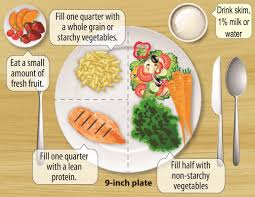
Aim to fill half your plate with these at lunch and dinner. They add volume and nutrients without many carbs. This helps you feel full and satisfied.
Fruits
Fruits are healthy and delicious. They have natural sugars and fiber. The fiber helps slow down the sugar release.
However, some fruits have more sugar than others. It’s best to choose lower-sugar fruits. Also, it’s good to pair them with a protein or fat.
This helps prevent a sugar spike.
- Berries: Strawberries, blueberries, raspberries, blackberries. Lower in sugar, high in fiber.
- Apples and Pears: Good choices, especially with the skin on.
- Peaches and Plums: Enjoy them in moderation.
- Oranges: A good source of Vitamin C.
It’s usually better to eat whole fruit rather than juice. Juice has much of the fiber removed. This means the sugar hits your bloodstream faster.
A small apple or about half a cup of berries is a good serving size.
Smart Swaps for Your Kitchen
Instead of: White bread
Try: 100% whole wheat bread
Instead of: Sugary cereal
Try: Plain oatmeal with berries
Instead of: White rice
Try: Brown rice or quinoa
Instead of: Fruit juice
Try: Whole fruit (like an apple)
Instead of: Candy or cookies
Try: A small handful of nuts or a piece of fruit with cheese
Foods to Enjoy Less Often
Some foods can cause rapid spikes in blood sugar. It’s not about never eating them. It’s about enjoying them less often and in smaller amounts.
Or finding healthier alternatives. These often include refined grains and added sugars.
Sugary Drinks
This is a big one. Sodas, fruit juices, sweetened teas, and coffee drinks can be packed with sugar. They offer little to no nutritional value.
They cause blood sugar to skyrocket. Water is always the best choice. Unsweetened herbal teas are also good.
Refined Grains
These are grains that have had the bran and germ removed. This means they have less fiber and nutrients. White bread, white pasta, white rice, and most crackers fall into this category.
They break down into sugar quickly.
Sweets and Desserts
Cakes, cookies, pastries, candy, ice cream, and sweetened yogurts are usually high in sugar and refined flour. They are delicious, but they can really affect your blood sugar. If you crave something sweet, try the suggestions in the smart swaps section.
Processed Foods
Many pre-packaged snacks, convenience meals, and fast food items are high in added sugars, unhealthy fats, and sodium. They often lack the fiber and nutrients needed for stable blood sugar.
Contrast: Foods to Watch
Common Culprits:
- Sugary drinks (soda, juice)
- White bread and pasta
- Candy and baked goods
- Sweetened yogurts
- Processed snack foods
Why They Matter: These foods cause quick blood sugar spikes. They offer limited nutrients. They can lead to more hunger later.
Creating a Balanced Meal Plan: What a Day Might Look Like
Putting it all together can seem tricky. But once you have the principles, it becomes easier. The key is balance and consistency.
Three main meals and two to three snacks are often recommended. This helps prevent large swings in blood sugar.
Breakfast
Breakfast is important. It sets the tone for your day. It’s also a time when some people are more sensitive to carbs.
Pairing carbs with protein and fat is crucial.
- Option 1: 2 scrambled eggs with spinach and a slice of 100% whole wheat toast with a thin layer of avocado.
- Option 2: 1/2 cup plain Greek yogurt with 1/4 cup berries and 1 tablespoon chopped almonds.
- Option 3: 1/2 cup cooked oatmeal (made with water or unsweetened milk) topped with 1 tablespoon chia seeds and a few raspberries.
Mid-Morning Snack
This snack helps keep your energy up and blood sugar stable before lunch.
- Option 1: A small apple with 1 tablespoon of natural peanut butter.
- Option 2: A handful of almonds (about 1/4 cup).
- Option 3: A hard-boiled egg.
Lunch
Aim for a balanced lunch with lean protein, healthy fats, and plenty of vegetables. Include a moderate portion of complex carbs.
- Option 1: Large salad with grilled chicken or salmon, mixed greens, cucumber, tomatoes, bell peppers, and a light vinaigrette. Add 1/2 cup cooked quinoa on the side or mixed in.
- Option 2: Turkey and veggie wrap using a whole wheat tortilla. Fill with lean turkey slices, lettuce, tomato, avocado, and mustard. Serve with a side of raw carrots and celery sticks.
- Option 3: Lentil soup (homemade or low-sodium canned) with a small side salad.
Afternoon Snack
This is similar to your morning snack. It bridges the gap until dinner.
- Option 1: Cottage cheese with a few slices of cucumber.
- Option 2: A small handful of walnuts and a few whole grain crackers.
- Option 3: A small pear.
Dinner
Focus on a large portion of non-starchy vegetables, lean protein, and a moderate portion of complex carbs.
- Option 1: Baked salmon with roasted broccoli and 1/2 cup of brown rice.
- Option 2: Lean ground turkey stir-fry with lots of mixed vegetables (broccoli, peppers, snap peas) served with 1/2 cup of quinoa. Use a low-sodium soy sauce or tamari.
- Option 3: Grilled chicken breast with a large side of steamed green beans and a small baked sweet potato.
Evening Snack (if needed)
Some people need a small snack before bed to keep blood sugar stable overnight. This should be light.
- Option 1: A small glass of unsweetened milk.
- Option 2: A few whole-grain crackers with a small amount of cheese.
Quick Scan: Sample Daily Menu
| Meal | Options |
| Breakfast | Scrambled eggs with spinach, 1 slice whole wheat toast with avocado |
| Mid-Morning Snack | Small apple with 1 tbsp peanut butter |
| Lunch | Chicken salad on mixed greens, 1/2 cup quinoa |
| Afternoon Snack | Cottage cheese with cucumber |
| Dinner | Baked salmon, roasted broccoli, 1/2 cup brown rice |
| Evening Snack | Small glass of unsweetened milk |
Tips for Success and Making it Work
Sticking to a meal plan during pregnancy can have its challenges. But with a few strategies, you can make it feel much more manageable.
Stay Hydrated
Water is your best friend. It helps your body function. It also helps manage blood sugar.
Aim for at least 8-10 glasses of water a day. If plain water is boring, try adding slices of lemon, lime, or cucumber.
Read Food Labels
This is a superpower for managing gestational diabetes. Look at the total carbohydrates. Also, check for added sugars and fiber content.
Pay attention to serving sizes.
Plan Ahead
This is huge. When you have healthy options ready, you are less likely to grab something less healthy. Meal prepping on weekends can save you a lot of stress during the week.
Pack snacks for outings.
Don’t Skip Meals
Skipping meals can lead to overeating later. It can also cause your blood sugar to drop too low. Then, when you finally eat, your body might store more sugar as fat.
Stick to your regular meal and snack schedule.
Listen to Your Body
Your body will tell you a lot. Notice how different foods make you feel. Pay attention to your hunger and fullness cues.
This is different from just feeling hungry for sweets.
Exercise Matters
Regular, moderate exercise is incredibly helpful. It helps your body use insulin better. It lowers blood sugar.
Walking after meals is a great habit. Talk to your doctor about what kind of exercise is safe for you.
Mindful Eating
Try to eat without distractions. Slow down. Really taste your food.
This helps you feel more satisfied. It also helps you notice when you are full. This is a learned skill but very valuable.
Personal Experience: Navigating Cravings
The Situation: I remember one evening, about 7 months pregnant. I was so tired. All I wanted was a big bowl of sugary cereal.
It was the kind I used to eat before I knew better. My blood sugar had been a little high that day. I could feel that familiar craving starting to build.
It felt like a physical ache.
My Struggle: My mind was racing. “Just one bowl won’t hurt, right?” “You’ve been so good all day!” It’s so easy to give in when you’re feeling weak or stressed. I felt a pang of panic.
What if I ruined my progress? What if it was bad for the baby?
What I Did: Instead of going straight to the pantry, I stopped. I took a few deep breaths. I remembered what my dietitian told me: “Craving is often thirst or boredom.” I got up and drank a big glass of water.
Then, I looked in the fridge. I saw some plain Greek yogurt and some frozen berries. I quickly mashed them together.
It wasn’t the sugary cereal. But it was sweet, creamy, and had protein. It hit the spot.
I felt a huge wave of relief and pride. I had honored my craving, but in a healthy way.
What This Means for You
Understanding gestational diabetes and how food affects it is empowering. The main takeaways are about balance and smart choices. It’s about feeding your body and your baby well.
When It’s Normal
It’s normal to have to adjust your eating habits. It’s normal to feel a bit overwhelmed at first. It’s also normal for your blood sugar readings to fluctuate a bit.
Some days might be better than others. Learning what works for you takes time.
When to Check In
If your blood sugar readings are consistently high, even after trying to follow a healthy diet, talk to your healthcare provider or dietitian. They can help adjust your meal plan or discuss other management options. Also, pay attention to how you feel.
If you have symptoms like excessive thirst, frequent urination, or fatigue that are not typical for your pregnancy, let your doctor know.
Simple Checks You Can Do
Monitor your blood sugar: This is usually the primary way to track progress. Follow your doctor’s instructions on when and how often to test.
Keep a food diary: Write down what you eat and drink.
Note your blood sugar readings. This helps identify patterns.
Read labels: Even for foods you buy often. Formulas can change.
Normal vs. Concerning Signs
Normal:
- Needing to eat more frequent, smaller meals.
- Adjusting carb portions based on readings.
- Feeling satisfied with balanced meals.
- Occasional minor fluctuations in blood sugar.
Concerning (Talk to Your Doctor):
- Consistently high blood sugar readings.
- Frequent dips in blood sugar (hypoglycemia).
- Sudden, unexplained weight gain or loss.
- New symptoms like extreme thirst or vision changes.
Quick Tips for Meal Planning
Making meals and snacks that fit the guidelines can be simple. Here are some quick ideas:
- Breakfast Boost: Combine whole grains with protein. Think oatmeal with nuts or eggs with whole-wheat toast.
- Lunch Leftovers: Plan dinners so you have healthy leftovers for lunch. It saves time and stress.
- Snack Packs: Pre-portion nuts, seeds, or cheese cubes into small containers.
- Veggie Power: Keep a bag of pre-cut veggies (carrots, celery, peppers) in the fridge for easy snacking or adding to meals.
- Fruit Pairings: Always pair fruit with a protein or fat. A small apple with cheese or berries with a spoonful of nut butter.
- Hydration Station: Keep a water bottle with you at all times.
Frequently Asked Questions About Gestational Diabetes Meal Plans
Can I eat fruit with gestational diabetes?
Yes, you can eat fruit. Focus on lower-sugar fruits like berries, apples, and pears. It’s best to eat whole fruits instead of juice.
Pair fruit with a protein or fat source, like a small handful of almonds or a piece of cheese. This helps slow down sugar absorption.
How much carbohydrate should I eat per meal?
The exact amount varies for each person. A common starting point recommended by dietitians is around 30-45 grams of carbohydrates per meal. However, your doctor or a registered dietitian will give you personalized targets based on your blood sugar monitoring and needs.
Do I have to cut out all sweets?
It’s not about cutting out all sweets, but limiting them. Focus on enjoying sweets less often and in very small portions. Sometimes, healthier dessert options like a small bowl of berries with a little whipped cream or a small piece of dark chocolate can satisfy a craving.
What about dairy products like milk and cheese?
Most dairy products are a good source of protein and calcium. Plain milk (unsweetened) can be included in moderation. Cheese is a good source of protein and fat, which can help balance carbs.
Opt for plain yogurt and avoid those with added sugars.
Is it safe to eat sweet potatoes with gestational diabetes?
Yes, sweet potatoes can be a healthy choice. They are rich in fiber and vitamins. However, like all starchy vegetables and grains, portion control is important.
A small sweet potato or about half a cup of cooked sweet potato is a good starting point. Pair it with lean protein.
Will I have gestational diabetes after pregnancy?
For most women, gestational diabetes goes away after the baby is born. However, having gestational diabetes means you have a higher risk of developing type 2 diabetes later in life. It’s important to maintain a healthy lifestyle after pregnancy.
Conclusion
Managing gestational diabetes through diet is achievable. It’s about making informed choices that nourish you and your baby. Focus on whole foods, lean proteins, healthy fats, and plenty of vegetables.
Small, regular meals and snacks help keep blood sugar stable. Remember to listen to your body and work closely with your healthcare team. You’ve got this!