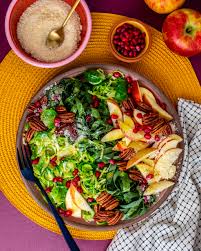
A well-planned vegetarian pregnancy meal plan ensures you get vital nutrients like iron, B12, and protein. It focuses on whole foods, varied meals, and smart supplementation to support both mother and baby’s health throughout gestation.
Understanding Vegetarian Nutrition During Pregnancy
Pregnancy is a time when your body works extra hard. It needs lots of good food for you and your growing baby. Being vegetarian means you skip meat, poultry, and fish.
But you can still get all the building blocks you need. The key is knowing what to look for. It’s about making smart food choices every day.
You need protein for your baby’s tissues. You also need iron to carry oxygen. Vitamin B12 is crucial for your baby’s brain.
Calcium helps build strong bones. And don’t forget healthy fats for brain development. These are all important for a healthy pregnancy.
We will cover how to get them from plant sources.
Essential Nutrients for a Vegetarian Pregnancy
Let’s talk about the stars of the show: the nutrients. These are the things your body craves during pregnancy. For vegetarian moms-to-be, some need a little extra attention.
Protein Power
Protein builds new cells. Your baby needs it to grow. It also helps your body with many functions.
Good sources include beans, lentils, tofu, tempeh, and edamame. Nuts and seeds are also protein helpers. Greek yogurt and eggs are options if you eat lacto-ovo vegetarian.
Aim for protein at every meal.
Iron for Energy
Iron is super important. It helps your blood carry oxygen. Pregnancy increases your blood volume.
So, you need more iron than usual. Plant-based iron, called non-heme iron, is not absorbed as well. You can boost absorption by eating iron-rich foods with vitamin C.
Think spinach salad with bell peppers. Or lentils with orange juice.
Vitamin B12: The Brain Booster
Vitamin B12 is mainly found in animal products. This makes it tricky for vegetarians. B12 is vital for brain development and nerve function.
If you’re vegan, you must use fortified foods or supplements. Fortified cereals, plant milks, and nutritional yeast are good options. Even lacto-ovo vegetarians should check their B12 levels.
Calcium for Bones
Calcium builds your baby’s bones and teeth. It also helps your body function. Dairy products are a common source.
But you can get calcium from many plant foods. Leafy greens like kale and bok choy are good. Fortified plant milks and juices are also excellent choices.
Tofu made with calcium sulfate is another great pick.
Omega-3 Fatty Acids: Brain Food
These healthy fats are great for your baby’s brain and eye development. While fatty fish are a common source, vegetarians can get them too. Flaxseeds, chia seeds, walnuts, and hemp seeds are good.
Some plant milks and eggs are also fortified with omega-3s. Look for ALA, EPA, and DHA omega-3s.
A Day in the Life: Sample Vegetarian Pregnancy Meal Plan
Okay, let’s put this into practice. Here’s a sample day. This shows how you can eat well and get all you need.
Remember, this is just an idea. You can swap things around. Listen to your body.
And talk to your doctor or a dietitian.
Morning Meal Magic
Breakfast: A warm bowl of oatmeal. Cook it with almond milk. Stir in chia seeds and walnuts.
Top with berries and a drizzle of maple syrup. This gives you fiber, protein, and omega-3s. It’s a gentle start to your day.
Mid-Morning Snack: A small apple with a tablespoon of almond butter. This balances carbs and healthy fats. It keeps hunger pangs away until lunch.
Lunchtime Nourishment
Lunch: A hearty lentil soup. Serve it with a side of whole-grain bread. Add a mixed green salad.
Toss it with chickpeas and a lemon-tahini dressing. This meal is packed with protein and iron. The vitamin C in the salad helps iron absorption.
Afternoon Treat: A handful of almonds and a few dried apricots. This provides energy and some fiber. It’s a nice change from sweet snacks.
Dinner Delights
Dinner: Tofu stir-fry. Use firm tofu, broccoli, bell peppers, and snap peas. Stir-fry in a light soy-ginger sauce.
Serve it over brown rice. This meal offers complete protein. It’s also full of vitamins and minerals.
Evening Snack (if needed): A small cup of plain Greek yogurt. Add a sprinkle of granola for crunch. Or a small glass of fortified soy milk.
Recipes to Inspire Your Vegetarian Pregnancy
Having delicious recipes makes eating healthy so much easier. Here are a few ideas that are simple and nutritious. They use common vegetarian staples.
Creamy Black Bean Burgers
Mash one can of black beans. Mix in breadcrumbs, finely chopped onion, garlic powder, and cumin. Form into patties.
Pan-fry or bake until golden brown. Serve on whole-wheat buns with your favorite toppings. This is a great protein source.
It’s also quite filling.
Spinach and Feta Stuffed Sweet Potatoes
Bake sweet potatoes until tender. Slice them open. Stuff with cooked spinach mixed with crumbled feta cheese.
You can also add some toasted pumpkin seeds. Sweet potatoes offer vitamin A. Spinach provides iron and calcium.
This is a flavorful and colorful meal.
Quinoa Salad with Roasted Vegetables
Cook quinoa according to package directions. Roast your favorite vegetables. Think zucchini, bell peppers, and red onion.
Toss the cooked quinoa with the roasted vegetables. Add a light vinaigrette dressing. You can also toss in some white beans for extra protein.
This salad is versatile and packed with nutrients.
Real-World Scenarios: Navigating Vegetarian Eating
Life happens, right? You might find yourself out and about. Or maybe you’re just tired and want something quick.
Let’s look at common situations.
Eating Out
Many restaurants offer vegetarian options now. Look for dishes with beans, lentils, tofu, or vegetables. Always ask about ingredients.
Sometimes a “vegetarian” dish might have hidden meat broth. Don’t be afraid to ask for substitutions. A simple salad with added beans can be a good option.
Pregnancy Cravings
Cravings are a normal part of pregnancy. If you crave something sweet, try fruit. If you want something salty, have a handful of nuts or seeds.
If you crave a specific dish, try to make a healthier vegetarian version. For example, baked fries instead of fried. It’s about balance, not perfection.
Budget-Friendly Choices
Beans, lentils, rice, and oats are very affordable. They are also incredibly nutritious. Buying produce in season can save money.
Farmers’ markets are sometimes cheaper. Buying in bulk for pantry staples like grains and dried beans can also help. Tofu is usually budget-friendly, too.
What This Means for You: Making Smart Choices
So, what’s the takeaway from all this? It means you have control. You can absolutely thrive on a vegetarian diet during pregnancy.
When It’s Normal
It’s normal to feel more hungry. It’s normal to have cravings. It’s normal to want to eat more nutrient-dense foods.
If you’re choosing a variety of fruits, vegetables, whole grains, and protein sources, you’re doing great. Feeling energetic most days is a good sign.
When to Pay Closer Attention
If you feel constantly tired, it might be a sign of low iron. If you experience frequent constipation, you might need more fiber or fluids. If you’re worried about protein intake, make sure you have a protein source at each meal.
Always discuss any concerns with your healthcare provider.
Simple Checks
Keep a food diary for a few days. This can help you see where you might be missing nutrients. Look at the variety of foods you eat.
Are you getting enough different colors of fruits and vegetables? Are you including protein sources regularly?
Quick Tips for a Nourishing Vegetarian Pregnancy
Here are some easy things you can do. They help make sure you and your baby get what you need.
- Plan Your Meals: Even a rough plan helps. Know what you’ll eat for a few days.
- Keep Snacks Handy: Nuts, seeds, fruit, or yogurt can prevent long gaps between meals.
- Hydrate Well: Drink plenty of water throughout the day.
- Read Labels: Look for fortified foods, especially for B12 and calcium.
- Consider Supplements: Talk to your doctor about prenatal vitamins and specific supplements like B12 or iron if needed.
- Listen to Your Body: Eat when you’re hungry. Stop when you’re full.
Frequently Asked Questions About Vegetarian Pregnancy
Is it safe to be vegetarian during pregnancy?
Yes, a well-planned vegetarian diet is safe and healthy for pregnancy. It’s important to focus on getting key nutrients like iron, B12, protein, and calcium. Consulting with a healthcare provider or registered dietitian is recommended.
What are the best vegetarian protein sources for pregnancy?
Excellent vegetarian protein sources include beans, lentils, tofu, tempeh, edamame, nuts, seeds, whole grains, and dairy products or eggs if you consume them.
How can I get enough iron on a vegetarian pregnancy diet?
Combine iron-rich foods like spinach, lentils, and fortified cereals with vitamin C sources such as bell peppers, citrus fruits, or berries. This pairing greatly improves iron absorption. Your doctor may also recommend an iron supplement.
Do I need to take extra B12 supplements if I’m vegetarian and pregnant?
Yes, it is highly recommended for all vegetarians, especially pregnant ones, to supplement with Vitamin B12 or consume B12-fortified foods regularly. B12 is crucial for fetal brain development and is not reliably found in plant-based foods.
What should I do about omega-3 fatty acids?
Include sources like flaxseeds, chia seeds, walnuts, and hemp seeds. Some people may also consider an algae-based omega-3 supplement (EPA/DHA) if advised by their doctor, as this is easily absorbed.
Can I eat soy products during pregnancy?
Yes, soy products like tofu, tempeh, and soy milk are generally considered safe and beneficial during pregnancy. They are good sources of protein and other nutrients. Ensure you consume them as part of a varied diet.
What if I have food aversions during my vegetarian pregnancy?
Food aversions are common. Focus on the vegetarian foods you can tolerate. If you are avoiding a key nutrient group, like all vegetables, talk to your doctor.
They can help you find alternatives or recommend supplements to ensure you get enough nutrition.
Final Thoughts on Your Vegetarian Pregnancy Journey
Embarking on a vegetarian pregnancy is a healthy choice. With careful planning and awareness, you can nourish yourself and your baby beautifully. Focus on whole foods, variety, and key nutrients.
You’ve got this! Enjoy this special time.