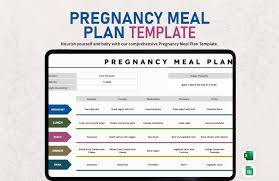
A healthy pregnancy diet on a budget is achievable with smart planning and simple ingredients. Focus on nutrient-dense, affordable foods like legumes, whole grains, seasonal produce, and lean proteins. This plan provides a week’s worth of easy, cost-effective meals to nourish you and your baby without straining your finances.
Understanding Pregnancy Nutrition on a Budget
Eating for two means getting more good stuff. But it doesn’t mean eating double the amount. Your body needs extra vitamins and minerals.
Things like folate, iron, calcium, and protein are super important. These help your baby grow strong. They also keep you healthy during this time.
The trick is to pick foods that give you the most bang for your buck. Think about nutrient density. That means foods packed with vitamins and minerals for their calorie count.
Cheap food can be healthy food. You just need to know what to look for. We’ll focus on staples that are easy on the wallet and great for you.
Many common pregnancy “superfoods” are actually quite affordable. Legumes like beans and lentils are protein powerhouses. They are also full of fiber.
Whole grains such as oats, brown rice, and whole wheat bread offer sustained energy. Eggs are a fantastic source of protein and choline. Frozen fruits and vegetables are just as good as fresh.
They often cost less and last longer.
Building meals around these basics makes healthy eating easy and cheap. It’s about making smart choices. It’s also about knowing how to prepare them.
Simple cooking methods are often best. They keep nutrients in and don’t add extra costs. We aim for balance and variety throughout the week.
My Pregnancy Budget Meal Planning Journey
I remember staring at the grocery store flyers. My morning sickness was still bad. I was trying to figure out how to eat well without spending too much.
It felt like every healthy option cost an arm and a leg. I was so frustrated. I felt like I was failing both myself and my baby.
One afternoon, I was making a simple lentil soup. It was late, and I was tired. I had just a few things left in the pantry.
Lentils, some carrots, an onion, and a can of diced tomatoes. It smelled so good as it simmered. I added a pinch of salt and pepper.
That simple, warm bowl felt like a feast. It was packed with nutrients and cost next to nothing. It clicked for me then: healthy pregnancy food doesn’t need to be fancy.
It just needs to be smart.
That experience changed how I approached my meals. I started looking for recipes that used everyday ingredients. I learned to plan my meals around sales.
I discovered that frozen vegetables were my best friend. I even started buying dried beans instead of canned. It made a huge difference in my grocery bill.
More importantly, I felt better knowing I was feeding myself and my baby well. It was a journey of small discoveries. It taught me that healthy eating is within reach for everyone.
Budget-Friendly Pregnancy Staples
Grains: Oats, brown rice, whole wheat pasta, whole wheat bread.
Proteins: Dried beans (black, kidney, pinto), lentils, eggs, canned tuna (in water), chicken thighs/drumsticks, tofu.
Vegetables: Carrots, onions, potatoes, sweet potatoes, cabbage, frozen peas, frozen corn, frozen spinach, seasonal greens.
Fruits: Bananas, apples, oranges, frozen berries, seasonal fruits.
Dairy/Alternatives: Milk, yogurt, fortified plant-based milks.
Healthy Fats: Peanut butter, vegetable oils, avocados (when on sale).
A 7-Day Budget Pregnancy Meal Plan
This plan is designed to be flexible. You can swap meals around. Use what you have in your pantry.
The focus is on simple, whole foods. We will cover breakfast, lunch, and dinner. Snacks are important too.
We will include some ideas for those.
Remember to drink plenty of water. It’s crucial during pregnancy. Aim for 8-10 glasses a day.
You can also have milk or herbal teas. Avoid sugary drinks. They offer little nutrition.
Day 1: Legume Love
Breakfast: Oatmeal with sliced banana. Use water or milk to cook. Add a sprinkle of cinnamon.
This is filling and cheap.
Lunch: Lentil soup with whole wheat bread. Make a big pot of lentil soup. It’s great for leftovers.
You can add carrots and celery if you have them.
Dinner: Black bean burgers on whole wheat buns. Serve with a side of steamed frozen corn. You can make the patties from scratch with canned or dried beans.
Snack Ideas for Day 1
- Apple slices with peanut butter.
- A small container of yogurt.
- Handful of almonds (if budget allows).
Day 2: Egg-cellent Choices
Breakfast: Scrambled eggs (2) with whole wheat toast. Add a side of sliced tomato if you have one.
Lunch: Leftover black bean burgers. Or have a large salad with hard-boiled eggs and mixed greens.
Dinner: Chicken and vegetable stir-fry. Use chicken thighs. Add frozen mixed vegetables like peas, carrots, and broccoli.
Serve over brown rice. Use soy sauce or a low-sodium alternative.
Day 3: Grain Power
Breakfast: Whole wheat toast with peanut butter and a drizzle of honey. Add a glass of milk.
Lunch: Tuna salad sandwich on whole wheat bread. Use canned tuna in water. Mix with a little mayonnaise or plain yogurt.
Serve with carrot sticks.
Dinner: Baked chicken drumsticks with roasted sweet potatoes. Season the chicken with herbs. Sweet potatoes are full of vitamins.
You can roast them with a little oil.
Quick Scan: Protein Sources
| Food | Approximate Cost Per Serving (USD) | Notes |
|---|---|---|
| Dried Lentils | $0.10 – $0.20 | Very affordable, high in protein and iron. |
| Eggs | $0.20 – $0.30 | Excellent source of protein and choline. |
| Canned Beans | $0.25 – $0.40 | Convenient, good protein and fiber. |
| Chicken Thighs | $0.50 – $0.80 | Cheaper cut, still a good protein source. |
| Canned Tuna | $0.50 – $0.75 | Good omega-3s, choose water-packed. |
Costs are estimates and vary by location and store.
Day 4: Hearty and Healthy
Breakfast: Yogurt with frozen berries. Thaw the berries slightly. They add sweetness and antioxidants.
Lunch: Leftover chicken and vegetable stir-fry. Make sure it’s heated through well.
Dinner: Shepherd’s pie with a lentil base. Use mashed potatoes or sweet potatoes for the topping. This is a hearty, comforting meal.
Day 5: Pasta Power
Breakfast: Oatmeal with a tablespoon of chopped walnuts. Walnuts add healthy fats and protein.
Lunch: Leftover Shepherd’s pie. It often tastes even better the next day.
Dinner: Whole wheat pasta with marinara sauce and white beans. Add a side of steamed frozen spinach. This is a quick, easy, and nutritious meal.
Smart Shopping Tips for Pregnancy on a Budget
Buy in Bulk: Staples like rice, oats, and dried beans are cheaper when bought in larger quantities.
Choose Store Brands: Generic or store brands are often much cheaper than name brands for similar quality.
Frozen & Canned: Frozen fruits and vegetables are picked at peak freshness and are often cheaper than fresh. Canned goods like beans and tomatoes are also budget-friendly.
Seasonal Produce: Buy fruits and vegetables that are in season. They are usually less expensive and taste better.
Plan Your Meals: Make a list and stick to it. This prevents impulse buys and reduces food waste.
Cook from Scratch: Making your own meals is almost always cheaper than buying pre-made or eating out.
Day 6: Veggie Boost
Breakfast: Smoothie with milk, a banana, and a handful of spinach. You won’t taste the spinach much.
Lunch: Leftover pasta with marinara and beans. Make sure it’s properly stored and reheated.
Dinner: Vegetable and chickpea curry. Use coconut milk (the canned kind), curry powder, chickpeas, and mixed vegetables. Serve with brown rice.
Day 7: Simple Comforts
Breakfast: Whole wheat pancakes (made from scratch if possible) with a side of fruit. Use a simple recipe with flour, milk, egg, and a little baking powder.
Lunch: Leftover vegetable and chickpea curry. It’s a flavorful and filling meal.
Dinner: Baked potato with toppings. Top with cottage cheese or black beans and a sprinkle of cheese. Add a side salad if you have greens.
Contrast Matrix: Eating for Two vs. Eating Smart
Myth: You need to eat double the food.
Reality: You need about 300-500 extra calories in the second and third trimesters. Focus on nutrient-rich choices.
Myth: Healthy pregnancy food is expensive.
Reality: Simple, whole foods like beans, oats, and seasonal produce are affordable and nutritious.
Myth: Canned and frozen foods are less healthy.
Reality: Frozen and canned produce are often just as nutritious as fresh and can be more budget-friendly and longer-lasting.
Making it Work: Real-World Context
Life with a baby on the way is busy. You might be tired. You might be working.
Meal planning needs to fit your life. This plan uses simple recipes. Most take under an hour.
Some can be prepped ahead of time.
Morning Rush: Quick breakfasts like oatmeal or toast are your friends. Smoothies are also great if you have a blender. You can even make pancake mix ahead.
Lunchtime Savvy: Leftovers are key. Make dinner portions a little larger. Sandwiches are also fast.
Keep hard-boiled eggs on hand for a quick protein boost.
Dinner Prep: Batch cooking is a lifesaver. Cook a big pot of rice or beans on the weekend. Chop vegetables for a few meals at once.
This makes weeknight cooking much faster.
Snacking Smart: Keep healthy snacks visible. Fruit on the counter. Yogurt in the front of the fridge.
This helps you grab something good when hunger strikes. Avoid stocking up on junk food. It’s harder to resist when you’re tired.
Consider Your Climate: If you live somewhere with very seasonal produce, adjust. Buy local when things are cheap and plentiful. In winter, rely more on root vegetables and frozen options.
Your grocery budget will thank you.
What This Means for You
Eating well during pregnancy doesn’t require a huge budget. It requires a plan. You can nourish yourself and your baby with simple, wholesome foods.
This plan shows you it’s possible. The ingredients are common. The meals are easy to make.
When it’s normal: Feeling hungry is normal. Wanting comfort food is normal. Sometimes you might crave things.
Do your best to balance those cravings with nutritious choices. A little bit of what you fancy is usually fine.
When to worry: If you’re struggling to afford food, talk to your doctor or a local health clinic. There are often resources available. Also, if you have specific dietary needs or concerns, seek professional advice.
Listen to your body. If something doesn’t feel right, get it checked out.
Simple checks: Are you getting enough protein? Are you eating fruits and vegetables daily? Are you drinking enough water?
These simple checks can help ensure you’re on the right track. Don’t stress too much. Small, consistent efforts make a big difference.
Quick Fixes & Tips
Embrace the Freezer: Buy extra frozen vegetables when they are on sale. They are a pregnancy savior. You can add them to almost anything.
Stir-fries, soups, pasta sauces, and casseroles all benefit.
Spice It Up: Herbs and spices can make simple ingredients taste exciting. They are cheap and add flavor without calories or sodium. Experiment with different blends.
Don’t Waste Food: Plan your meals to use up ingredients. For example, if you buy a bunch of carrots, use them in salads, as snacks, and in cooked dishes.
Water is Your Best Friend: Sometimes thirst can feel like hunger. Drink a glass of water first. If you’re still hungry, then have a snack.
Listen to Your Body: Pregnancy brings changes. Your appetite may fluctuate. Your food aversions might change.
Be flexible and adapt your plan as needed.
Frequently Asked Questions About Budget Pregnancy Meals
Is it safe to eat canned food during pregnancy?
Yes, it is generally safe to eat canned food during pregnancy. Opt for low-sodium options when possible, especially for vegetables and beans. Be sure to check the labels.
Canned fish like tuna should be chosen wisely; opt for light tuna packed in water and consume in moderation due to mercury levels.
How much extra should I be eating during pregnancy?
You don’t need to “eat for two” in terms of quantity, especially in the first trimester. In the second trimester, you might need about 300 extra calories per day. In the third trimester, this may increase to around 450-500 extra calories.
Focus on nutrient-dense foods to meet these increased needs.
Are frozen fruits and vegetables as healthy as fresh ones?
Yes, frozen fruits and vegetables are often just as healthy, if not more so, than fresh ones. They are typically flash-frozen shortly after harvesting, which locks in nutrients. This makes them a great, budget-friendly option for pregnant individuals who want to ensure they are getting plenty of vitamins and minerals.
What are the most important nutrients for pregnancy on a budget?
Key nutrients for pregnancy include folate, iron, calcium, vitamin D, and protein. You can get these from affordable foods like leafy greens, fortified cereals, beans, lentils, eggs, dairy products, and canned fish. Planning meals around these nutrient-dense, budget-friendly staples is crucial.
Can I get enough protein from plant-based sources on a budget?
Absolutely! Legumes like beans, lentils, and chickpeas are excellent, inexpensive sources of plant-based protein. Tofu and whole grains also contribute to your protein intake.
Combining various plant-based sources throughout the day helps ensure you get all the essential amino acids.
What should I do if I have very strong food aversions?
Food aversions are common during pregnancy. If you develop a strong aversion to a food you know is healthy, don’t force it. Try to find alternative sources for those nutrients.
For example, if you can’t stand the sight of chicken, focus more on eggs, beans, or fish. Talk to your doctor or a registered dietitian if your aversions are severe and you’re concerned about nutrient intake.
Conclusion
Navigating pregnancy nutrition doesn’t have to be a financial strain. With thoughtful planning and a focus on affordable, nutrient-rich foods, you can eat well. This week-long plan offers a solid starting point.
It shows that healthy, budget-friendly meals are within reach for every expecting parent. Enjoy this journey of nourishment and well-being.