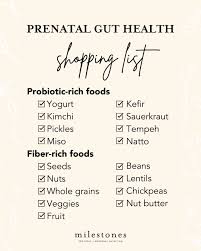
Making smart food choices is key during pregnancy. This list helps you stock your kitchen with nutritious foods. It covers everything from fresh produce to essential proteins and healthy snacks. Focus on variety and balance to support your baby’s development and your well-being. Avoid certain items and be aware of safe food handling.
Pregnancy Grocery Shopping: What to Focus On
Pregnancy is a time of incredible growth. Your body needs good fuel. This means choosing foods that offer key nutrients.
Think vitamins, minerals, and healthy fats. Your pregnancy grocery shopping list should reflect this. It’s not just about buying food.
It’s about buying the right food.
The goal is a balanced diet. This diet supports your baby’s brain and body development. It also helps you stay healthy and energetic.
Some foods are super important. Others are best avoided. We’ll cover both.
Think of your cart as a toolbox for health.
Your body is working hard. It needs things like folate, iron, calcium, and protein. These are building blocks.
They help your baby grow strong. They also help your body manage the changes of pregnancy.
So, what does this look like at the store? It means filling your cart with whole foods. It means picking fresh over processed.
It means looking at labels with a keen eye. This guide breaks it down for you. You’ll know what to look for in every aisle.
Your Pregnancy Grocery Shopping List: Essential Foods
Let’s break down your grocery list by section. This makes shopping easier. You can walk through the store with a plan.
Fresh Produce Section: Colors for Health
This is where you’ll find many powerhouse foods. Aim for a rainbow of colors. Different colors mean different vitamins and antioxidants.
Leafy Greens
- Spinach
- Kale
- Romaine Lettuce
- Swiss Chard
These are packed with folate. Folate is super important for preventing birth defects. They also have iron and calcium.
Brightly Colored Vegetables
- Sweet Potatoes (Vitamin A)
- Carrots (Vitamin A)
- Bell Peppers (Vitamin C)
- Broccoli (Fiber, Vitamin C, Folate)
- Tomatoes (Vitamin C, Lycopene)
- Asparagus (Folate, Vitamins A, C, K)
These vegetables offer a wide range of vitamins. Vitamin A is good for baby’s eyes and skin. Vitamin C helps your body absorb iron.
Fiber keeps you feeling full and aids digestion.
Fruits
- Berries (Blueberries, Strawberries, Raspberries – antioxidants, Vitamin C)
- Bananas (Potassium, Vitamin B6)
- Oranges and other citrus fruits (Vitamin C, Folate)
- Apples (Fiber)
- Avocado (Healthy fats, Folate, Potassium)
Fruits provide natural sweetness and essential nutrients. Berries are little antioxidant powerhouses. Bananas help with leg cramps.
Citrus fruits offer hydration and Vitamin C.
Produce Shopping Tip:
Wash Everything Well: Always wash fruits and vegetables thoroughly under cool running water. This is crucial to remove any lingering pesticides or bacteria. Even if you plan to peel it, wash it first.
Proteins: Building Blocks for Baby
Protein is vital for your baby’s growth. It helps build tissues and organs. It also helps your own body grow and change.
Lean Meats
- Chicken Breast (cooked thoroughly)
- Turkey Breast (cooked thoroughly)
- Lean Beef (cooked thoroughly)
These are excellent sources of protein and iron. Iron is key to preventing anemia, which is common in pregnancy.
Fish (Low-Mercury Options)
- Salmon (rich in Omega-3 fatty acids)
- Sardines
- Anchovies
- Trout
Omega-3s, especially DHA, are crucial for your baby’s brain and eye development. Choose fish low in mercury. Avoid large, predatory fish like shark, swordfish, king mackerel, and tilefish.
Eggs
Eggs are a complete protein. They also offer choline. Choline is important for baby’s brain development.
Make sure they are cooked until the yolk and white are firm.
Legumes and Beans
- Lentils
- Black Beans
- Kidney Beans
- Chickpeas
These are plant-based protein stars. They are also high in fiber and iron. They are a great option if you are vegetarian or want to add more plant foods.
Dairy and Fortified Alternatives
- Milk (pasteurized)
- Yogurt (pasteurized, especially Greek yogurt for extra protein)
- Cheese (hard cheeses like cheddar, Swiss; pasteurized soft cheeses like mozzarella)
- Fortified Soy Milk or Almond Milk (check for calcium and Vitamin D)
Calcium is essential for baby’s bone development. Vitamin D helps your body absorb calcium. Always choose pasteurized dairy products.
Protein Safety Note:
Cook Meats Thoroughly: Undercooked meats can contain harmful bacteria. Always ensure chicken, beef, and turkey are cooked to the proper internal temperature. For eggs, make sure both the yolk and white are solid.
Grains and Complex Carbohydrates: Energy Boost
These provide the energy you need to get through the day. Opt for whole grains whenever possible.
- Whole Wheat Bread and Pasta
- Brown Rice
- Oats (rolled oats, steel-cut oats)
- Quinoa
- Barley
Whole grains offer fiber. They also provide B vitamins and iron. These nutrients are important for energy levels and baby’s development.
They help prevent constipation too.
Healthy Fats: For Brain Health
Fats are not the enemy! Healthy fats are crucial for your baby’s brain and your own body.
- Avocado (mentioned in produce, but good to highlight here too)
- Nuts (almonds, walnuts, peanuts – unsalted)
- Seeds (chia seeds, flax seeds, sunflower seeds, pumpkin seeds)
- Olive Oil (extra virgin)
These provide essential fatty acids. Walnuts are great for Omega-3s. Seeds offer fiber, vitamins, and minerals.
Snack Smart Ideas:
Combine Food Groups: A great snack pairs protein or fat with a carbohydrate. Think apple slices with peanut butter. Or yogurt with berries and a sprinkle of nuts.
This keeps you fuller longer.
Hydration: Don’t Forget Fluids
Staying hydrated is incredibly important. Water is your best friend.
- Water
- Milk (pasteurized)
- Herbal Teas (pregnancy-safe ones, check with your doctor)
Aim for at least 8-10 glasses of water a day. It helps with digestion, prevents swelling, and supports amniotic fluid.
Foods to Limit or Avoid During Pregnancy
Just as important as what to eat is what to avoid. Some foods carry risks during pregnancy.
High-Mercury Fish
As mentioned before, avoid these: Shark, Swordfish, King Mackerel, Tilefish. These fish can have high levels of mercury. Mercury can harm your baby’s developing nervous system.
Raw or Undercooked Foods
- Raw Meat and Poultry: Risk of E. coli and Salmonella.
- Raw or Undercooked Eggs: Risk of Salmonella. This includes foods made with raw eggs like some mousses, homemade dressings, or certain baked goods where the egg isn’t fully cooked.
- Raw Seafood: Sushi (unless made with fully cooked seafood), sashimi, oysters, clams, mussels. Risk of Listeria, Salmonella, and other bacteria.
Foodborne illnesses can be more severe during pregnancy. They can affect both you and your baby.
Certain Cheeses
Avoid unpasteurized soft cheeses. Examples include Brie, Feta, Camembert, Blue-veined cheeses, and Mexican-style cheeses like Queso Fresco. These can harbor Listeria bacteria.
If a cheese label says “made with pasteurized milk,” it’s generally safe.
Unpasteurized Juices or Ciders
Like unpasteurized dairy, these can carry harmful bacteria.
Deli Meats and Hot Dogs
These should be heated until steaming hot before eating. They can be a source of Listeria. This is because they can get contaminated after cooking.
Excessive Caffeine
Limit caffeine intake to under 200 mg per day. This is about one 12-ounce cup of coffee. Too much caffeine may be linked to miscarriage or low birth weight.
Alcohol
There is no safe amount of alcohol during pregnancy. It can cause Fetal Alcohol Spectrum Disorders (FASDs). It’s best to avoid it completely.
Raw Sprouts
Alfalfa, clover, radish, and mung bean sprouts are tricky. They can harbor bacteria like E. coli and Salmonella.
Even if you wash them, the bacteria can be inside the seeds.
Listeria Awareness:
What is Listeria? Listeria is a germ that can cause a serious infection called listeriosis. Pregnant women are more susceptible. It can lead to miscarriage, stillbirth, or serious health problems for newborns.
It’s often found in raw milk products, deli meats, and unwashed produce.
My Personal Experience: The Grocery Store Panic
I remember my first pregnancy grocery trip like it was yesterday. I was maybe ten weeks along, feeling tired and nauseous. I stood in the dairy aisle, staring at rows of milk.
Was it pasteurized? Did it matter? Then I saw the cheeses.
Soft cheeses everywhere. My mind started racing. What if I accidentally picked something bad?
What if I hadn’t washed my apples enough?
I felt this wave of panic wash over me. Suddenly, the simple act of buying food felt like a minefield. I ended up just grabbing a few things I was absolutely sure about – bananas, plain yogurt, and whole wheat bread.
I left feeling defeated and hungry. That feeling of being overwhelmed and scared is something many expectant parents face. It took me a few more trips and some good advice to feel confident again.
The key I learned was to focus on knowledge and simple steps. I started making lists, checking labels religiously, and asking questions at the store. It wasn’t about being perfect.
It was about being informed and making the best choices I could. That anxiety slowly faded, replaced by a sense of control and confidence in feeding myself and my baby well.
Real-World Context: Making Smart Choices at Home
Life happens, and sometimes the “ideal” pregnancy diet is hard to stick to. Let’s talk about common scenarios and how to navigate them.
Scenario 1: The Busy Workday Lunch
You’re at work and forgot to pack lunch. The office cafeteria has a salad bar. What do you choose?
- Good Choices: Load up on leafy greens, grilled chicken (if clearly cooked), hard-boiled eggs, beans, and lots of veggies.
- Be Cautious: Avoid pre-made salads with creamy dressings that might have sat out. Be careful with raw sprouts.
- Tip: Bring your own dressing in a small container.
Scenario 2: Eating Out at a Restaurant
You’re craving something specific. How do you order safely?
- Ask Questions: Don’t be shy! Ask if cheeses are pasteurized. Ask how dishes are prepared.
- Stick to Cooked: Opt for well-cooked meats, poultry, and fish.
- Avoid: Undercooked burgers, raw oysters, sushi with raw fish.
- Deli Meats: Order sandwiches with deli meats heated thoroughly.
Scenario 3: Cravings and Indulgences
Everyone has cravings! How do you handle them?
- Moderation is Key: A small treat is usually fine. A single cookie or a small scoop of ice cream is unlikely to cause harm.
- Healthier Swaps: Craving something sweet? Try fruit. Craving something salty? Try air-popped popcorn.
- Know Your Limits: Be mindful of excessive sugar or saturated fats.
Food Safety First:
Wash Your Hands: Always wash your hands thoroughly with soap and water before and after handling food. This is a simple but powerful way to prevent germ spread.
What This Means for Your Grocery Shopping Habits
Understanding these points changes how you approach the grocery store.
Focus on Whole Foods
Your cart should be filled with items that look like they did when they grew. Think apples, not apple pie from a box. Think chicken breast, not chicken nuggets.
These foods are nutrient-dense.
Read Labels Carefully
Look for “pasteurized” on dairy and juice labels. Check ingredient lists for hidden sources of raw eggs or unpasteurized ingredients.
Plan Your Meals
Having a rough meal plan helps you buy only what you need. This reduces waste and makes cooking simpler. It also prevents last-minute unhealthy choices.
Storage Matters
Properly store raw meats in sealed containers at the bottom of your fridge. Wash produce as soon as you get home or just before using it. Keep your fridge at the right temperature (below 40°F or 4°C).
Storage Quick Tip:
Separate Raw Foods: Always store raw meat, poultry, and seafood separately from other foods in your refrigerator. Use dedicated containers or bags to prevent drips onto ready-to-eat items.
Quick Tips for Your Pregnancy Grocery Runs
Here are some actionable tips to make your shopping experience smoother and safer.
- Shop with a List: Always have a list. This saves time and prevents impulse buys of less healthy items.
- Don’t Shop Hungry: Shopping when you’re hungry can lead to grabbing less nutritious, impulse items.
- Look for Frozen Fruits and Veggies: Frozen produce is just as nutritious as fresh and can be a convenient option. Make sure they don’t have added sauces or sugars.
- Choose Lean Proteins: Opt for chicken breast, fish, beans, and eggs over processed meats.
- Prioritize Whole Grains: Select bread, pasta, and rice made from whole grains.
- Hydrate While Shopping: Bring a water bottle. If you feel tired, a few sips can help.
- Check Expiration Dates: Especially important for dairy, meats, and pre-packaged items.
- Wash Your Hands After Shopping: Before you start putting groceries away, wash your hands again.
Pregnancy Nutrition Fact:
Folic Acid is Crucial: Folic acid (or folate) helps prevent serious birth defects of the baby’s brain and spine. It’s recommended women of childbearing age consume 400 mcg daily. During pregnancy, this need increases.
Many leafy greens and fortified grains provide folate.
Frequently Asked Questions About Pregnancy Grocery Shopping
Is it safe to eat sushi during pregnancy?
Generally, it’s advised to avoid sushi made with raw fish due to the risk of bacteria and parasites. If you have a strong craving, opt for sushi rolls made with fully cooked seafood (like cooked shrimp or crab) or vegetarian options. Always ensure it’s from a reputable restaurant with high food safety standards.
Can I drink unpasteurized milk or juice?
No, it’s best to avoid unpasteurized (raw) milk and juices. These can contain harmful bacteria like Listeria, E. coli, and Salmonella, which can be dangerous during pregnancy.
Always choose products labeled “pasteurized.”
What about deli meats? Are they completely off-limits?
Deli meats, cold cuts, and hot dogs can carry Listeria. It’s recommended to heat them until they are steaming hot before eating. This kills any potential bacteria.
If you can’t heat them thoroughly, it’s safer to avoid them.
How much water should I drink daily while pregnant?
Aim for at least 8 to 10 glasses (about 2 to 2.5 liters) of water per day. Staying hydrated is important for many bodily functions, including digestion, preventing swelling, and supporting your baby’s development.
Are all cheeses safe to eat?
Most hard cheeses like cheddar, Swiss, and provolone are safe because they are made with pasteurized milk and have low moisture content. However, avoid soft cheeses made from unpasteurized milk, such as Brie, Feta, Camembert, Gorgonzola, and others unless the label clearly states they are made with pasteurized milk.
What are some good snack ideas for pregnancy?
Great pregnancy snacks include yogurt with berries, apple slices with peanut butter, a handful of unsalted nuts, hard-boiled eggs, or whole-grain crackers with cheese (if pasteurized). Combining protein or healthy fats with carbs helps keep you satisfied.
Why is iron so important during pregnancy?
Iron is vital for making hemoglobin, a protein in red blood cells that carries oxygen. During pregnancy, your blood volume increases significantly, and you need more iron to supply oxygen to your baby and prevent anemia. Lean meats, beans, and leafy greens are good sources.
Conclusion: Shopping with Confidence
Your pregnancy grocery shopping list is a tool. It helps you make informed choices. Focus on nutrient-rich whole foods.
Be mindful of what to avoid for safety. Every trip to the store is a chance to nourish yourself and your baby. You’ve got this!