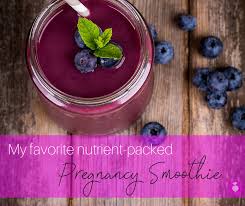
Pregnancy smoothie recipes should focus on nutrient-dense ingredients like fruits, vegetables, protein sources, and healthy fats. Prioritize items rich in folate, iron, calcium, and vitamin D. Always ensure ingredients are washed thoroughly and avoid raw or unpasteurized items.
Consulting with a healthcare provider for personalized dietary advice is recommended.
The Power of Pregnancy Smoothies
Pregnancy brings a lot of changes. Your body works hard to grow a new life. This means you need more vitamins and minerals than usual.
Sometimes, eating regular meals can be tough. Maybe you feel tired, or certain smells bother you. This is where a well-made smoothie can be a real lifesaver.
It’s a simple way to pack a lot of good things into one glass.
Think of it as a nutritional powerhouse. A good smoothie can give you energy. It can also help with common pregnancy discomforts.
It’s a flexible option. You can adjust it to your tastes and needs. You can also sneak in foods you might not normally eat.
What Makes a Smoothie “Pregnancy-Friendly”?
Not all smoothies are created equal. For pregnancy, we need to be smart about what goes in. We want to boost key nutrients.
These nutrients are super important for both you and your baby. We’re talking about things like folate, iron, calcium, and vitamin D.
These nutrients help build your baby’s brain and bones. They also help keep you healthy and strong. So, the ingredients we choose really matter.
We need to focus on fresh, safe, and nutrient-rich foods. This means choosing the right fruits, veggies, proteins, and healthy fats.
Key Nutrients for Pregnancy
Let’s dive a bit deeper into why these nutrients are so vital.
Folate (Folic Acid)
Folate is a B vitamin. It’s crucial in the early stages of pregnancy. It helps prevent serious birth defects.
These defects affect the baby’s brain and spine. Foods rich in folate include dark leafy greens and fortified cereals. Many prenatal vitamins also contain folic acid.
Iron
Iron is essential for making hemoglobin. Hemoglobin carries oxygen in your blood. During pregnancy, your blood volume increases a lot.
You need more iron to keep up. Low iron can lead to anemia. This can make you feel very tired.
Spinach and lean meats are good sources. Vitamin C helps your body absorb iron better.
Calcium
Calcium builds your baby’s strong bones and teeth. It also helps your own bones stay healthy. Dairy products are a common source.
But there are other options too. Leafy greens and fortified plant milks work well.
Vitamin D
Vitamin D works with calcium. It helps your body absorb calcium. This is important for bone health.
It also plays a role in immune function. Sunlight is a natural source. But it can also be found in fortified foods and fatty fish.
Protein
Protein is the building block for your baby’s cells. It’s also important for your body’s tissues. It helps with the growth of your baby.
It also supports your own body during pregnancy. Good sources include yogurt, milk, nuts, seeds, and lean meats.
Building Your Perfect Pregnancy Smoothie: The Base
Every great smoothie starts with a good base. This liquid carries all the other flavors and nutrients. For pregnancy, we want to choose wisely.
Dairy and Non-Dairy Milks
Whole Milk: This is a fantastic base. It offers protein, calcium, and vitamin D. It’s also a good source of calories for energy.
Yogurt (Plain, Greek): Plain Greek yogurt is a protein powerhouse. It also provides calcium and probiotics. Probiotics can be great for digestion, which is a common pregnancy concern.
Make sure it’s pasteurized. Almond Milk (Unsweetened): If you prefer a dairy-free option, unsweetened almond milk is a good choice. It’s low in calories.
Some brands are fortified with calcium and vitamin D. Soy Milk (Unsweetened, Fortified): Soy milk is a good plant-based protein source. Look for brands fortified with calcium and vitamin D.
Oat Milk (Unsweetened, Fortified): Another dairy-free option that can be fortified. Check labels for added vitamins and minerals.
Water or Coconut Water
Water: Simple and effective for thinning out thicker ingredients. It keeps you hydrated. Coconut Water: This is naturally hydrating.
It contains electrolytes like potassium. It can be a refreshing alternative to plain water.
Smoothie Base Guide
For Calcium & Protein: Whole milk, plain Greek yogurt, fortified soy milk. For Hydration & Electrolytes: Water, coconut water. For Dairy-Free Options: Unsweetened almond or oat milk (fortified is best).
Adding Fruits for Flavor and Nutrients
Fruits add natural sweetness. They also bring vitamins, minerals, and fiber. Fiber is super important for preventing constipation, a common pregnancy issue.
Berries (Blueberries, Strawberries, Raspberries)
These are antioxidant superstars. They are low in sugar compared to some other fruits. Blueberries are particularly high in vitamin C and antioxidants.
Strawberries offer folate and vitamin C. Raspberries are a good source of fiber.
Bananas
Bananas add creaminess and natural sweetness. They are a good source of potassium. Potassium helps regulate fluid balance and blood pressure.
They also provide some vitamin B6, which can help with nausea.
Mangoes and Papayas
These tropical fruits are delicious. Mangoes offer vitamins A and C. Papayas contain vitamin C and digestive enzymes.
Make sure papayas are ripe, as unripe ones can contain latex.
Avocado
Yes, avocado is a fruit! It adds incredible creaminess. It’s also packed with healthy monounsaturated fats.
These fats are good for your heart and help your baby’s brain development. It provides folate, potassium, and fiber too.
Apples and Pears
These are good sources of fiber. They offer a milder sweetness. They are easy to digest for many people.
Choose them for a lighter flavor profile.
Fruit Focus for Pregnancy
- Antioxidant Boost: Berries.
- Potassium & Creaminess: Bananas.
- Healthy Fats & Folate: Avocado.
- Fiber Power: Apples, pears.
Incorporating Vegetables for Extra Goodness
This is where many people hesitate. But adding veggies to smoothies is a game-changer. You often can’t even taste them, especially with the right fruit balance.
Spinach
This is the ultimate smoothie green. It’s mild in flavor. It’s loaded with iron, folate, vitamin K, and vitamin A.
You can add a large handful and barely notice it.
Kale
Kale is more nutrient-dense than spinach. It has a stronger flavor. Start with a small amount.
It’s packed with vitamins A, C, and K. It also offers calcium and antioxidants.
Cucumber
Cucumber adds hydration and a refreshing taste. It’s very mild. It’s a great way to add volume without many calories.
It can help with water retention.
Zucchini (Cooked and Frozen)
This might sound strange, but it’s brilliant. Cooked and frozen zucchini adds a creamy texture without flavor. It’s a fantastic way to add fiber and nutrients.
Carrots
Carrots add a touch of sweetness and beta-carotene. Beta-carotene converts to vitamin A in the body. Vitamin A is important for vision and immune health.
A small amount works well.
Veggie Power in Your Smoothie
Mildest Option: Spinach, cucumber. Nutrient-Dense Greens: Kale (start small). Hidden Creaminess: Cooked, frozen zucchini.
Sweetness & Vitamin A: Carrots.
Protein Boosters for Fullness and Baby’s Growth
Protein is crucial. It helps you feel full longer. It’s also essential for your baby’s development.
Aim for a good protein source in every smoothie.
Greek Yogurt
As mentioned, plain Greek yogurt is a top choice. It offers a significant protein punch. It’s also creamy and slightly tangy.
Protein Powder (Whey or Plant-Based)
Choose a high-quality protein powder. Look for one with minimal added sugars. Whey protein is derived from milk.
Plant-based options include pea, rice, or hemp protein. Ensure it’s safe for pregnancy. Some sources recommend avoiding certain types of protein powders.
Always check with your doctor.
Nuts and Seeds
Almonds, walnuts, chia seeds, flax seeds, and hemp seeds are excellent. They provide protein, healthy fats, and fiber. Chia and flax seeds are also good sources of omega-3 fatty acids, which are vital for brain development.
Nut Butters
Peanut butter, almond butter, or cashew butter add protein and healthy fats. They also add rich flavor. Choose natural versions without added sugars or oils.
Protein Sources to Consider
- Dairy Protein: Plain Greek yogurt.
- Plant Protein: Nuts, seeds, nut butters, plant-based protein powder (check labels).
- Omega-3s: Chia seeds, flax seeds, walnuts.
Healthy Fats for Baby’s Brain and Your Hormones
Fats are not the enemy! Healthy fats are vital for your baby’s brain and nervous system development. They also help your body absorb certain vitamins.
Avocado
Again, avocado shines here. Its healthy monounsaturated fats are excellent. It makes smoothies incredibly smooth and satisfying.
Nuts and Seeds
Almonds, walnuts, chia seeds, and flax seeds are great. Walnuts are particularly noted for omega-3s. Chia and flax seeds offer fiber and omega-3s too.
Nut Butters
Natural peanut butter or almond butter provide healthy fats. They are also calorie-dense, offering sustained energy.
Fat Focus for Development
Creamy & Rich: Avocado, natural nut butters. Omega-3 Powerhouses: Walnuts, chia seeds, flax seeds.
Optional Add-ins for Extra Benefits
Once you have the basics, you can enhance your smoothie further.
Oats
Rolled oats add fiber and make the smoothie more filling. They provide complex carbohydrates for sustained energy. Start with a small amount so they don’t make the smoothie too thick.
Spices (Cinnamon, Ginger)
Cinnamon adds warmth and can help regulate blood sugar. Ginger is well-known for its ability to ease nausea. Use fresh ginger for a stronger kick.
Cacao Powder (Unsweetened)
For chocolate lovers, unsweetened cacao powder provides antioxidants. It has minerals like magnesium. Use it sparingly if you are sensitive to caffeine.
Sweeteners (Use Sparingly)
If you need a little extra sweetness, opt for natural sources. A small amount of honey or maple syrup can work. However, try to rely on the fruits for sweetness first.
Safety First: What to Avoid in Pregnancy Smoothies
This is incredibly important. Some ingredients are not safe during pregnancy. Always double-check.
Raw Eggs
Raw eggs can carry salmonella. Avoid anything with raw eggs, including some homemade protein shakes or certain dessert-like smoothies. Always use pasteurized eggs if a recipe calls for them (though it’s best to avoid them altogether in smoothies).
Unpasteurized Dairy or Juices
Make sure all dairy products (milk, yogurt) are pasteurized. Some juices can also be unpasteurized. These can harbor harmful bacteria.
Excessive Caffeine
While a small amount of caffeine might be okay, most smoothies don’t need it. Be mindful of any protein powders or additions that might contain caffeine.
Herbal Teas or Supplements without Doctor Approval
Some herbs are not safe during pregnancy. Never add herbal teas or supplements to your smoothie without discussing it with your healthcare provider first. Many popular “detox” or “wellness” supplements are not recommended.
High Mercury Fish
While not common in smoothies, avoid adding fish oil supplements that might be contaminated with high levels of mercury. Stick to plant-based omega-3s or doctor-approved fish oil.
Pregnancy Smoothie Safety Checklist
- Avoid: Raw eggs, unpasteurized dairy/juices, excessive caffeine, unapproved herbs/supplements.
- Always: Use pasteurized ingredients.
- Consult: Your doctor about any supplements or unusual ingredients.
Putting It All Together: Sample Pregnancy Smoothie Recipes
Here are a few ideas to get you started. Remember, these are just suggestions. Feel free to adjust them to your liking!
Recipe 1: The Green Powerhouse
Base: 1 cup unsweetened almond milk
Greens: 1 large handful fresh spinach
Fruit: 1/2 banana, 1/2 cup frozen mango chunks
Protein: 1/2 cup plain Greek yogurt OR 1 scoop pregnancy-safe protein powder
Fat: 1 tablespoon chia seeds
Optional: Small piece of fresh ginger for nausea relief
Recipe 2: Berry Calcium Boost
Base: 1 cup whole milk OR fortified soy milk
Fruit: 1 cup mixed frozen berries (strawberries, blueberries)
Protein: 1/2 cup plain yogurt
Fat: 1 tablespoon almond butter
Add-in: 1/4 cup rolled oats
Optional: Sprinkle of cinnamon
Recipe 3: Creamy Avocado Delight
Base: 1 cup water or coconut water
Fruit: 1/2 banana, 1/4 avocado
Greens: 1/2 handful kale (remove tough stems)
Protein: 2 tablespoons hemp seeds
Fat: (already in avocado)
Optional: Squeeze of lime juice for freshness
Recipe 4: Tropical Sunrise Smoothie
Base: 1 cup unsweetened coconut milk
Fruit: 1 cup frozen pineapple chunks, 1/2 cup frozen papaya
Protein: 1 scoop vanilla plant-based protein powder
Fat: 1 tablespoon shredded unsweetened coconut
Optional: Turmeric for anti-inflammatory properties (use a tiny pinch)
Personal Experience: The Morning Sickness Saver
I remember my first trimester vividly. Everything seemed to smell wrong. Eating anything felt like a chore.
My doctor suggested smoothies. Honestly, I was skeptical. I figured it would just make me feel worse.
But I was desperate for some kind of nourishment.
One morning, feeling completely nauseous, I grabbed some frozen berries, a banana, a scoop of plain Greek yogurt, and some almond milk. I remember the quiet hum of the blender being the only thing I could handle. The first sip was surprisingly good.
It was cool and not too sweet. The berries masked the yogurt, and the banana made it smooth. I managed to drink the whole thing.
It was the first thing that stayed down all day. It gave me a little bit of energy. That’s when I realized how valuable these simple drinks could be.
It wasn’t just food; it was a lifeline. I started making them daily, experimenting with different fruits and a bit of spinach. It truly helped me get through a very difficult phase.
Real-World Context: When Smoothies Fit Best
Smoothies aren’t just for breakfast. They fit into a pregnant person’s life in many ways.
Morning Sickness Relief
As I mentioned, cool, bland smoothies can be easier to tolerate than solid foods when you’re feeling sick. They offer hydration and a small nutrient boost without overwhelming your stomach.
Quick and Easy Nutrition
On busy days, when you don’t have time for a full meal, a smoothie is perfect. It takes minutes to prepare and drink. It ensures you’re still getting essential nutrients.
Appetite Loss
When your appetite decreases, especially in the second and third trimesters when the baby takes up more space, smoothies can be a way to consume more calories and nutrients easily.
Post-Workout or Energy Boost
If you’re exercising during pregnancy, a smoothie can be a great recovery drink or an energy pick-me-up in the afternoon.
Smoothie Scenarios
- Morning Sickness: Cold, simple ingredients like berries, banana, yogurt.
- Busy Days: Pre-portion ingredients in bags for quick blending.
- Low Appetite: Focus on calorie and nutrient-dense additions like nuts, seeds, avocado.
What This Means For You: Listening to Your Body
The most important thing is to listen to your body. What sounds good one day might not the next. Your taste buds and tolerance can change throughout pregnancy.
When it’s Normal to Crave or Avoid Certain Things
It’s totally normal to suddenly love broccoli but hate chicken. Or to crave spicy food one week and bland food the next. Your body is guiding you.
If a certain fruit or vegetable sounds appealing and safe, go for it!
When to Worry
If you’re consistently unable to keep any food down, or if your smoothies are consistently tasting “off” or making you feel unwell, it’s time to talk to your doctor. Dehydration and malnutrition are serious concerns.
Simple Checks
Always wash fresh produce thoroughly. Ensure all dairy products are pasteurized. Be cautious with new supplements or unusual ingredients.
When in doubt, ask your healthcare provider.
Quick Tips for Smoother Smoothies
Here are some easy ways to make your smoothie experience even better.
Prep Ahead
Wash and chop fruits and veggies. Portion them into freezer bags. You can grab a bag, toss it in the blender with your liquid and protein, and go!
Frozen is Your Friend
Using frozen fruits and vegetables (like bananas, berries, spinach, zucchini) makes smoothies cold and thick without needing ice. Ice can dilute the flavor.
Invest in a Good Blender
A decent blender makes a world of difference. It can handle frozen ingredients and leafy greens, ensuring a smooth texture.
Start Simple
Don’t feel pressured to add every superfood. Begin with a few ingredients you know you like. Gradually add more as you get comfortable.
Smoothie Success Tips
- Easy Prep: Freezer portion packs.
- Texture: Use frozen fruits and veggies.
- Equipment: A good blender helps a lot.
- Simplicity: Start with a few favorite ingredients.
Frequently Asked Questions About Pregnancy Smoothies
Are all fruits safe in pregnancy smoothies?
Generally, yes, most fruits are safe and beneficial. Focus on washing them thoroughly. Stick to whole fruits rather than concentrated juices to get the fiber.
Be mindful of high-sugar fruits if you have gestational diabetes.
Can I add protein powder to my pregnancy smoothie?
Yes, you can, but choose wisely. Look for protein powders specifically marketed as safe for pregnancy or approved by your doctor. Avoid those with excessive additives or unknown ingredients.
Whey and plant-based options like pea or rice protein are often good choices. Always check the label and consult your healthcare provider.
How much caffeine is okay in a pregnancy smoothie?
Current guidelines suggest limiting caffeine intake to about 200 mg per day. Most smoothies don’t naturally contain caffeine unless you add ingredients like certain teas, cacao powder, or specific protein powders. Be aware of these potential sources.
Is it safe to add raw vegetables to my pregnancy smoothie?
Yes, it is generally safe to add raw vegetables like spinach, kale, cucumber, and carrots, as long as they are thoroughly washed. Cooking vegetables like zucchini and then freezing them also works well for texture and is safe.
My doctor recommended I increase my iron intake. How can smoothies help?
Spinach and kale are excellent sources of iron. Pairing them with vitamin C-rich fruits like strawberries or oranges in your smoothie can help your body absorb the iron more effectively. Some prenatal vitamins can also be mixed into smoothies, but always ask your doctor first.
What about using raw honey in my pregnancy smoothie?
It’s generally recommended to avoid raw, unpasteurized honey during pregnancy due to the slight risk of botulism. Opt for pasteurized honey or other sweeteners like maple syrup if needed. Most fruits provide enough natural sweetness.
Conclusion: Your Nourishing Journey
Pregnancy is a time of incredible growth and change. Smart nutrition makes a big difference. Pregnancy smoothies are a simple, effective way to get vital nutrients.
They can help manage common pregnancy discomforts too. Experiment with ingredients you enjoy. Always prioritize safety and consult your doctor.
You’ve got this!