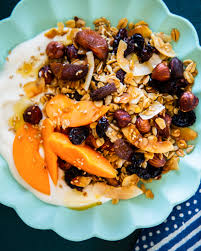
High-protein breakfasts during pregnancy offer sustained energy, support fetal development, and aid maternal tissue growth. They help manage blood sugar levels, reducing fatigue and nausea, and are crucial for building essential proteins for both mother and baby. Including these foods ensures a healthy start to the day.
Why Protein Matters So Much for Moms-to-Be
Pregnancy is a time of big changes. Your body is doing amazing work. It’s building a whole new person.
Protein is like the building blocks for this. It helps create your baby’s organs, muscles, and bones. It also helps your own body grow and change.
Your breasts and uterus need protein. Your blood volume increases too. Protein helps with all of that.
Think of it like building a house. You need strong bricks and good cement. Protein is that strong material.
If you don’t get enough protein, your body can’t build as well. This can affect your baby’s growth. It can also make you feel more tired.
It can even make you feel sick longer.
Doctors often say pregnant women need more protein. The amount can change as your pregnancy goes on. But it’s always important.
Aiming for protein at every meal helps a lot. Breakfast is a perfect place to start.
Eating protein in the morning does more than just build things. It helps keep your energy steady. It stops your blood sugar from dropping too fast.
This means fewer energy crashes. It can also help with morning sickness for some women. When your stomach is empty for too long, you might feel more nauseous.
Protein helps keep your stomach feeling full longer.
So, when you think about breakfast, think protein. It’s not just about feeling full. It’s about giving your body the best tools to support your pregnancy journey.
It’s a simple step that makes a big difference.
My Own Breakfast Wake-Up Call
I remember my first pregnancy very clearly. I was always so tired. Mornings were the worst.
I used to grab a piece of toast with jam. Or maybe just some sugary cereal. I thought that was enough to start my day.
But I’d feel drained by 10 AM. I’d get that shaky feeling. Sometimes I’d feel a wave of nausea wash over me.
One morning, I was running late. I didn’t have time for my usual toast. I quickly scrambled two eggs.
I threw in some leftover spinach. I ate it standing by the counter. It was fast.
It tasted good. But what I noticed was different. I didn’t feel that mid-morning slump.
I felt clear-headed and ready to go. It was a small thing, but it was a huge realization.
That simple egg breakfast was packed with protein. It changed how I felt that whole day. It made me rethink my entire breakfast routine.
I learned that what you eat first thing sets the tone. It’s not just about taste. It’s about fuel.
It’s about supporting your body’s incredible work.
Since then, I’ve made protein my breakfast priority. It’s not always fancy. Sometimes it’s just Greek yogurt with berries.
Other times it’s a quick smoothie with protein powder. But that consistent protein intake makes a world of difference. It’s a lesson I’ve shared with many friends.
They often come back saying, “Wow, that really helped!”
Breakfast Protein Power-Ups: Quick Ideas
Eggs: Scrambled, boiled, or poached. Add veggies for extra nutrients.
Greek Yogurt: High in protein. Choose plain to avoid added sugar.
Cottage Cheese: Another protein-rich dairy option. Can be sweet or savory.
Lean Meats: Small amounts of turkey sausage or ham can work.
Nuts & Seeds: A great topping for yogurt or oatmeal. Almonds, walnuts, chia seeds.
Protein Powder: Add to smoothies for an easy boost.
What Does “High Protein” Actually Mean for Breakfast?
When we talk about high protein for pregnancy breakfast, we mean making sure you get a good serving. It’s not just a tiny bit. It’s a significant part of your meal.
A good goal is to aim for at least 15-20 grams of protein per breakfast. Some days you might get more. That’s great!
What kind of protein should you look for? There are two main types. Animal sources and plant sources.
Both are good. Animal sources often have all the essential amino acids. Think eggs, dairy, chicken, and fish.
Plant sources are also wonderful. Beans, lentils, tofu, nuts, and seeds are excellent choices.
Variety is key. Eating the same thing every day can get boring. Plus, different foods offer different nutrients.
So, mix it up. One day you might have eggs. The next day, maybe yogurt.
Then, try a smoothie or some oatmeal with nuts.
It’s also about what you combine with your protein. A plain bagel has almost no protein. But if you top it with cream cheese and smoked salmon, you’ve added protein.
It’s about building a balanced meal. Your protein source should be the star. Then you can add healthy carbs and fats.
Don’t forget about healthy fats and complex carbohydrates. They give you energy too. Whole-grain toast, fruits, and vegetables are great additions.
They provide fiber and vitamins. They help you feel full and satisfied.
So, a high-protein breakfast isn’t just about the protein itself. It’s about creating a complete meal. A meal that nourishes you.
A meal that keeps you going. A meal that supports your pregnancy. It’s about making smart, simple choices every morning.
Simple & Satisfying High-Protein Breakfast Recipes
Let’s get to the good stuff: actual recipes! These are designed to be easy. They use common ingredients.
And they pack a protein punch. No complicated steps here. Just simple, delicious food.
1. Power Scramble with Veggies
This is my go-to when I need something fast and filling. You can change the veggies based on what you have.
What you need:
- 2 large eggs
- 1/4 cup milk (any kind)
- 1/4 cup chopped spinach or kale
- 2 tablespoons chopped bell pepper or onion
- Salt and pepper to taste
- Optional: 1 tablespoon cheese (cheddar, feta)
How to make it:
- Whisk eggs, milk, salt, and pepper in a bowl.
- Heat a non-stick skillet over medium heat. Add a tiny bit of oil or butter.
- Add the chopped bell pepper or onion. Cook for 2-3 minutes until slightly soft.
- Add the spinach or kale. Cook for 1 minute until wilted.
- Pour the egg mixture over the veggies.
- Cook, stirring gently, until eggs are set.
- If using cheese, sprinkle it on top in the last minute of cooking.
This scramble usually has about 15-20 grams of protein. It’s easy to customize. Add mushrooms, tomatoes, or even a bit of pre-cooked chicken sausage.
Serve with a slice of whole-grain toast. Or just eat it as is!
2. Greek Yogurt Parfait Power Bowl
This is so easy. It requires no cooking. Just assembly!
It’s great for busy mornings. Or when you just don’t feel like cooking.
What you need:
- 1 cup plain Greek yogurt (full-fat or 2%)
- 1/4 cup berries (fresh or frozen)
- 2 tablespoons chopped nuts (almonds, walnuts, pecans)
- 1 tablespoon seeds (chia seeds, flax seeds, pumpkin seeds)
- Optional: A drizzle of honey or maple syrup
How to make it:
- Spoon the Greek yogurt into a bowl.
- Top with berries.
- Sprinkle the nuts and seeds over the top.
- Add a little honey if you like it sweeter.
A cup of Greek yogurt alone has about 20-23 grams of protein. Adding nuts and seeds gives you even more. Plus healthy fats and fiber.
This bowl is a complete, satisfying meal. It’s also beautiful and feels like a treat.
3. Oatmeal with a Protein Boost
Oatmeal is a fantastic source of fiber. But on its own, it’s not very high in protein. We can fix that easily!
What you need:
- 1/2 cup rolled oats (not instant)
- 1 cup water or milk (dairy or non-dairy)
- 1 scoop protein powder (whey, pea, or your favorite)
- 1 tablespoon nut butter (peanut, almond)
- Optional: Sliced banana or berries
How to make it:
- Cook the oats according to package directions using water or milk.
- Once cooked, remove from heat.
- Stir in the protein powder until well combined. It might be a little thick. Add a splash more milk if needed.
- Stir in the nut butter.
- Top with fruit if desired.
Adding a scoop of protein powder can add 20-25 grams of protein easily. The nut butter adds more protein and healthy fats. This breakfast keeps you full for hours.
It’s also warm and comforting on a cool morning.
4. Cottage Cheese with Fruit and Nuts
Cottage cheese gets a bad rap sometimes. But it’s a protein powerhouse! It’s super versatile too.
What you need:
- 1 cup cottage cheese (full-fat or low-fat)
- 1/2 cup chopped fruit (peaches, pineapple, berries)
- 2 tablespoons chopped nuts or seeds
How to make it:
- Spoon cottage cheese into a bowl.
- Top with fruit.
- Sprinkle nuts or seeds on top.
One cup of cottage cheese has around 25 grams of protein. It’s a complete meal with the fruit and nuts. You can even make it savory.
Add a sprinkle of black pepper and some chives. Or some sliced tomatoes. It’s a quick and easy option.
Protein Content Sneak Peek
Greek Yogurt: ~20-23g per cup
Eggs: ~6g per large egg
Cottage Cheese: ~25g per cup
Protein Powder: ~20-25g per scoop (varies by brand)
Almonds: ~6g per ounce (about 23 almonds)
Beyond the Basics: Creative Pregnancy Breakfasts
Once you get comfortable with the basics, you can get a little more creative. These ideas take a bit more effort. But they are still manageable.
And they offer delicious variety.
Breakfast Quesadillas
Think savory breakfast. This is easy to hold and eat. You can pack a lot of good stuff into it.
What you need:
- 2 small whole-wheat tortillas
- 1/2 cup shredded cheese (cheddar, Monterey Jack)
- 1/4 cup scrambled eggs (from a separate scramble)
- 2 tablespoons black beans, rinsed
- Optional: Salsa, avocado slices
How to make it:
- Warm a skillet over medium heat.
- Place one tortilla in the skillet.
- Layer half the cheese, the scrambled eggs, black beans, and the other half of the cheese on one side of the tortilla.
- Fold the other half of the tortilla over the filling.
- Cook for 2-3 minutes per side, until golden brown and cheese is melted.
- Repeat with the second tortilla.
This breakfast offers protein from the cheese, eggs, and beans. The whole-wheat tortilla provides fiber. Serve with a side of salsa or avocado for healthy fats.
It’s a hearty and satisfying meal.
Protein Pancakes or Waffles
Who doesn’t love pancakes? You can make them healthier and more protein-rich.
What you need:
- 1 cup whole-wheat flour or oat flour
- 1 scoop protein powder
- 1 teaspoon baking powder
- 1/2 teaspoon salt
- 1 large egg
- 1 cup milk (dairy or non-dairy)
- 2 tablespoons melted butter or oil
- Optional: Fruit, nuts for topping
How to make it:
- In a large bowl, whisk together the flour, protein powder, baking powder, and salt.
- In a separate bowl, whisk the egg, milk, and melted butter/oil.
- Pour the wet ingredients into the dry ingredients. Mix until just combined. Don’t overmix.
- Heat a lightly greased griddle or waffle maker.
- Pour batter onto the griddle or into the waffle maker. Cook until golden brown.
These protein pancakes or waffles are a great way to enjoy a weekend treat. The protein powder boost adds significant protein. Top with berries, a dollop of Greek yogurt, or a sprinkle of nuts.
It feels indulgent but is still good for you.
Smoked Salmon & Cream Cheese on Whole Wheat Toast
This is a classic for a reason. It’s quick, delicious, and packed with nutrients.
What you need:
- 2 slices of whole-wheat bread
- 2 tablespoons cream cheese
- 2-3 ounces smoked salmon
- Optional: Capers, red onion slices, dill
How to make it:
- Toast the whole-wheat bread.
- Spread cream cheese evenly on each slice.
- Layer the smoked salmon on top of the cream cheese.
- Add any optional toppings you like.
Smoked salmon is a great source of omega-3 fatty acids and protein. Cream cheese adds a little protein and fat. The whole-wheat toast provides fiber.
This breakfast is elegant and quick. It’s a good option when you want something a little different.
Balancing Your Breakfast Plate
Protein: The star of the show. Essential for baby’s growth and your energy.
Complex Carbs: Whole grains, fruits, and vegetables. Provide sustained energy and fiber.
Healthy Fats: Avocado, nuts, seeds, olive oil. Important for baby’s brain development and your satiety.
Vitamins & Minerals: Found in fruits, veggies, and dairy. Support overall health.
Real-World Scenarios: Making it Work Every Day
Life with pregnancy can be unpredictable. Some days you feel great. Other days, exhaustion takes over.
How do you make sure you’re getting enough protein even when things are tough?
The “Too Tired to Even Think” Morning
This happens to the best of us. You wake up and just want to go back to sleep. Cooking feels impossible.
What then?
- Grab-and-Go Options: Keep hard-boiled eggs in the fridge. Have single-serving Greek yogurts or cottage cheese cups ready. A small handful of almonds or walnuts is also a good choice. Protein bars can work in a pinch, but check the sugar content carefully. Look for bars with simple ingredients and at least 10-15 grams of protein.
- Smoothie Prep: The night before, portion out your smoothie ingredients into a blender cup. Just add liquid and blend in the morning. Frozen fruit, spinach, protein powder, and milk or water. It takes less than two minutes.
The key here is preparation. When you have energy, do a little prep work. It pays off big time when you don’t.
The “Nausea is Back” Situation
Morning sickness can make food unappealing. Especially protein-rich foods that might have strong smells. What can you do?
- Bland is Better: Stick to very simple, bland protein sources. Plain Greek yogurt, cottage cheese, or a very plain scramble with just salt and pepper. Avoid strong spices or cooking smells if they trigger nausea.
- Smaller, More Frequent Meals: If a large breakfast is too much, try a smaller protein-rich snack. A few bites of cottage cheese, a hard-boiled egg, or a small handful of nuts every hour or two can help keep nausea at bay.
- Hydration is Key: Sometimes nausea is worsened by dehydration. Sip water or clear broths throughout the morning.
Listen to your body. What sounds even remotely appealing? Even a small amount of protein is better than none.
Talk to your doctor if nausea is severe. They can offer more advice.
The “Craving Something Sweet” Challenge
Pregnancy can bring on cravings. Sometimes it’s sugar. How do you satisfy a sweet tooth with protein?
- Fruit with Protein: Combine your sweet cravings with protein. Berries with Greek yogurt. A baked apple with a sprinkle of nuts and a touch of cinnamon. A smoothie with fruit and protein powder.
- Protein Pancakes/Waffles: As mentioned before, these can be a great way to enjoy a sweet breakfast while getting protein. Top with fruit instead of syrup for natural sweetness.
- Sweet Cottage Cheese: Mix cottage cheese with a little fruit and a tiny bit of honey or maple syrup. It tastes like a dessert but is packed with protein.
It’s about finding that balance. Satisfying the craving while still getting the nutrition you need. It’s not about being perfect.
It’s about making smart choices most of the time.
When to Call the Doctor
Severe Nausea/Vomiting: If you can’t keep any food down.
Concerns about Baby’s Growth: If your doctor expresses worries.
Dietary Restrictions: If you have allergies or specific needs.
Sudden Weight Loss: If it’s not related to morning sickness.
What This Means for Your Pregnancy Journey
Understanding the importance of protein is the first step. Making it a part of your breakfast routine is the next. It’s about feeling better.
It’s about giving your baby the best start. It’s about taking care of yourself during this amazing time.
When it’s normal: It’s normal to have days where you eat more or less protein. It’s normal for cravings to come and go. The goal is consistency over time, not perfection every single day.
When to worry: If you are consistently struggling to eat enough protein, or any food group, for more than a few days. If you feel excessively weak or dizzy. If your doctor expresses concerns about your weight gain or baby’s growth.
Simple checks: Take a look at your breakfast plate. Does it have a good protein source? Is it balanced with other healthy foods?
If you answer yes most days, you’re doing great!
Making these simple changes can have a big impact. It’s not about drastic diets. It’s about smart, achievable nutrition.
Especially for something as important as your morning meal.
Quick Tips for Protein-Packed Mornings
Here are some actionable tips to help you boost your breakfast protein intake:
- Add an Egg: Simply add an extra egg to your scrambled eggs or omelet. Or have a hard-boiled egg on the side with your toast.
- Swap Your Milk: Use milk (dairy or soy) instead of water to cook your oatmeal or make a smoothie.
- Nut Butter Power: Spread peanut butter or almond butter on toast, rice cakes, or fruit.
- Seeds are Your Friend: Sprinkle chia seeds, flax seeds, or hemp seeds onto yogurt, oatmeal, or cereal.
- Choose Greek Yogurt: Always opt for Greek yogurt over regular yogurt. It has nearly double the protein.
- Portion Control for Nuts: Keep nuts in small baggies so you don’t overdo it, but still get that protein and healthy fat boost.
- Look for Protein-Rich Cereals: Some cereals are fortified with protein. Always check the nutrition label.
- Make Mini Frittatas: Bake mini frittatas in muffin tins on the weekend. They are easy to grab and reheat.
These small adjustments can add up significantly over the week. They are easy to implement without a lot of extra effort.
Frequently Asked Questions About Pregnancy Breakfasts
Is it okay to eat just eggs for breakfast when pregnant?
Yes, eggs are a fantastic source of protein and nutrients for pregnancy. A breakfast of just eggs is perfectly fine, especially if you add some vegetables. For a more balanced meal, you could pair them with a slice of whole-grain toast or some fruit.
Can I have protein shakes during pregnancy?
Generally, yes, protein shakes are safe for most pregnant women. Look for shakes made with high-quality protein sources like whey or plant-based proteins. Be mindful of added sugars and artificial ingredients.
Always check with your healthcare provider before adding new supplements to your diet.
What if I don’t like cottage cheese or Greek yogurt?
There are many other protein options! Try scrambled eggs, tofu scrambles, smoked salmon, lean turkey sausage, or nut butter on toast. Combining foods also helps; for instance, adding nuts and seeds to oatmeal or milk to your cereal can boost protein content.
How much protein do I need per day when pregnant?
The recommended daily protein intake during pregnancy is about 70-100 grams. This can vary based on your individual needs and stage of pregnancy. Aiming for protein at breakfast is a great way to start meeting your daily goals.
Are all protein sources safe during pregnancy?
Most protein sources are safe. However, be cautious with certain fish due to mercury levels. Ensure all meats, poultry, and eggs are fully cooked to avoid foodborne illnesses.
For vegetarian options, ensure they are well-prepared and balanced.
Can I use protein powder in my morning coffee?
Yes, some people add protein powder to their coffee. It might slightly alter the taste and texture. Ensure the protein powder is safe for pregnancy and consider if the caffeine from coffee is appropriate for you.
Stirring it well is key to avoid clumps.
Final Thoughts on a Nourishing Start
Starting your day with a protein-rich breakfast during pregnancy is a game-changer. It’s not just about checking a box. It’s about feeling more energetic, supporting your baby’s growth, and easing some of the discomforts of pregnancy.
These simple ideas and tips are here to make it easier for you. Remember to be kind to yourself. Some days are easier than others.
Focus on making good choices most of the time. Your body and your baby will thank you.