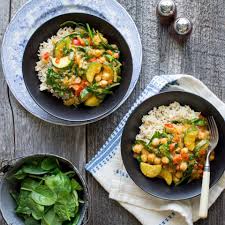
You’re expecting! That’s wonderful news. But along with the joy comes a whole new set of considerations. One of the biggest? What to eat, especially for dinner. You’re probably tired, maybe a little queasy, and just want something simple, nutritious, and safe for you and your baby. Finding the right dinner recipes can feel like another chore on an already full plate.
This guide is here to help. We’ll walk through easy pregnancy dinner recipes that are packed with nutrients. We’ll focus on meals that are quick to make. You’ll learn what foods are best during pregnancy. We’ll cover simple swaps for picky eaters. Plus, we’ll share ideas for different trimesters. Let’s make mealtime a little less stressful and a lot more delicious.
Easy pregnancy dinner recipes focus on simple preparation, nutrient density, and food safety. They often include lean proteins, whole grains, and plenty of fruits and vegetables. The goal is to provide essential vitamins and minerals for both mother and baby without requiring extensive cooking time or complex ingredients.
Understanding Pregnancy Nutrition Basics
Pregnancy is a time of amazing change. Your body is building a whole new life. This means you need more of certain nutrients. But it doesn’t mean you have to eat for two in terms of sheer quantity. It’s about quality. Think of it as fueling a marathon runner. Every bite counts.
Key nutrients for pregnancy include folate, iron, calcium, vitamin D, and omega-3 fatty acids. Folate helps prevent neural tube defects. Iron is crucial for carrying oxygen to your baby. Calcium and vitamin D build strong bones. Omega-3s support brain and eye development. These are found in a variety of wholesome foods.
You might also experience food aversions or cravings. That’s totally normal. Sometimes familiar foods suddenly seem unappetizing. Other times, you might crave something unusual. Listening to your body is important. But it’s also wise to steer cravings towards healthier options when possible. We’ll help you find easy ways to get these nutrients into your meals.
My Own Pregnancy Dinner Saga
I remember my first pregnancy vividly. The fatigue was unlike anything I’d ever felt. By 5 PM, my brain felt foggy. The thought of chopping vegetables or standing over a hot stove for an hour was exhausting. I lived on toast and cereal for what felt like weeks. My doctor gently reminded me that my growing baby needed more.
One evening, I was staring into the fridge, completely uninspired. I saw some pre-cooked chicken breast, a can of black beans, and a bag of pre-washed spinach. A light bulb went off. I heated the chicken, rinsed the beans, and tossed them with the spinach. A squeeze of lime and a dash of salsa later, I had a surprisingly satisfying and healthy meal. It took maybe ten minutes. That was the start of my journey into finding truly easy pregnancy dinner recipes. It showed me that nutritious food didn’t have to be complicated.
Quick Pregnancy Dinner Wins
- Sheet Pan Meals: Toss veggies and protein on a pan. Bake. Easy cleanup.
- One-Pot Pastas: Cook pasta and sauce together. Fewer dishes.
- Stir-Fries: Use pre-cut veggies. Add lean protein. Quick sauce.
- Loaded Sweet Potatoes: Bake sweet potatoes. Top with beans, cheese, or chicken.
Essential Food Safety During Pregnancy
Food safety is non-negotiable when you’re pregnant. Your immune system is slightly different. Certain bacteria and viruses can be more harmful to you and your baby. This means being extra careful about what you eat and how it’s prepared.
Some common food safety rules to remember include:
Cook food thoroughly: Make sure meats, poultry, and eggs are cooked all the way through. Use a food thermometer.
Avoid raw or undercooked foods: This includes sushi, raw sprouts, and unpasteurized dairy products.
Wash produce well: Rinse all fruits and vegetables under running water.
Be careful with deli meats: Heat deli meats until steaming hot before eating. This helps kill listeria.
Avoid certain fish: Limit high-mercury fish like shark, swordfish, king mackerel, and tilefish. Opt for low-mercury options like salmon, shrimp, and canned light tuna.
These guidelines might seem daunting at first. But once you get used to them, they become second nature. They are vital for keeping your pregnancy healthy and safe. We’ll make sure our easy pregnancy dinner recipes follow these rules.
Easy Pregnancy Dinner Recipes: Trimester by Trimester
Your pregnancy journey has distinct phases. Each trimester brings its own set of challenges and needs. Here are some recipe ideas tailored for each stage.
First Trimester: Easing Nausea and Fatigue
The first trimester is often about managing nausea and intense tiredness. Simple, bland foods can be your friend. Focus on getting enough hydration and easily digestible nutrients.
Recipe Idea: Simple Lemon Herb Baked Chicken with Roasted Sweet Potatoes
This is incredibly easy. Preheat your oven to 400°F (200°C).
1. Chicken: Place chicken breasts or thighs on a baking sheet. Drizzle with olive oil. Sprinkle with salt, pepper, dried herbs (like rosemary or thyme), and a squeeze of lemon juice.
2. Sweet Potatoes: Cut sweet potatoes into cubes. Toss with a little olive oil, cinnamon, and a pinch of salt on the same baking sheet.
3. Bake: Cook for 20-25 minutes, or until chicken is cooked through and sweet potatoes are tender.
This meal provides lean protein, complex carbs, and vitamins. It’s easy on the stomach and uses minimal effort.
Recipe Idea: Creamy Tomato Soup with Grilled Cheese Dippers
Comfort food can be a lifesaver. Use a good quality canned tomato soup (check for low sodium).
1. Soup: Heat the soup. You can add a splash of milk or cream to make it richer.
2. Grilled Cheese: Make a simple grilled cheese sandwich on whole-wheat bread with a safe cheese like cheddar or mozzarella.
3. Dippers: Cut the sandwich into strips for easy dipping.
This is warm, filling, and easy to digest. The calcium from the cheese is a bonus.
First Trimester Survival Tips
- Keep snacks handy: Small, frequent meals help with nausea. Think crackers, fruit, or nuts.
- Hydrate often: Sip water, herbal tea, or broth throughout the day.
- Listen to your body: If a food bothers you, don’t force it. Find an alternative.
- Prioritize rest: Naps are your best friend.
Second Trimester: Gaining Energy and Appetite
Many people feel a surge of energy in the second trimester. This is a great time to focus on nutrient-dense foods that support baby’s rapid growth. Your appetite might increase.
Recipe Idea: Salmon and Quinoa Bowl with Steamed Broccoli
Salmon is packed with omega-3s. Quinoa is a complete protein and good source of fiber.
1. Salmon: Bake or pan-sear a salmon fillet. Season simply with salt, pepper, and dill. Cook until flaky.
2. Quinoa: Cook quinoa according to package directions. It’s usually about 1 part quinoa to 2 parts water, simmered for 15 minutes.
3. Broccoli: Steam broccoli florets until tender-crisp.
4. Assemble: Place a bed of cooked quinoa in a bowl. Top with the salmon fillet and broccoli. You can add a dollop of Greek yogurt or a lemon-tahini dressing.
This meal is a powerhouse of nutrients for baby’s brain development.
Recipe Idea: Lean Ground Turkey and Veggie Skillet with Brown Rice
A hearty and filling one-pan meal.
1. Cook Turkey: Brown lean ground turkey in a large skillet. Drain any excess fat.
2. Add Veggies: Add chopped onions, bell peppers, zucchini, and carrots. Sauté until tender. You can also use frozen mixed vegetables for extra ease.
3. Sauce: Stir in a can of diced tomatoes, a little low-sodium soy sauce or coconut aminos, and your favorite herbs. Simmer for 10-15 minutes.
4. Serve: Serve over cooked brown rice.
This is a balanced meal with protein, fiber, and essential vitamins.
Second Trimester Power Foods
- Fatty Fish: Salmon, sardines (rich in omega-3s).
- Leafy Greens: Spinach, kale (folate, iron, calcium).
- Lean Proteins: Chicken, turkey, beans, lentils (building blocks for baby).
- Whole Grains: Quinoa, brown rice, oats (energy and fiber).
- Dairy or Fortified Alternatives: Yogurt, milk (calcium, vitamin D).
Third Trimester: Comfort, Digestion, and Energy
In the third trimester, you might experience heartburn, constipation, and increased discomfort. Focus on easily digestible, nutrient-dense foods that are also gentle on your digestive system.
Recipe Idea: Lentil Shepherd’s Pie with Sweet Potato Topping
A comforting and hearty meal that’s also packed with fiber and iron.
1. Lentil Base: Sauté chopped carrots, celery, and onion. Add brown or green lentils, vegetable broth, and herbs. Simmer until lentils are tender and the mixture has thickened.
2. Sweet Potato Topping: Boil and mash sweet potatoes with a little milk or butter. Season with salt and pepper.
3. Assemble: Pour the lentil mixture into a baking dish. Top with the mashed sweet potatoes.
4. Bake: Bake at 375°F (190°C) for 20-25 minutes until bubbly and the topping is lightly browned.
Lentils are a fantastic source of iron and fiber, which can help with constipation.
Recipe Idea: Simple Chicken and Vegetable Stir-Fry
Using pre-cut vegetables can save a lot of time.
1. Chicken: Slice chicken breast into thin strips. Marinate briefly in soy sauce (or tamari), ginger, and garlic.
2. Veggies: Stir-fry the chicken until cooked. Add a bag of frozen stir-fry vegetables or your favorite fresh, pre-cut ones.
3. Sauce: Add a simple stir-fry sauce (low sodium soy sauce, a little honey or maple syrup, cornstarch mixed with water to thicken).
4. Serve: Serve with brown rice or noodles.
This is quick, balanced, and easy to adapt based on what you have on hand.
Third Trimester Smart Choices
- High-Fiber Foods: Whole grains, beans, fruits, vegetables help with digestion.
- Smaller, Frequent Meals: Helps manage heartburn and fullness.
- Probiotic-Rich Foods: Yogurt can support gut health.
- Lean Proteins: Keep you feeling full and provide building blocks.
Making Pregnancy Meals Allergen-Aware
Many women develop new food sensitivities during pregnancy. Others might have pre-existing allergies. It’s important to be aware of common allergens like dairy, gluten, nuts, soy, and eggs.
If you have a known allergy, always read labels carefully and avoid cross-contamination in the kitchen. If you suspect a new sensitivity, talk to your doctor or a registered dietitian.
Here are some simple swaps for common allergens:
Dairy: Use almond milk, soy milk, or oat milk in recipes. Opt for dairy-free yogurts and cheeses.
Gluten: Choose gluten-free grains like quinoa, rice, and oats (certified gluten-free). Use gluten-free pasta and bread.
Nuts: Seeds like sunflower or pumpkin seeds can be a good alternative for crunch. Be mindful of nut oils too.
Soy: Use coconut aminos instead of soy sauce. Explore other bean varieties besides soybeans.
Eggs: For binding in baking, consider flax eggs or applesauce. Many recipes can be made egg-free.
When choosing easy pregnancy dinner recipes, look for ones that are naturally free of common allergens or can be easily modified.
The Power of Simple Seasoning and Herbs
You don’t need fancy ingredients to make delicious meals. Simple seasonings and fresh or dried herbs can transform basic ingredients.
During pregnancy, you might find that strong or spicy flavors are too much. Gentle flavors often work best. Think about:
Fresh Herbs: Parsley, cilantro, basil, dill, chives add brightness.
Dried Herbs: Oregano, thyme, rosemary, bay leaves add depth.
Citrus: Lemon or lime juice and zest add a fresh, tangy kick.
Garlic and Onion: Used in moderation, they add foundational flavor.
Mild Spices: Cinnamon, nutmeg, paprika, cumin can add warmth.
Always ensure any spices or herbs you use are safe for pregnancy. Generally, culinary herbs and spices are fine in normal amounts.
Building a Balanced Plate for Pregnancy
A good rule of thumb for any meal, including pregnancy dinners, is to aim for a balanced plate. Think about including:
Lean Protein: Chicken, fish, beans, lentils, tofu. This helps you feel full and supports baby’s growth.
Whole Grains: Brown rice, quinoa, whole-wheat pasta, oats. These provide energy and fiber.
Healthy Fats: Avocado, olive oil, fatty fish. These are important for baby’s brain development.
Lots of Vegetables: Aim for a rainbow of colors. They provide vitamins, minerals, and fiber.
Fruits: Can be a side or dessert, offering vitamins and natural sweetness.
Even with simple recipes, keeping this balance in mind helps ensure you’re getting the nutrients you need.
Easy Pregnancy Dinner Components
Protein Source: Baked chicken breast, canned salmon, black beans, hard-boiled eggs.
Carbohydrate Source: Steamed brown rice, whole-wheat pasta, baked sweet potato, quinoa.
Vegetable Component: Steamed broccoli, side salad with mixed greens, roasted carrots, sautéed spinach.
Healthy Fat: A drizzle of olive oil, a slice of avocado, a few nuts or seeds.
Batch Cooking and Meal Prep for Busy Moms
When you’re pregnant, energy levels can fluctuate wildly. Doing some meal prep or batch cooking on a good day can be a lifesaver for the days you have very little energy.
Here are some ideas for easy pregnancy dinner components you can prep ahead:
Cook Grains: Make a large batch of quinoa or brown rice. Store in the fridge for up to 3 days.
Roast Vegetables: Roast a big tray of vegetables like broccoli, carrots, or bell peppers. They can be reheated and added to meals.
Cook Proteins: Bake chicken breasts or hard-boil a dozen eggs. These can be used in salads, bowls, or wraps.
Wash and Chop: Wash lettuce and chop onions or peppers. Store them in airtight containers.
Having these prepped ingredients ready means you can assemble a healthy meal in minutes. For example, combine pre-cooked quinoa with chopped veggies and some canned beans for a quick bowl.
When to Seek Professional Advice
While this guide offers general advice, it’s essential to remember that every pregnancy is unique. If you have specific dietary concerns, allergies, or health conditions, please consult with your healthcare provider or a registered dietitian.
They can provide personalized recommendations to ensure you and your baby are getting the best possible nutrition. They can also help you navigate any pregnancy-related digestive issues or dietary restrictions.
What This Means for You
Navigating meals during pregnancy can feel overwhelming. But it doesn’t have to be. By focusing on simple, whole foods and easy preparation methods, you can create nutritious and satisfying dinners. Remember that variety is key, and listening to your body is important.
Most people miss the fact that ‘easy’ doesn’t mean ‘unhealthy’. You can achieve both. Don’t strive for perfection. Aim for ‘good enough’ meals that nourish you. Small, consistent efforts add up significantly.
Quick Fixes & Tips for Pregnancy Dinners
Frozen Veggies are Your Friend: They are often just as nutritious as fresh and require zero prep.
Canned Beans and Lentils: Rinse them well. They are pre-cooked and a great source of protein and fiber.
Pre-Cooked Rotisserie Chicken: A lifesaver for adding protein to salads or quick meals. Ensure it’s heated through if you’re concerned about listeria.
Spice Blends: Use pre-made blends (check ingredients for low sodium and no weird additives) for easy flavor.
Embrace Breakfast for Dinner: Omelets, scrambled eggs with veggies, or whole-wheat pancakes are quick and nutritious.
Frequently Asked Questions About Pregnancy Dinner Recipes
What are the safest fish to eat during pregnancy?
The safest fish are those low in mercury. Good choices include salmon, anchovies, sardines, trout, herring, and canned light tuna. Aim for about 8-12 ounces of these fish per week.
Can I eat spicy food during pregnancy?
Generally, spicy food is safe during pregnancy. However, it can sometimes worsen heartburn. Listen to your body.
If spicy foods bother you, reduce the heat or avoid them.
What should I do about food cravings?
It’s okay to indulge in cravings in moderation. Try to balance them with nutritious foods. For example, if you crave sweets, opt for fruit.
If you crave salty snacks, choose air-popped popcorn or whole-grain crackers.
Is it safe to eat raw vegetables like sprouts?
No, raw sprouts (like alfalfa, clover, radish, and mung bean sprouts) are not recommended during pregnancy. They can carry harmful bacteria. Thoroughly cooked sprouts are generally safe.
How much folic acid do I need during pregnancy?
The recommended daily intake of folic acid is 400-800 micrograms. It’s best obtained from a prenatal vitamin and fortified foods. Folate is crucial for preventing neural tube defects.
Can I eat sushi during pregnancy?
Traditional sushi containing raw fish is not recommended due to the risk of bacteria and parasites. However, sushi rolls made with cooked seafood (like shrimp or crab) or vegetables are generally considered safe, provided they are prepared with good food safety practices.
Final Thoughts on Easy Pregnancy Dinners
Making nutritious meals during pregnancy doesn’t need to be complicated. Focus on simple, whole ingredients and quick preparation. By incorporating lean proteins, whole grains, fruits, and vegetables, you can nourish yourself and your growing baby with ease. Remember to prioritize food safety and listen to your body’s needs. You’ve got this!