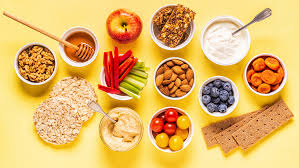
High protein pregnancy snacks are foods packed with protein that are safe and beneficial during pregnancy. They help support fetal development, maintain maternal energy levels, and manage hunger between meals. Focusing on nutrient-dense options ensures both mother and baby receive essential building blocks for a healthy pregnancy.
Why Protein Matters So Much During Pregnancy
You hear a lot about protein. But why is it so critical when you’re expecting? Think of protein as the main building material for your baby’s body.
It’s used to build every single cell. This includes their organs, muscles, and bones. It’s also vital for your own body.
Your body needs more protein during pregnancy. It’s busy creating new tissues. It’s also preparing for breastfeeding.
Protein helps build the placenta. This amazing organ feeds your baby. It also helps your body make more blood.
You need extra blood to carry oxygen and nutrients. Protein can also help you feel less tired. It helps keep your blood sugar steady.
This means fewer energy crashes. It also helps you feel full longer. This can stop you from overeating less healthy foods.
So, getting enough protein isn’t just a good idea. It’s a must-have for a healthy pregnancy.
When you’re pregnant, your body’s needs change. Your metabolism speeds up a bit. You are essentially fueling two growing beings.
Protein plays a role in many key pregnancy functions. It helps form hormones. It helps create enzymes.
Both are vital for your body’s processes. It also helps repair your own tissues. This is important as your body stretches and changes.
The general advice is to eat more protein. But how much more? For most pregnant people, an extra 25 grams of protein per day is a good goal.
But this can vary. Always talk to your doctor or a registered dietitian. They can give you personalized advice.
They know your specific health needs. They can tell you exactly how much protein is right for you. Focusing on protein-rich foods can help meet these increased demands.
The type of protein also matters. You want to get protein from good sources. These sources often come with other good things like vitamins and minerals.
Lean meats, fish, dairy, eggs, beans, and nuts are all great choices. They offer a complete package. They give you protein plus other nutrients you need.
It’s about more than just hitting a number. It’s about getting quality nutrition. This quality fuel supports healthy fetal development.
It also supports your own well-being. You want to feel your best during this time. Smart food choices, including protein snacks, are a big part of that.
They are an investment in your health and your baby’s health.
My Own Snack Struggles: A Moment of Realization
I remember my first pregnancy very clearly. I was so focused on “eating for two.” I thought that meant eating more of everything. And bigger meals.
But I quickly learned that wasn’t always the case. I was often sick in the first trimester. Big meals felt impossible.
I’d feel nauseous. Or I’d just feel too full. My doctor kept telling me to focus on protein.
She said it would help with nausea and keep me full. I nodded, but honestly, I was confused. What kind of protein could I eat when a simple cracker felt like a feast?
I was living in a fog of morning sickness. The smell of cooked meat made me gag. Dairy made me feel heavy.
My go-to snacks were things like chips or cookies. They gave me a quick burst of energy, but then I’d crash. And I was hungry again within an hour.
My energy levels were all over the place. I felt like I was constantly battling a tired, hungry feeling. It was frustrating.
I knew I needed to do better for my baby. But I felt stuck. I was tired and uninspired by food.
The thought of cooking complex meals felt overwhelming.
One afternoon, I was feeling particularly low. I had a work deadline looming. I hadn’t eaten much all day.
I felt shaky and weak. My stomach growled loudly. I looked in the fridge.
There was nothing appealing. Just a half-eaten jar of pickles and some sad-looking lettuce. I slumped onto a kitchen chair.
I felt so defeated. Then, my eyes landed on a container of Greek yogurt I’d bought a few days ago. I’d almost forgotten about it.
I also had a small bag of almonds in the pantry. It wasn’t much. But I remembered my doctor mentioning yogurt and nuts.
I took a deep breath. I scooped some yogurt into a bowl. I sprinkled a few almonds on top.
It was simple. No cooking. No strong smells.
I took a bite. It was cool, creamy, and slightly tart. The almonds added a nice crunch.
It wasn’t a gourmet meal. But it was satisfying. And for the first time in days, I felt a sense of calm.
My hunger pangs lessened. My head felt clearer. It was a small moment, but it was huge for me.
It was the moment I realized that simple, protein-packed snacks could be my lifeline. They could get me through the tough days. They could provide the nutrients I needed without the stress.
This was the start of my journey into finding easy, delicious protein snacks for pregnancy.
Snack Smart: Protein Power-Ups
Why it’s important: Protein keeps you full and helps your baby grow.
Quick ideas: Think about foods that are easy to grab and eat.
- Yogurt cups
- Hard-boiled eggs
- A small handful of nuts
- Edamame
These small changes can make a big difference in how you feel. They provide steady energy.
Your Top High-Protein Pregnancy Snack Options
Let’s dive into some fantastic options. These snacks are easy to find. They are also easy to prepare.
And most importantly, they are full of good protein. We’ll cover a variety of choices. This way, you can find what works for your taste buds.
And what fits into your busy day. Remember, variety is key. It helps you get different nutrients.
It also keeps things interesting.
Dairy Delights: Creamy and Filling
Dairy products are protein powerhouses. They are also often easy to digest. And they are readily available in most stores.
- Greek Yogurt: This is a superstar. It has about twice the protein of regular yogurt. Look for plain, unsweetened varieties. You can add your own fruit for sweetness. A single serving can have 15-20 grams of protein.
- Cottage Cheese: Another great choice. It’s low in fat and high in protein. A half-cup serving can offer around 12-14 grams of protein. You can eat it plain. Or add fruit, nuts, or even a sprinkle of black pepper.
- Cheese Sticks or Cubes: String cheese or small cubes of cheddar, mozzarella, or Swiss are perfect. They are pre-portioned. This makes them easy to grab and go. A single cheese stick can have 6-8 grams of protein. Pair it with a few whole-grain crackers for a balanced snack.
- Milk: A cold glass of milk is simple and effective. It provides protein, calcium, and vitamin D. Aim for low-fat or skim milk. A cup usually has about 8 grams of protein.
Dairy Snapshot: Protein Per Serving
Eggs: Nature’s Perfect Package
Eggs are one of the most nutrient-dense foods you can eat. They contain high-quality protein. Plus, they have many vitamins and minerals essential for pregnancy.
- Hard-Boiled Eggs: These are incredibly convenient. Boil a batch at the beginning of the week. Keep them in the fridge. They are easy to peel and eat on the go. One large egg has about 6 grams of protein. Having two makes a great snack.
- Scrambled Eggs: If you have a few minutes, a quick scramble is perfect. You can add a splash of milk or cheese for extra protein and creaminess.
Eggs contain choline. This nutrient is super important for your baby’s brain development. They also provide lutein and zeaxanthin.
These are good for eye health. And they have vitamin D. Getting enough vitamin D is important for both you and the baby.
Lean Proteins: Simple and Satisfying
These options offer substantial protein. They are great for keeping you full and satisfied.
- Poultry Slices: Look for pre-cooked, low-sodium turkey or chicken breast slices. These are quick and easy. You can eat them plain or wrap them around a cheese stick. One ounce can have around 5-7 grams of protein.
- Canned Tuna or Salmon (in water): These are excellent sources of protein and omega-3 fatty acids. Omega-3s are vital for your baby’s brain and eye development. Choose varieties packed in water, not oil. You can eat them on whole-grain crackers or mix them with a little Greek yogurt instead of mayonnaise. A 3-ounce serving can offer around 20 grams of protein.
- Edamame (in pods or shelled): These young soybeans are a fantastic plant-based protein source. They also provide fiber. You can buy them frozen. Steam them quickly and sprinkle with a little salt. A cup of shelled edamame has about 17 grams of protein.
Quick Protein Picks: On-the-Go Power
Note: Low-sodium is best. About 5-7g protein per ounce.
Note: Great for omega-3s. Around 20g protein per 3oz.
Note: Plant-based protein and fiber. Up to 17g protein per cup.
Plant-Based Power: Veggie and Seed Snacks
For those who prefer plant-based options, or want to mix things up, there are plenty of protein-rich choices.
- Nuts and Seeds: Almonds, walnuts, pistachios, pumpkin seeds, and sunflower seeds are all good. They offer protein, healthy fats, and fiber. Portion control is key, as they are calorie-dense. A quarter cup of almonds has about 6 grams of protein.
- Nut Butters: Peanut butter, almond butter, or cashew butter are easy to spread. Enjoy them on whole-grain toast, apple slices, or celery sticks. Two tablespoons of peanut butter contain about 7-8 grams of protein. Always choose natural varieties without added sugars or hydrogenated oils.
- Hummus: Made from chickpeas, hummus is a good source of protein and fiber. Pair it with vegetable sticks like carrots, celery, bell peppers, or cucumber. A quarter cup of hummus has about 2-3 grams of protein. You can also find larger portion sizes for a more substantial snack.
- Roasted Chickpeas: These are a crunchy, savory snack. You can buy them pre-made or roast them yourself with your favorite spices. A half-cup serving can offer around 7 grams of protein.
Nutrient Breakdown: Plant Protein Sources
Protein: ~6g per 1/4 cup
Other Benefits: Healthy fats, Vitamin E
Protein: ~7-8g per 2 tbsp
Other Benefits: Healthy fats, Magnesium
Protein: ~2-3g per 1/4 cup
Other Benefits: Fiber, Iron
Protein: ~7g per 1/2 cup
Other Benefits: Fiber, Iron
Combinations for Success
Sometimes, the best snacks combine different food groups. This way, you get a mix of nutrients. You also make the snack more satisfying.
- Apple Slices with Peanut Butter: A classic for a reason. The fiber in the apple and the protein/fat in the peanut butter are a great pair.
- Whole-Grain Crackers with Cheese: Provides carbs, protein, and calcium.
- Veggies with Hummus: Crunchy veggies offer vitamins and fiber. Hummus adds protein.
- Yogurt Parfait: Layer plain Greek yogurt with berries and a sprinkle of nuts or seeds. This is a mini-meal.
Creative Combos: Protein Boost
Why it Works: Fiber from apple, protein/fat from PB.
Why it Works: Carbs, protein, calcium.
Why it Works: Vitamins, fiber, plant protein.
Navigating Real-World Pregnancy Scenarios with Snacks
Pregnancy isn’t always predictable. There are days when eating feels hard. Or when you’re on the go.
Having a snack plan helps a lot. It ensures you’re still getting good nutrition.
The “Morning” Sickness Survival Kit
If you’re experiencing nausea, focus on bland, easy-to-digest protein. Avoid strong smells or heavy foods. Small, frequent snacks are your best friend.
- Salty Crackers with a smear of Nut Butter: The salt can help settle your stomach. The nut butter adds protein.
- Plain Greek Yogurt: Cool, smooth, and protein-rich.
- Hard-Boiled Eggs: Simple and easy to manage.
- Toast with Avocado and a sprinkle of salt: Healthy fats and a little protein.
Keep these items readily available. Have a small bag with snacks in your purse. Keep some at your desk at work.
This way, you’re never too far from a good option.
The Busy Bee: On-the-Go Fuel
When you’re running errands or have back-to-back appointments, you need portable snacks. Foods that don’t require refrigeration or much prep are ideal.
- Trail Mix: A mix of nuts, seeds, and dried fruit. Be mindful of portion sizes.
- Cheese Sticks: Individually wrapped and easy to carry.
- Protein Bars: Choose wisely. Look for bars with simple ingredients. Aim for at least 10-15 grams of protein. Check that they don’t have excessive sugar or artificial sweeteners.
- Individual Greek Yogurt Cups: Some come in portable pouches.
- Fruit with a small bag of nuts: An apple or banana paired with a handful of almonds.
On-the-Go Snack Strategy
Go-To Snacks: Crackers & Nut Butter, Plain Yogurt, Hard-Boiled Eggs.
Tip: Keep small portions handy everywhere.
Go-To Snacks: Trail Mix, Cheese Sticks, Protein Bars (choose carefully).
Tip: Pack a small cooler bag for chilled items.
Late-Night Cravings or Mid-Afternoon Slump
Sometimes you just need a little something to tide you over. Or to help you sleep better. Protein can help with this.
- Warm Milk: A comforting drink that provides protein.
- A small bowl of Cottage Cheese with Berries: Protein and fiber.
- A handful of Walnuts: These contain melatonin, which may help with sleep.
- A small smoothie: Blend yogurt or milk with fruit and a spoonful of nut butter.
These snacks help stabilize blood sugar. This can prevent that tired, weak feeling. It also prevents you from reaching for sugary treats.
Small, balanced snacks are often best.
What This Means for You: Staying Healthy and Happy
Understanding your protein needs is empowering. It helps you make better food choices. This journey through pregnancy is unique.
What works for one person might not work for another.
When is a snack just a snack?
Most of the time, the snacks we’ve discussed are perfectly normal and healthy. They provide essential nutrients. They help manage hunger.
They support your baby’s growth. Enjoying a variety of these protein-rich options is a sign you’re doing a great job.
When should you be concerned?
You should pay attention if you’re consistently struggling to eat. If you’re losing weight unintentionally. Or if you’re experiencing severe or persistent nausea and vomiting.
These could be signs of a more serious issue. This is when you absolutely need to talk to your healthcare provider. They can assess your situation.
They can offer specific medical advice. They might recommend supplements. Or suggest further dietary guidance.
Also, be mindful of your total daily intake. While snacks are important, they shouldn’t replace balanced meals. If your snacks are very high in calories and you’re not getting enough nutrients from meals, that’s something to address.
It’s about balance.
Simple Checks to Make
Here are some easy things you can do:
- Listen to your body: What sounds appealing? What makes you feel good after eating?
- Keep a food journal: Note what you eat and how you feel. This can reveal patterns.
- Read labels: Look for protein content. Also, check for added sugars and sodium.
- Stay hydrated: Sometimes hunger is actually thirst. Drink plenty of water.
These simple checks help you stay aware. They keep you in tune with your body’s needs. They ensure you’re fueling yourself and your baby well.
Quick Tips for Boosting Protein Intake
Making small adjustments can have a big impact. Here are some easy ways to add more protein to your day, especially through snacks.
- Start your day strong: Don’t skip breakfast. Include protein like eggs, Greek yogurt, or a protein smoothie.
- Add protein to existing meals: Stir some beans into your soup. Add shredded chicken to a salad. Top your cereal with nuts and seeds.
- Smart swapping: Instead of a plain bagel, choose a whole-wheat bagel with cream cheese and smoked salmon.
- Keep it simple: Don’t overcomplicate things. A handful of almonds or a cheese stick is perfectly fine.
- Plan ahead: Prepare some snacks in advance. Wash fruit. Boil eggs. Portion out nuts.
Protein Boosting Hacks
How: Add beans to soup, nuts to cereal.
How: Boil eggs, portion nuts, cut veggies.
How: Choose protein-rich versions of your usual foods.
Frequently Asked Questions About Pregnancy Snacks
Q1: How much protein do I really need during pregnancy?
Most pregnant individuals need about 70-100 grams of protein per day. This can vary based on your body weight and activity level. Your doctor or a dietitian can give you the most accurate number for you.
Q2: Are protein bars safe during pregnancy?
Many protein bars are safe, but it’s important to choose them wisely. Look for bars with simple, whole-food ingredients. Aim for at least 10-15 grams of protein.
Avoid bars with excessive sugar, artificial sweeteners, or unpasteurized ingredients. Always check the label and consult your doctor if unsure.
Q3: Can I eat deli meat as a snack?
Deli meats can be a good source of protein, but they carry a risk of Listeria. If you choose to eat them, ensure they are heated until steaming hot (165°F or 74°C). This kills any potential bacteria.
Low-sodium, fully cooked poultry slices are often a safer bet.
Q4: What about snacking on jerky?
Beef jerky or other meat jerky can be a good protein source. However, it’s often high in sodium. Also, the curing process might pose a risk.
If you eat jerky, choose lower-sodium options and consume them in moderation. Ensure it’s made with pasteurized meat products.
Q5: I’m a vegetarian, what are good high-protein pregnancy snacks?
Absolutely! Excellent vegetarian options include Greek yogurt, cottage cheese, hard-boiled eggs, edamame, nuts, seeds, nut butters, hummus, and roasted chickpeas. Tofu and tempeh can also be incorporated into snack preparations.
Q6: Can too much protein be harmful during pregnancy?
While protein is essential, an excessive intake isn’t necessarily better and could potentially strain your kidneys. It’s always best to stick to recommended amounts. Focus on quality protein sources within a balanced diet.
Discuss any concerns about your intake with your healthcare provider.
Final Thoughts on Fueling Your Pregnancy
Pregnancy is a marathon, not a sprint. Fueling your body with smart, protein-packed snacks is a key strategy. It supports your baby’s amazing growth.
It also helps you feel more energized. And more comfortable through each trimester. You’ve got this!
Embrace these simple, delicious options.