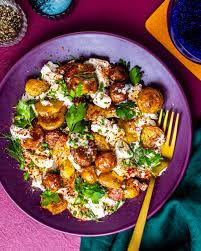
Pregnancy heartburn is often caused by hormonal changes and pressure from the growing baby. Certain foods can trigger or worsen these symptoms. Focusing on bland, easy-to-digest options and eating smaller, more frequent meals can help manage discomfort. Hydration and avoiding late-night snacks are also key strategies.
Understanding Pregnancy Heartburn
Heartburn is that uncomfortable burning feeling. It starts in your chest. It can climb up your throat. Many pregnant people experience it. It’s often called acid reflux. It happens when stomach acid backs up into your esophagus. This is the tube that connects your throat to your stomach.
Several things cause this. Hormones play a big role. The hormone progesterone relaxes muscles. This includes the muscle between your esophagus and stomach. This muscle is called the lower esophageal sphincter, or LES. When it relaxes, acid can escape more easily.
As your baby grows, so does your uterus. This puts pressure on your stomach. Your stomach gets squeezed. This makes it easier for acid to push upwards. Your stomach also empties slower during pregnancy. This means food stays in longer. This can also lead to heartburn.
It’s not just about what you eat. It’s also about how much and when. Big meals can fill your stomach. This increases pressure. Eating too close to bedtime also makes it worse. Gravity helps keep acid down when you stand up. When you lie down, it’s easier for acid to rise.
Many factors contribute to this common pregnancy symptom. Understanding them helps us find solutions. The goal is to feel better. We want you to enjoy your pregnancy. This involves making smart food choices. It also means adjusting how and when you eat.
Why Does My Chest Burn?
Hormones: Progesterone relaxes muscles, including the valve between your stomach and food pipe.
Growing Baby: Your uterus pushes against your stomach. This forces acid up.
Slower Digestion: Food stays in your stomach longer.
My Own Heartburn Horror Story
I remember my second pregnancy vividly. Around the 20-week mark, it started. I was enjoying a quiet evening. I had just finished dinner. It was a hearty stew I had made. Within an hour, I felt it. A low burn in my chest. It quickly grew into a fire. It went all the way up to my throat. I remember standing in my kitchen. I was fanning my face, feeling so uncomfortable. I had a glass of milk. It helped a little. But the feeling lingered for hours. I felt so frustrated. I loved food. But now, it felt like my enemy. I worried about eating anything. This made me feel weak. I needed to find solutions. I talked to my doctor. I started keeping a food journal. I learned what my triggers were. It was a process. But I eventually found a balance.
This experience taught me a lot. It showed me that what works for one person might not work for another. But there are common strategies. Finding the right foods is key. It’s about listening to your body. It’s also about making informed choices. My goal is to share what I learned. I want to help others avoid that burning misery. We’ll get through this together. We’ll find foods that are kind to your stomach.
Personal Experience Snapshot
The Moment: A weeknight dinner, about an hour after eating.
The Feeling: A burning sensation starting low in the chest and moving upwards.
The Struggle: Feeling like favorite foods were causing pain.
The Lesson: Food journaling and understanding personal triggers are vital.
Safe Foods for Pregnancy Heartburn
Finding the right foods is like finding a secret weapon. These foods are gentle on your stomach. They help calm the burning. They also provide the nutrients you need. Let’s explore some great options.
Lean Proteins: Protein is important for baby’s growth. Choose lean options. These digest easily. Think chicken or turkey breast. Fish like salmon or cod is also good. Make sure it’s baked or grilled. Avoid fried meats. Fried foods can be greasy. Greasy food can trigger heartburn.
Whole Grains: These are filling and easy to digest. Oats are a fantastic choice. Oatmeal for breakfast can be soothing. Brown rice is another good option. Whole wheat bread or pasta can work for some. These grains have fiber. Fiber helps with digestion. It keeps things moving smoothly.
Vegetables: Most vegetables are great. Especially non-acidic ones. Think green beans. Carrots are good too. Broccoli and spinach are also fine. Sweet potatoes offer vitamins. They are also quite filling. Avoid spicy peppers. These can irritate your stomach.
Fruits: Some fruits are better than others. Bananas are very gentle. Melons like cantaloupe and watermelon are good. They are mostly water. Applesauce is also easy on the stomach. Pears are another safe bet. Avoid citrus fruits. They can be too acidic.
Dairy & Alternatives: Low-fat dairy can be helpful. Milk can coat the esophagus. It offers temporary relief for some. Yogurt is also a good choice. Choose plain, unsweetened varieties. If dairy is an issue, try almond milk. Or soy milk. Ensure they are fortified with calcium and vitamin D.
Healthy Fats: Small amounts are okay. Avocado is a good source. Nuts and seeds in moderation can also work. But don’t overdo it. Too much fat slows digestion. This can worsen heartburn.
The key is moderation. Even good foods can cause problems if you eat too much. Small, frequent meals are your friend. This keeps your stomach from getting too full. This reduces pressure. Always listen to your body. What soothes one person might not soothe another. Keep a food diary. Note what you eat. Note when you feel symptoms. This helps you spot your personal triggers.
Gentle Food Ideas
Breakfast: Oatmeal with sliced banana.
Lunch: Baked chicken breast with brown rice and steamed green beans.
Dinner: Grilled salmon with roasted carrots.
Snacks: Plain yogurt, a pear, or a small handful of almonds.
Foods to Approach with Caution
Just as some foods help, others can make heartburn worse. These are often foods that can relax the LES. Or foods that can irritate the stomach lining. Being aware of them helps you avoid trouble. Try to limit or avoid these items.
Spicy Foods: Chili peppers, hot sauces, and curries are big culprits. They can directly irritate your esophagus. They can also relax the LES. This allows acid to flow up more easily.
Citrus Fruits and Juices: Oranges, grapefruits, lemons, and limes are very acidic. Even their juices can cause problems. Orange juice is a common trigger. It’s best to choose less acidic fruits.
Tomatoes and Tomato Products: Tomatoes are acidic. Sauces, pastes, and ketchup can all cause heartburn. Even raw tomatoes can be an issue for some. If you love pasta, try a cream-based sauce instead of tomato.
Fatty and Fried Foods: Greasy burgers, fries, fried chicken, and creamy sauces take a long time to digest. They also relax the LES. This is why they are common triggers. Even healthy fats in large amounts can be problematic.
Chocolate: This is a tough one for many. Chocolate contains compounds that can relax the LES. It also has caffeine. Both can contribute to heartburn. If you crave something sweet, try a small piece of fruit instead.
Caffeine: Coffee, tea, and some sodas contain caffeine. Caffeine can relax the LES. It can also increase stomach acid. Try switching to decaf options. Or herbal teas that are known to be soothing.
Carbonated Beverages: Sodas and sparkling water can cause burping. Burping can bring stomach acid up. The bubbles can also distend your stomach. This increases pressure. Stick to plain water.
Mint: Peppermint and spearmint are often used to aid digestion. But in pregnancy, they can relax the LES. This makes heartburn worse. So, mint candies or mint tea might not be your friend.
It’s important to remember that everyone is different. Some people are sensitive to a few of these. Others can tolerate some of them in small amounts. This is where your food diary becomes so useful. It helps you pinpoint your personal triggers. Don’t feel deprived. There are still many delicious and safe foods you can enjoy. The goal is to find what works best for you and your baby.
Common Triggers to Watch
| Category | Examples | Why it’s a trigger |
| Spicy | Hot sauce, curry | Irritates esophagus, relaxes LES |
| Acidic | Citrus, tomatoes | Increases stomach acid, irritates lining |
| Fatty/Fried | Fries, fried chicken | Slows digestion, relaxes LES |
| Beverages | Caffeine, soda, mint tea | Relaxes LES, increases acid, causes bloating |
Mealtime Strategies for Relief
It’s not just what you eat, but how you eat. Making smart choices at mealtimes can make a huge difference. These strategies help manage your stomach’s environment.
Eat Small, Frequent Meals: Instead of three large meals, try five or six smaller ones. This keeps your stomach from getting too full. Small portions reduce pressure. They are also easier to digest.
Don’t Overeat: Even with safe foods, eating too much can trigger heartburn. Stop eating when you feel satisfied, not stuffed. Listen to your body’s signals.
Eat Slowly: Take your time when you eat. Chew your food thoroughly. This helps with digestion. It also signals to your brain when you are full.
Avoid Eating Before Bed: Try not to eat for at least two to three hours before you lie down. This gives your stomach time to empty. It reduces the chance of acid backing up.
Stay Upright After Eating: After meals, avoid lying down. Try to stay sitting or standing for a while. This uses gravity to your advantage. It helps keep stomach acid down.
Chew Gum: Chewing sugar-free gum after meals can help. It stimulates saliva production. Saliva is alkaline. It can help neutralize stomach acid. It can also help wash acid back down into your stomach. Stick to mint-free flavors, as mint can be a trigger for some.
Drink Fluids Between Meals: Sip water or other non-triggering beverages throughout the day. Avoid drinking large amounts with meals. This can fill your stomach and put pressure on it.
These small changes can make a big impact. They help manage the physical causes of heartburn. They create a calmer digestive system. Remember, consistency is key. Make these strategies a part of your daily routine. Your comfort is important. These tips help you achieve that.
Mealtime Mindset
Portion Size: Think small snacks, not big feasts.
Timing: Give your stomach a break before sleep.
Posture: Stay upright to keep acid down.
Hydration: Sip water throughout the day, not just with meals.
What to Drink for Heartburn Relief
Hydration is crucial during pregnancy. But some drinks can worsen heartburn. We want to focus on liquids that soothe. They should not increase stomach acid.
Water: This is always the best choice. Plain water is neutral. It doesn’t irritate your stomach. It helps keep you hydrated. It can also help dilute stomach acid. Sip it slowly throughout the day.
Herbal Teas: Some herbal teas can be very soothing. Chamomile tea is known for its calming properties. Ginger tea can help with nausea and digestion. Licorice root tea (DGL form, deglycyrrhizinated) is often recommended. It can help coat the esophagus. Always check with your doctor before using herbal remedies. Ensure they are safe for pregnancy.
Low-Fat Milk: As mentioned before, milk can provide temporary relief. It can coat the esophagus. It helps neutralize acid for a short time. Opt for skim or low-fat milk. Whole milk is higher in fat. That can worsen heartburn.
Non-Citrus Juices (Diluted): If you crave juice, choose wisely. Dilute it heavily with water. Pear or apple juice can be options. Avoid orange, grapefruit, and tomato juices. They are too acidic. Even diluted, use sparingly.
Alkaline Water: Some people find alkaline water helpful. It has a higher pH level. This means it’s less acidic. It may help neutralize stomach acid. Discuss this with your healthcare provider.
What to Avoid: Steer clear of coffee and caffeinated teas. These can increase acid production. Sodas and other carbonated drinks should also be avoided. They cause bloating and burping. Alcohol is a definite no-go during pregnancy and can worsen heartburn.
Choosing the right drinks is part of managing heartburn. It complements the food choices you make. Remember to sip your drinks slowly. Gulping them can introduce air. This can lead to burping and more discomfort.
Soothing Sips
Best Bet: Water. Always hydrate with plain water.
Herbal Allies: Chamomile, ginger, DGL licorice tea (check with doctor).
Temporary Comfort: Low-fat milk.
Use Sparingly: Diluted non-citrus juices.
Avoid: Coffee, soda, alcohol, acidic juices.
Lifestyle Adjustments for Comfort
Beyond food, your daily habits matter a lot. Small lifestyle tweaks can significantly reduce heartburn symptoms. These adjustments create a more peaceful environment for your stomach.
Wear Loose Clothing: Tight clothes, especially around your waist, can put pressure on your stomach. Opt for loose-fitting maternity wear. This reduces external pressure.
Elevate Your Head While Sleeping: This is a crucial tip. Use extra pillows to prop up your head and upper body. Aim for about six to eight inches. This helps keep stomach acid from flowing into your esophagus while you sleep. You can also talk to your doctor about using blocks under the head of your bed frame.
Manage Stress: Stress can sometimes worsen digestive issues. Find healthy ways to relax. Gentle yoga, meditation, or deep breathing exercises can help. Spending time in nature also helps many people.
Avoid Smoking and Secondhand Smoke: If you smoke, now is the time to quit. Smoking is harmful to you and your baby. It also weakens the LES. If you are around smokers, try to avoid the smoke.
Chew Gum (Mint-Free): We touched on this for meals, but it’s also a general lifestyle tip. Chewing gum after meals or when you feel symptoms can help. Remember to pick a flavor that doesn’t trigger you.
Stay Active (Gently): Regular, gentle exercise can aid digestion. Walking is excellent. It helps move food through your system. Avoid lying down or strenuous activity right after eating. Talk to your doctor about safe exercises during pregnancy.
These lifestyle changes work in harmony with your diet. They create a more comfortable experience. It’s about making your body a more hospitable place for your growing baby. Small, consistent efforts yield big results.
Lifestyle Comfort Checklist
Clothing: Loose and comfortable.
Sleep: Elevate your upper body.
Stress: Find calm through relaxation.
Environment: Avoid smoke.
Movement: Gentle activity aids digestion.
When to Talk to Your Doctor
While heartburn is common, it’s important to know when to seek medical advice. Your doctor is your best resource. They can offer personalized guidance. They can also rule out other issues.
Severe or Persistent Symptoms: If your heartburn is very intense. Or if it doesn’t improve with diet and lifestyle changes. Your doctor can help. They can assess if you need medication.
Difficulty Swallowing: If you have trouble swallowing food or liquids. This could indicate a more serious problem. It needs prompt medical attention.
Unexplained Weight Loss: If you are losing weight without trying. This is a red flag and requires a doctor’s evaluation.
Vomiting Blood: This is a serious symptom. Seek immediate medical help.
Black or Tarry Stools: This can indicate bleeding in the digestive tract. See your doctor right away.
Medication Use: Your doctor can advise on safe over-the-counter medications. Antacids are often an option. But always use them as directed. Some medications are not safe during pregnancy. They can discuss options like H2 blockers or PPIs if needed. They will weigh the benefits and risks.
Concerns about Nutrition: If you are worried about not getting enough nutrients due to food restrictions. Your doctor or a registered dietitian can help create a balanced meal plan. This ensures you and your baby get what you need.
Don’t hesitate to reach out. Your healthcare provider is there to support you. They can provide peace of mind. They can also offer effective solutions. Your well-being is paramount. Open communication is key.
When to Call Your Doctor
Symptoms: Severe, persistent heartburn; difficulty swallowing.
Red Flags: Unexplained weight loss, vomiting blood, black stools.
Medication: For advice on safe medications.
Nutrition: If you worry about your diet.
Frequently Asked Questions
Can I eat spicy food during pregnancy if I have heartburn?
While some people can tolerate mild spices, spicy foods are a common trigger for heartburn. They can irritate the esophagus and relax the lower esophageal sphincter (LES). It’s generally recommended to avoid or limit spicy foods to manage pregnancy heartburn.
What are the best foods to eat for breakfast to avoid heartburn?
For a heartburn-friendly breakfast, focus on bland, easy-to-digest options. Oatmeal is a great choice, perhaps with some banana slices. Whole-grain toast with a thin layer of avocado or a small amount of jelly is also good. Avoid fried foods, spicy dishes, and large amounts of caffeine.
Is it safe to take antacids for pregnancy heartburn?
Many over-the-counter antacids are considered safe during pregnancy. Calcium carbonate-based antacids (like Tums) are often recommended. However, it’s crucial to consult your doctor before taking any medication, including antacids. They can advise on the best and safest option for you and your baby, and the correct dosage.
Why does chocolate make heartburn worse during pregnancy?
Chocolate is a common heartburn trigger for several reasons. It contains methylxanthine, a compound that can relax the lower esophageal sphincter (LES). This valve normally keeps stomach acid down. When it relaxes, acid can flow back up. Also, chocolate can increase stomach acid production, adding to the discomfort.
How can I sleep better with pregnancy heartburn?
To sleep better with heartburn, elevate your upper body while sleeping. Use extra pillows or wedge pillows to raise your head and chest by about six to eight inches. This helps gravity keep stomach acid down. Avoid eating for two to three hours before bedtime. Try to wear loose pajamas.
Can drinking milk help with pregnancy heartburn?
Yes, drinking milk can offer temporary relief for some pregnant individuals. Milk can help neutralize stomach acid and coat the esophagus, providing a soothing effect. Low-fat or skim milk is generally recommended, as high-fat dairy can sometimes worsen heartburn by slowing digestion and relaxing the LES.
Conclusion
Pregnancy heartburn can be a tough symptom. But you have control over many factors. By choosing the right foods and drinks, you can find relief. Small changes in how and when you eat also help. Don’t forget lifestyle adjustments. They add to your comfort. Always talk to your doctor. They are there to guide you. You can have a more comfortable pregnancy. Focus on nourishing yourself and your baby. You’ve got this!