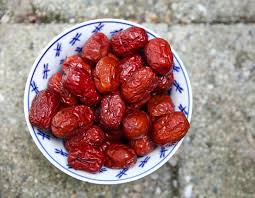
Eating specific foods can help manage pregnancy swelling. Focusing on nutrient-rich options that aid circulation and reduce water retention is key. Hydration and a balanced diet are your best allies.
Understanding Pregnancy Swelling
Swelling, or edema, is very common during pregnancy. It happens as your body holds onto more fluid. Your growing uterus also presses on veins.
This can slow down blood flow. Hormonal changes play a big role too. They make your blood vessels relax.
This causes more fluid to leak into your tissues.
This extra fluid can gather in your legs, ankles, feet, and hands. It often gets worse as the day goes on. Heat can also make it feel more noticeable.
While some swelling is normal, it’s good to know what makes it better. Your diet is a powerful tool here. What you eat and drink affects your body’s fluid balance.
Understanding how your body is changing can be empowering. It helps you make choices that support your comfort. We’ll look at how food can be your friend in managing this common pregnancy symptom.
It’s about feeling more at ease during this special time.
My Own Swelling Story
I remember my third trimester vividly. My feet felt like two balloons. By evening, my wedding ring was stuck.
I’d tried putting my feet up, but it only helped so much. I started to feel really worried. Was this normal?
Was there anything I could do besides wait for the baby to arrive?
One afternoon, my midwife mentioned diet. She said some foods could actually help reduce swelling. I was skeptical.
Could a banana really do more than elevating my feet? She explained that certain nutrients help your body manage fluids better. She told me to focus on potassium-rich foods and to stay well-hydrated.
It seemed too simple, but I was desperate for relief. That evening, I made sure to eat a meal with plenty of leafy greens and a side of salmon. The next morning, I noticed a slight difference.
My shoes didn’t feel quite so tight. It was a small victory, but it gave me hope. That’s when I really started paying attention to my food choices.
Quick Scan: Foods to Embrace
Potassium Powerhouses: Bananas, sweet potatoes, spinach, avocados, beans, yogurt.
Hydration Heroes: Water, herbal teas (check with your doctor), cucumber, watermelon.
Magnesium Boosters: Almonds, pumpkin seeds, whole grains, dark chocolate.
Vitamin C Stars: Citrus fruits, berries, bell peppers.
Omega-3 Champions: Fatty fish (salmon, mackerel), flaxseeds, chia seeds.
Foods That Help Reduce Swelling
Let’s dive into the foods that can make a real difference. These are not magic cures, but they are helpful allies. They work by supporting your body’s natural processes.
They help keep fluid balance in check. They also boost circulation. This is exactly what you need when you’re feeling puffy.
Potassium-Rich Foods
Potassium is a star player here. It helps balance sodium levels in your body. Sodium can cause your body to hold onto water.
Potassium tells your kidneys to release more sodium. This helps reduce water retention. It’s like a natural diuretic.
Getting enough potassium is key for managing swelling.
Excellent sources of potassium include:
- Bananas: Easy to eat and a classic choice.
- Sweet Potatoes: Versatile and packed with nutrients.
- Spinach and other leafy greens: Think kale, chard, and collards.
- Avocado: Creamy and full of healthy fats and potassium.
- Beans and Lentils: Great for adding to soups and salads.
- Yogurt and Milk: Dairy provides potassium and calcium.
- Tomatoes: Fresh or in sauces, they offer a good amount.
Adding these to your daily meals can help. A banana for a snack is a great idea. Toss spinach into your smoothie.
Roast sweet potatoes for dinner. These simple swaps add up.
Stay Hydrated with Water
It might sound backward, but drinking more water actually helps reduce swelling. When you don’t drink enough, your body thinks it needs to conserve fluid. So, it holds onto water, making swelling worse.
Staying well-hydrated signals your body that it’s okay to release excess fluid.
Aim for plenty of plain water throughout the day. Carry a reusable water bottle. Sip on it constantly.
Herbal teas can also contribute to your fluid intake. Just be sure to choose pregnancy-safe options. Your doctor or midwife can give you a list.
Think about other hydrating foods:
- Cucumber: Mostly water and very refreshing.
- Watermelon: Sweet and hydrating, a perfect summer treat.
- Celery: Crunchy and has a high water content.
- Oranges: Juicy and packed with vitamin C too.
Making water your primary drink is the best strategy. It supports kidney function. It helps flush out waste.
It’s fundamental for overall well-being during pregnancy.
Magnesium-Rich Foods
Magnesium is another important mineral. It helps relax muscles and nerves. It also plays a role in fluid balance.
Low magnesium levels can sometimes be linked to more swelling. Getting enough magnesium can help your body regulate fluids more effectively.
Good sources of magnesium include:
- Almonds and other nuts: A handful makes a great snack.
- Pumpkin seeds: Sprinkle them on salads or yogurt.
- Whole grains: Oats, quinoa, and brown rice.
- Dark chocolate: A treat that also offers magnesium.
- Leafy green vegetables: Like spinach, they are magnesium powerhouses.
- Beans: Black beans, kidney beans, and chickpeas.
Incorporating these foods can help meet your magnesium needs. It’s another way to support your body as it grows your baby. These foods are also great for overall health.
Foods High in Vitamin C
Vitamin C is known for its immune-boosting properties. But it also helps strengthen blood vessel walls. Stronger blood vessels are less likely to leak fluid.
This can help reduce swelling. It also helps your body absorb iron better, which is important during pregnancy.
You can find Vitamin C in:
- Citrus fruits: Oranges, grapefruits, lemons, limes.
- Berries: Strawberries, blueberries, raspberries.
- Bell peppers: Especially red and yellow ones.
- Broccoli: A cruciferous vegetable rich in C.
- Tomatoes: Another versatile source.
Enjoying these fruits and vegetables can contribute to your daily Vitamin C intake. A refreshing orange or a bowl of mixed berries is a tasty way to get it.
Omega-3 Fatty Acids
Omega-3s are famous for heart health and brain development. They also have anti-inflammatory properties. Reducing inflammation can sometimes help with swelling.
They may also improve blood circulation. Better circulation means fluids can move more freely through your body.
Find Omega-3s in:
- Fatty fish: Salmon, mackerel, sardines (choose low-mercury options).
- Flaxseeds: Ground flaxseed is easier to digest.
- Chia seeds: Add them to smoothies or puddings.
- Walnuts: A great source of plant-based omega-3s.
Including these foods can offer multiple benefits. They support both your health and your baby’s development. Always consult your doctor about fish consumption during pregnancy.
Split Insight: Hydration is Key
Why drink water when you’re already puffy? Your body retains water when it senses dehydration. Giving it plenty of water tells it there’s no need to hoard. This helps flush out excess sodium and waste products, reducing overall fluid retention.
Foods to Limit or Avoid
Just as some foods help, others can make swelling worse. The main culprit is often sodium. High sodium intake causes your body to hold onto more water.
This directly contributes to puffiness.
High-Sodium Foods
Processed foods are usually loaded with sodium. This includes many convenience meals, canned soups, and salty snacks. Even seemingly healthy items can be high in sodium.
It’s important to read food labels carefully.
Be mindful of:
- Fast food: Often very high in sodium.
- Canned goods: Soups, vegetables, and meats can be packed with salt.
- Processed meats: Bacon, ham, hot dogs, and deli meats.
- Salty snacks: Chips, pretzels, crackers.
- Pickles and olives: Brined foods are typically high in sodium.
- Sauces and dressings: Many store-bought options are sodium bombs.
Choosing fresh, whole foods over processed ones is a good general rule. Cooking at home gives you control over the salt content.
Refined Carbohydrates and Sugars
While not as direct as sodium, high intake of refined carbs and sugars can affect fluid balance. They can contribute to inflammation. They can also lead to blood sugar spikes.
These can indirectly impact how your body manages fluids.
Limit:
- White bread and pasta.
- Sugary cereals and pastries.
- Candy and sugary drinks.
Focusing on whole grains and natural sweeteners provides more nutrients. It also helps keep your energy levels more stable.
Excessive Caffeine
While moderate caffeine is generally considered safe in pregnancy, too much can have drawbacks. Some studies suggest that very high caffeine intake might be linked to increased fluid retention. It can also be dehydrating if not balanced with plenty of water.
It’s always best to discuss your caffeine intake with your healthcare provider. They can offer personalized advice based on your pregnancy.
Contrast Matrix: Sodium Smarts
Normal Sodium Levels: Your body maintains a healthy balance. You notice minimal or no swelling.
Concerning Sodium Levels: High sodium intake causes your body to retain excess water. This leads to noticeable puffiness, especially in extremities.
Real-World Scenarios
Let’s think about how these food choices play out in everyday life. What does a day of eating for reduced swelling look like?
Breakfast
Instead of sugary cereal, try a bowl of oatmeal with berries and a sprinkle of almonds. Or, have scrambled eggs with spinach and a slice of whole-wheat toast. A smoothie with yogurt, banana, and chia seeds is also a great option.
Lunch
A large salad with grilled chicken or beans, lots of colorful veggies, and a light vinaigrette is a good choice. Lentil soup made from scratch is another excellent option. Avoid pre-packaged deli sandwiches that can be high in sodium.
A baked potato topped with black beans and salsa is also beneficial.
Dinner
Focus on lean protein and plenty of vegetables. Baked salmon with roasted sweet potatoes and steamed broccoli is fantastic. Chicken stir-fry with brown rice and a variety of colorful vegetables can also work well.
Make sure your sauces are low in sodium.
Snacks
Keep it simple and healthy. A banana, a handful of nuts, some Greek yogurt, or sliced cucumber with hummus are all good choices. These snacks provide essential nutrients and help keep you satisfied between meals.
These meal ideas are flexible. The goal is to incorporate the beneficial foods consistently. It’s about making conscious choices that support your body.
Observational Flow: Daily Hydration Goal
Morning: Start with a large glass of water upon waking.
Mid-morning: Sip water throughout your morning routine. Add a cup of herbal tea.
Lunchtime: Drink water with your meal. Choose hydrating options like cucumber in your salad.
Afternoon: Carry a water bottle and aim to refill it. Snack on fruits like watermelon.
Evening: Continue sipping water. Enjoy a cup of decaf tea after dinner.
Total: Aim for at least 8-10 glasses (64-80 oz) of fluid daily, adjusted for activity and climate.
What This Means for You
Understanding these food connections can empower you. It means you have a role in managing your comfort. Eating well during pregnancy is about nourishing yourself and your baby.
When Swelling is Normal
Some degree of swelling is expected. It typically worsens in the third trimester. It’s often more noticeable at the end of the day.
Standing or sitting for long periods can make it worse. Heat also tends to increase it.
If you’ve eaten a balanced diet with plenty of water, and you’re not experiencing other symptoms, this kind of swelling is usually okay. The foods we discussed can help keep it manageable.
When to Be Concerned
While dietary changes can help, it’s crucial to know when to seek medical advice. Sudden or severe swelling, especially in the face and hands, can be a sign of something more serious. This includes conditions like preeclampsia.
Watch out for:
- Sudden, significant swelling.
- Swelling that doesn’t go down overnight.
- Swelling accompanied by severe headaches.
- Vision changes (blurriness, spots).
- Pain in the upper abdomen.
- Sudden weight gain.
If you notice any of these signs, contact your doctor or midwife immediately. They can assess your situation and ensure you and your baby are safe.
Simple Checks You Can Do
Keep an eye on your rings. If they become tight, that’s a sign of increased swelling. Notice how your shoes feel at the end of the day compared to the morning.
Paying attention to these small changes can help you understand your body’s patterns.
Also, monitor your fluid intake and how often you’re using the restroom. If you’re drinking a lot but not urinating much, it could be a sign your body is holding onto fluid.
Quick Scan: Lifestyle Tips for Swelling
Elevate Feet: Prop your legs up whenever possible.
Move Around: Gentle walks and light exercise improve circulation.
Avoid Long Standing: Break up long periods of standing or sitting.
Cool Down: Stay in cool environments when possible; heat worsens swelling.
Compression Socks: Talk to your doctor about wearing them.
Quick Tips for Managing Swelling
Beyond food, a few lifestyle adjustments can really help ease swelling.
- Stay Active: Gentle exercise like walking or swimming improves circulation.
- Elevate Your Feet: Prop your legs up on pillows whenever you can, especially when resting.
- Avoid Tight Clothing: Opt for loose, comfortable clothing.
- Wear Supportive Shoes: Choose footwear that doesn’t constrict your feet.
- Cool Showers or Baths: Can help reduce inflammation and discomfort.
- Consider Compression Socks: Talk to your doctor; they can be very effective.
These simple habits work hand-in-hand with a good diet. They create a more comfortable pregnancy experience.
Frequently Asked Questions
Is it okay to eat bananas every day for swelling?
Yes, bananas are a great source of potassium, which helps balance sodium and reduce water retention. Eating one banana a day, or even more if you enjoy them, is generally safe and beneficial for managing pregnancy swelling.
Can drinking too much water make swelling worse?
No, quite the opposite. When you are well-hydrated, your body is less likely to hold onto excess fluid. Drinking plenty of water helps your kidneys function properly and flush out sodium, thus reducing swelling.
Are salty cravings normal during pregnancy and how do they affect swelling?
Cravings are common! However, high sodium intake can definitely worsen swelling. Try to satisfy salty cravings with healthier options like pickles (in moderation), olives, or even a small amount of lightly salted nuts.
Focus on fresh foods to reduce overall sodium intake.
What are some easy ways to add more potassium to my diet?
Simply add a banana to your breakfast or snack. Roast sweet potatoes as a side dish. Stir spinach into your eggs or smoothies.
Add beans to your salads or soups. These are easy and delicious ways to boost your potassium intake.
Can I drink herbal teas to help with swelling?
Some herbal teas can be beneficial, like nettle or dandelion (in moderation). However, it’s crucial to check with your doctor or midwife about which herbal teas are safe during pregnancy. Always prioritize plain water.
If I have gestational diabetes, can I still eat these foods?
Yes, many of these foods are excellent choices for gestational diabetes management. Focus on whole fruits, vegetables, lean proteins, and healthy fats. Discuss your specific dietary needs with your doctor or a registered dietitian to create a balanced plan.
Final Thoughts
Dealing with pregnancy swelling can be a challenge. But by making smart food choices, you can find relief. Focus on potassium, hydration, and magnesium.
Limit high-sodium processed foods. Small changes can lead to big comfort. Listen to your body and always talk to your doctor about any concerns.