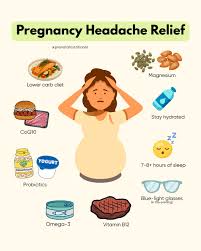
Focusing on nutrient-rich foods, staying hydrated, and managing blood sugar levels are key to helping prevent and ease pregnancy headaches. Certain foods can offer relief, while others might trigger them.
Understanding Pregnancy Headaches and Food
Pregnancy is a time of big changes. Your body is working hard. Hormones are shifting a lot.
These shifts can cause headaches. Sometimes, it’s because your blood sugar dips low. Other times, it’s about being a bit dehydrated.
Your body might also react to certain foods you never had trouble with before.
It’s like your body is sending signals. A headache might be one signal. The food you eat is a direct input.
It affects your energy and your body’s balance. Finding the right foods is about supporting your body through these changes. It’s not just about what you eat; it’s about what your body needs right now.
Many common headache triggers in everyday life might change during pregnancy. What bothered you before might not now. And things you never considered might become an issue.
That’s why it’s good to pay attention to your body’s cues. Linking a headache to a meal can be a helpful clue.
This journey is about learning to listen. It’s about finding balance. The goal is to feel as good as possible.
We’ll look at foods that help build a healthy pregnancy and keep headaches at bay. These are often simple, whole foods. They give your body what it needs to thrive.
My Own Headache Scare
I remember one time, early in my second pregnancy. I was incredibly tired. I’d skipped breakfast, which was very unlike me.
I grabbed a quick, sugary granola bar on my way to an appointment. Within an hour, a pounding headache set in. It was awful.
I felt so dizzy and sick. That’s when I really understood how much my blood sugar levels mattered.
I started paying more attention. I noticed that if I went too long without eating, or if my meals were all simple carbs, the headaches would creep back. It was a frustrating pattern.
I felt like I was walking on eggshells with my own body. I wanted to find foods that felt nourishing and also helped me feel stable and pain-free.
It took some trial and error. I learned to keep healthy snacks handy. Things like a small handful of almonds or a piece of fruit.
This stopped my blood sugar from dropping too much. It made a huge difference. The lightheadedness faded.
The headache that often followed was much less frequent. It showed me that small, consistent habits could have a big impact.
This personal experience taught me empathy for anyone struggling. It’s easy to feel lost. But small changes, informed by what we eat, can bring real relief.
It’s about supporting your body’s amazing work.
Key Foods for Headache Relief
Hydration Heroes: Water is number one. Also, herbal teas like peppermint or ginger can help.
Magnesium Powerhouses: Dark leafy greens (spinach, kale), nuts (almonds, cashews), seeds (pumpkin, sunflower), and whole grains are great. Magnesium helps relax blood vessels.
B-Vitamin Boosters: Found in whole grains, lean meats, eggs, and dairy. B vitamins are crucial for energy and nerve function.
Ginger’s Soothing Touch: Ginger has anti-inflammatory properties. It can help calm an upset stomach too.
Complex Carbs for Stability: Whole grains, sweet potatoes, and beans provide steady energy. This prevents blood sugar dips.
Balancing Blood Sugar is Crucial
One of the biggest culprits behind headaches during pregnancy is fluctuating blood sugar. When you go too long without eating, your blood sugar drops. This is called hypoglycemia.
It can trigger headaches. It can also make you feel weak and shaky.
Eating meals and snacks regularly helps keep your blood sugar stable. It’s important to choose foods that release energy slowly. Think of whole, unprocessed foods.
These give you sustained energy. They are like a slow-burning log in a fire. They keep you going without a big spike and crash.
Refined sugars and simple carbohydrates cause a quick spike in blood sugar. This is followed by a sharp drop. This rollercoaster can easily lead to a headache.
It’s best to limit sugary drinks, white bread, pastries, and candy. They offer little nutritional value and can disrupt your body’s balance.
Adding protein and healthy fats to your meals also helps. They slow down digestion. This means your body absorbs sugar more gradually.
This creates a smoother energy curve throughout the day. It’s a simple yet powerful way to manage your body’s needs.
Quick Hydration Tips
Sip Often: Don’t wait until you are thirsty. Keep a water bottle with you.
Flavor It Up: Add lemon, cucumber, or mint to your water if plain water is boring.
Water-Rich Foods: Many fruits and vegetables have high water content. Think watermelon, strawberries, and cucumbers.
Herbal Teas: Opt for caffeine-free herbal teas. Peppermint and ginger are good choices.
The Power of Magnesium
Magnesium is a mineral that plays a vital role in many bodily functions. It helps regulate muscle and nerve function. It also helps control blood sugar levels.
And it is important for blood pressure regulation. For headaches, it’s thought to help relax blood vessels. This can ease tension headaches.
Many pregnant people do not get enough magnesium. This can make them more prone to headaches. Luckily, there are many delicious foods rich in magnesium.
Including them in your diet can make a big difference. They are a natural way to support your body.
Dark leafy greens are packed with magnesium. Spinach and kale are excellent choices. Nuts like almonds, cashews, and Brazil nuts are also good sources.
Seeds, such as pumpkin seeds and sunflower seeds, are little powerhouses of magnesium. Whole grains like brown rice and quinoa contribute too.
Adding a handful of nuts as a snack is easy. Stirring spinach into a soup or pasta sauce is simple. Sprinkling seeds on your yogurt or salad adds a boost.
These small additions can lead to significant benefits for your well-being.
Ginger: A Natural Soother
Ginger has been used for centuries for its medicinal properties. It’s well-known for easing nausea, especially morning sickness. But ginger is also great for headaches.
It has anti-inflammatory compounds. These can help reduce inflammation that might be causing pain.
The way ginger works for headaches is similar to how it helps with nausea. It can calm the digestive system. This can indirectly help with headaches that stem from stomach upset or poor digestion.
Some studies suggest it might even work as well as some over-the-counter pain relievers for migraines.
You can incorporate ginger into your diet in several ways. Fresh ginger root can be grated into stir-fries or soups. You can make fresh ginger tea by steeping slices of ginger in hot water.
Look for ginger candies or chews, but be mindful of added sugar. Ginger ale made with real ginger can also be a good choice, but check the sugar content.
It’s a versatile ingredient. It adds a warm, spicy flavor to many dishes. Using it regularly can offer ongoing relief.
Always make sure you’re using real ginger. Processed products might not have the same benefits.
What to Limit or Avoid
Artificial Sweeteners: Some studies suggest they can be headache triggers for some people.
Aged Cheeses: Contain tyramine, a compound that can trigger headaches in sensitive individuals.
Processed Meats: Nitrates and nitrites can be problematic.
Caffeine: While moderate caffeine might help some headaches, too much or sudden withdrawal can cause them.
MSG: Monosodium glutamate is a common additive that some people react to.
Foods to Be Cautious With
While many foods help, some can actually trigger headaches. Being aware of these can help you avoid discomfort. These are often referred to as headache triggers.
What triggers one person might not trigger another. But there are common ones to watch out for.
Aged cheeses are often on the list. They contain a substance called tyramine. Tyramine can affect blood vessels.
It can lead to headaches in sensitive people. This includes cheeses like cheddar, blue cheese, and parmesan. Processed meats also can be an issue.
They often contain nitrates and nitrites.
Artificial sweeteners are another area of concern. Some people find they get headaches after consuming products with aspartame or other artificial sweeteners. It’s a good idea to limit these if you notice a link.
Monosodium glutamate (MSG) is a flavor enhancer. It’s found in many processed foods, soy sauce, and some restaurant meals. MSG can cause headaches and other reactions in some individuals.
Reading food labels can help you identify and avoid it.
Caffeine is a bit tricky. For some, a small amount of caffeine can help relieve a headache. It’s often found in pain relief medication for headaches.
However, for others, caffeine can be a trigger. Too much caffeine can lead to headaches. And if you regularly consume caffeine, sudden withdrawal can also cause severe headaches.
It’s best to stick to a moderate intake or choose decaffeinated options.
Hydration: The Unsung Hero
This is so important it bears repeating. Dehydration is a very common cause of headaches. When you don’t drink enough water, your body’s fluid levels drop.
This can cause your brain tissue to shrink slightly. It pulls away from the skull. This gap causes pain.
During pregnancy, your body needs even more water. You’re supporting a growing baby. Your blood volume increases significantly.
You’re also more likely to sweat more. All these factors mean you need to drink more to stay properly hydrated.
What counts as enough? A good general guideline is about 8–10 glasses of water a day. However, this can vary based on your activity level and the climate.
Listen to your body. If you feel thirsty, you’re already starting to get dehydrated.
If plain water seems boring, there are other good options. Herbal teas like peppermint, ginger, or chamomile are excellent choices. Just make sure they are caffeine-free.
Fruits and vegetables with high water content also contribute to your fluid intake. Think watermelon, cucumbers, strawberries, and oranges.
Carrying a water bottle with you is a simple habit that makes a big difference. Taking sips throughout the day ensures a steady intake. It’s one of the easiest ways to prevent many headaches.
When is a Headache a Concern?
Sudden, Severe Pain: A headache that comes on very quickly and is extremely intense.
Headache with Other Symptoms: Fever, stiff neck, confusion, vision changes, weakness, or numbness.
Headache After Injury: Especially if you hit your head.
Headaches Not Improving: If headaches are constant or getting worse despite efforts to manage them.
Real-World Scenarios
Imagine you’re on a hot summer day. You’ve been out running errands. You forgot to drink water.
By the afternoon, your head starts to ache. This is a classic dehydration headache. The solution?
Find some shade, drink a big glass of cool water. The pain should start to ease within an hour or two.
Or consider this: You’re at a family gathering. You’re tired and haven’t eaten much all day. You grab a slice of pizza and some sweet iced tea.
A couple of hours later, you feel that familiar throbbing behind your eyes. This could be a combination of low blood sugar and maybe even MSG from the pizza sauce. Eating a balanced meal and staying hydrated is key to preventing this.
What about early pregnancy fatigue? You might feel so exhausted that you skip a meal. Or you might just grab something quick and easy, like a bowl of sugary cereal.
This can lead to a headache soon after. Keeping a stash of almonds or a banana in your bag can be a lifesaver in these moments.
These situations highlight how lifestyle and food choices directly impact how you feel. It’s about being prepared and making mindful choices when possible. Even small adjustments can lead to big relief.
What This Means for You
Knowing that food can influence your headaches is empowering. It means you have some control. You can take steps to support your body.
For most pregnant people, headaches are not a sign of serious trouble. They are often a signal that something in your body needs attention.
When is it normal? Tension headaches are common. They might feel like a tight band around your head.
Migraines can also occur. If you had migraines before pregnancy, they might change. They could get better, worse, or stay the same.
When should you worry? You should always contact your doctor if you have a sudden, severe headache. Also, any headache that comes with fever, a stiff neck, confusion, vision changes, or numbness needs immediate medical attention.
These could be signs of something more serious, like preeclampsia.
Simple checks can help. Are you drinking enough water? Have you eaten regularly today?
Did you eat foods that are common triggers for you? Answering these questions can often point to the cause. If headaches persist or are severe, don’t hesitate to reach out to your healthcare provider.
They can rule out any serious conditions and offer personalized advice.
Quick Fixes and Tips
Snack Smart: Keep healthy snacks like nuts, seeds, or fruit handy.
Eat Regularly: Aim for 3 balanced meals and 1-2 snacks.
Hydrate Constantly: Sip water all day long.
Rest When Needed: Fatigue can make headaches worse.
Gentle Exercise: Light walking can sometimes help ease tension.
Quick Fixes and Tips
Sometimes you need a quick way to get ahead of a headache. Having a few simple strategies ready can be very helpful. These aren’t miracle cures, but they can make a difference.
Keep healthy snacks easily accessible. A small bag of almonds or walnuts is great. A banana or an apple is also good.
These help prevent your blood sugar from dropping too low. This can stop a headache before it starts.
Make eating meals a priority. Try not to skip them, even when you’re busy. Plan your meals a bit if you can.
This ensures you’re getting balanced nutrition. It helps keep your energy levels steady.
Carry a water bottle everywhere. Make it a habit to sip from it throughout the day. Don’t wait until you feel thirsty.
Staying consistently hydrated is key. It’s one of the simplest but most effective things you can do.
If you can, take short breaks to rest. Lie down in a quiet, dark room for a few minutes. Close your eyes.
Sometimes, just a little quiet time can help. Listen to your body. If you feel tired, try to rest.
Gentle movement can also help. A short walk can improve circulation. It might help release some tension.
Just make sure it’s not too strenuous. Listen to your body and avoid overexertion.
Frequently Asked Questions
Can I eat spicy foods during pregnancy if I have headaches?
Some people find spicy foods trigger headaches, while others find they can help ease them. It really depends on your body. If you notice spicy foods worsen your headaches, it’s best to avoid them.
If they seem to help, moderate consumption is likely fine, but always listen to your body.
What about natural sweeteners like honey or maple syrup?
Natural sweeteners like honey and maple syrup are better choices than refined white sugar. They offer some nutrients. However, they are still sugars.
They can cause blood sugar spikes. It’s best to use them in moderation and pair them with other foods like protein or fat to slow sugar absorption.
Is it safe to drink peppermint tea for headaches?
Yes, peppermint tea is generally considered safe during pregnancy for headache relief. Peppermint has properties that can help ease muscle tension and calm the digestive system, which may contribute to headaches. Always opt for caffeine-free versions.
Can I take magnesium supplements during pregnancy?
Many doctors recommend magnesium supplements for pregnant individuals, especially if they experience headaches or leg cramps. However, you should always discuss this with your healthcare provider first. They can advise on the correct dosage and type of supplement that is safe for you.
How long should I wait to see if food helps my headache?
If a headache is related to blood sugar, you might feel relief within 30-60 minutes after eating a balanced snack or meal. For other dietary triggers, it might take longer to notice an effect. Consistency is key – regularly eating well is more impactful than a single meal.
What if my headaches are severe or don’t go away?
If your headaches are severe, sudden, or don’t improve with home remedies, it’s crucial to contact your doctor. This is especially important if you have other symptoms like fever, stiff neck, blurred vision, or pain that feels different from other headaches you’ve had. They can rule out serious conditions.
Finding Your Comfort
Pregnancy is a unique time. Your body is doing amazing work. Headaches can be frustrating, but they don’t have to rule your days.
By understanding how food affects you, you can make choices that support your well-being.
Focus on simple, whole foods. Stay well-hydrated. Listen to your body’s signals.
Small, consistent changes can lead to significant comfort. You’ve got this. Your health and your baby’s health are the most important things.