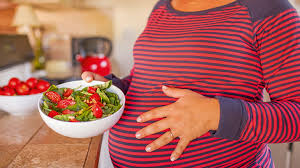
Pregnancy bloating is a common digestive issue caused by hormonal changes, slowed digestion, and pressure from the growing uterus. Focusing on gut-friendly foods, staying hydrated, and gentle exercise can significantly reduce discomfort. This article explores specific foods and habits to support a healthier digestive system during pregnancy.
Understanding Pregnancy Bloating
Bloating is that tight, full feeling in your belly. It can make your clothes feel snug. It can also cause gas and general discomfort.
Pregnancy hormones are a big reason for this. Progesterone, a key pregnancy hormone, helps relax your muscles. This is great for your uterus.
But it also relaxes your digestive tract.
This relaxation slows down digestion. Food stays in your gut longer. This can lead to more gas production.
Bacteria in your gut break down undigested food. This process releases gases like hydrogen and methane. These gases build up.
That’s what causes that bloated feeling. It’s like a slow-moving traffic jam in your intestines.
As your pregnancy progresses, your growing uterus takes up more space. It starts to press on your digestive organs. This added pressure can further slow things down.
It can also push gas and waste through your system more slowly. This makes bloating worse. Many women notice it early on.
It can continue throughout their pregnancy.
It’s important to remember that this is usually normal. Your body is working hard. But that doesn’t mean you have to suffer.
Understanding the causes helps you make better food choices. It helps you find ways to ease the discomfort. Small changes can make a big difference in how you feel each day.
The Gut-Friendly Food Connection
Your gut health is super important. It’s where food is broken down. It’s where nutrients are absorbed.
A healthy gut means a happier you. For pregnancy, it means a healthier environment for your baby. Certain foods are known to be kind to your digestive system.
They help keep things moving smoothly. They also feed the good bacteria in your gut.
These “gut-friendly” foods often contain fiber. Fiber adds bulk to your stool. This helps it move through your intestines.
It also acts like a sponge. It absorbs water. This makes your stool softer.
Softer stool is easier to pass. This reduces the chance of constipation, which often goes hand-in-hand with bloating.
Another key player is prebiotics. Prebiotics are types of fiber. They are food for the good bacteria in your gut, also called probiotics.
When these good bacteria eat prebiotics, they grow. They help balance your gut microbiome. A balanced microbiome is crucial for good digestion.
It helps break down food efficiently. It can also help reduce gas production.
Probiotics are live beneficial bacteria. They are found in fermented foods. Adding probiotics to your diet can help replenish your gut flora.
This is especially helpful if your digestion has been off. It can restore balance. It can make your gut work more efficiently.
This can lead to less bloating and more comfort.
So, when we talk about gut-friendly foods for pregnancy, we’re looking for things that support fiber intake. We’re looking for foods that provide prebiotics. We’re also looking for foods that naturally contain probiotics or help promote their growth.
It’s about feeding your gut system well. This helps it manage the changes of pregnancy.
Quick Scan: Top Gut-Friendly Foods
Fruits: Berries, Apples (with skin), Pears, Bananas, Papaya
Vegetables: Leafy Greens, Sweet Potatoes, Carrots, Zucchini, Asparagus
Grains: Oats, Quinoa, Brown Rice, Barley
Legumes: Lentils, Beans (start slow), Chickpeas
Fermented Foods: Yogurt (plain, live cultures), Kefir, Sauerkraut (unpasteurized)
Seeds & Nuts: Chia Seeds, Flaxseeds, Almonds, Walnuts
The Best Foods to Ease Pregnancy Bloating
Let’s dive into specific foods. These can really help calm your digestive system. They can reduce that uncomfortable bloated feeling.
Think about adding more of these to your daily meals. Small servings of a variety are often best. This way, you get different nutrients.
And your gut gets used to them.
Fiber-Rich Fruits
Fruits are fantastic for digestion. They are packed with fiber and water. This combination is a gut’s best friend.
Berries, like blueberries and raspberries, are low in sugar. They are high in fiber. They also have antioxidants.
Apples and pears are great too. Just be sure to eat the skin for extra fiber. Bananas are a classic choice.
They are easy to digest. They can also help with potassium levels, which is good for muscle function.
Papaya is a tropical fruit. It contains an enzyme called papain. This enzyme helps break down protein.
This can make digestion easier. It’s often recommended for digestive issues. A small bowl of mixed berries or a sliced apple can be a perfect snack.
They keep things moving without causing a spike in blood sugar.
When introducing new high-fiber foods, do it slowly. Your body needs time to adjust. Too much fiber too fast can actually cause more gas.
Start with one serving a day. See how your body reacts. Then gradually increase it.
Gentle Vegetables
Most vegetables are good for you. But some are better for sensitive stomachs. Leafy greens like spinach and kale are nutritional powerhouses.
They are rich in vitamins and minerals. They also provide fiber. Cooked greens can be easier to digest than raw ones.
Steaming or light sautéing works well.
Sweet potatoes are another excellent choice. They are soft when cooked. They are a good source of fiber and beta-carotene.
Roasting or baking them is simple. Carrots are also easy to digest. They are great raw or cooked.
Zucchini is mostly water. It’s very gentle on the stomach. It cooks quickly.
Asparagus is known for its fiber content. It helps with regularity.
Avoid vegetables that tend to cause gas for many people. These include broccoli, cauliflower, Brussels sprouts, and cabbage. If you love these, try cooking them thoroughly.
Some women find they tolerate small amounts better when cooked until very tender. But if they consistently cause bloating, it’s okay to avoid them during pregnancy.
Myth vs. Reality: Pregnancy Bloating
Myth: All pregnancy bloating is a sign of a problem.
Reality: Mild to moderate bloating is very common in pregnancy due to hormones and growing uterus. It’s usually normal. Severe, sudden bloating with pain, vomiting, or fever needs medical attention.
Myth: You must avoid all dairy to stop bloating.
Reality: Some women are sensitive to lactose. Others tolerate dairy fine. Plain yogurt with live cultures can actually help digestion.
Try small amounts of dairy and see how you feel.
Whole Grains and Healthy Carbs
Whole grains are a cornerstone of a healthy diet. They provide complex carbohydrates and fiber. This helps maintain steady energy levels.
It also supports good digestion. Oats are a great example. Oatmeal for breakfast is a classic.
It’s filling and good for your gut. Make sure to choose rolled oats or steel-cut oats.
Quinoa is a complete protein. It’s also a good source of fiber. It cooks quickly and is very versatile.
You can use it in salads or as a side dish. Brown rice is a staple for many. It has more fiber than white rice.
Barley is another hearty grain. It’s very high in fiber. It can be added to soups and stews.
When choosing grains, look for “whole” on the label. This means the entire grain kernel is used. Refined grains, like white bread or white pasta, have had the bran and germ removed.
This strips away much of the fiber and nutrients. They can also cause quicker spikes in blood sugar.
Legumes and Proteins
Legumes, like beans and lentils, are amazing. They are packed with protein and fiber. They are very nutritious.
However, they can also cause gas for some people. This is due to certain types of carbohydrates called oligosaccharides. Your body doesn’t break these down easily.
Bacteria ferment them, producing gas.
If you’re not used to eating beans, start very slowly. Try a small amount of lentils or black beans once a week. Make sure they are well-cooked.
Soaking dried beans overnight can also help. Rinsing canned beans thoroughly also removes some of the gas-producing compounds. If you find even small amounts cause bloating, you might need to limit them or avoid them during pregnancy.
Other good protein sources that are often easier on the stomach include lean meats like chicken and turkey. Fish is also a great option, especially fatty fish like salmon for omega-3s. Eggs are easy to digest and a complete protein.
Tofu and tempeh are plant-based proteins that many find well-tolerated.
Fermented Foods for Probiotics
Fermented foods are made through a process. Beneficial bacteria or yeast break down sugars. This process creates probiotics.
These live organisms can be very helpful for gut health. Plain yogurt with “live and active cultures” is a common probiotic source. Look for labels that specify these cultures.
Kefir is a fermented milk drink. It’s like a drinkable yogurt. It often contains a wider variety of probiotic strains.
It can be a good option if you tolerate dairy. Sauerkraut, which is fermented cabbage, is another probiotic-rich food. Make sure to buy unpasteurized versions.
Pasteurization kills the beneficial bacteria.
Kimchi, a Korean fermented dish, is also a good source. However, it can be quite spicy. It might not be suitable for everyone, especially if you have heartburn.
Remember, start with small portions of fermented foods. Some people might experience a temporary increase in gas as their gut adjusts to the new bacteria.
Tips for Incorporating Gut-Friendly Foods
Start Slow: Add one new gut-friendly food at a time. Give your body a chance to adapt. This is especially true for high-fiber foods and legumes.
Hydrate Well: Drink plenty of water throughout the day. Water helps fiber do its job. It keeps things moving smoothly.
Aim for about 8-10 glasses daily.
Cook Thoroughly: Some vegetables are easier to digest when cooked. Steaming, baking, or roasting can break down tough fibers.
Chew Well: Take your time to chew your food thoroughly. This is the first step in digestion. It helps break down food into smaller pieces.
Listen to Your Body: Pay attention to how different foods make you feel. What works for one person might not work for another. Keep a food diary if needed.
Foods to Be Mindful Of
Just as some foods help, others can make bloating worse. It’s helpful to know which ones to approach with caution. This doesn’t mean you have to cut them out completely.
But being aware can help you manage your intake.
Gas-Producing Vegetables
We mentioned these earlier: broccoli, cauliflower, Brussels sprouts, cabbage, onions, and garlic. These vegetables contain compounds that are difficult for some people to digest. They can lead to increased gas and bloating.
If you love them, try cooking them very well. Steaming or boiling until very soft can help. Sometimes, small amounts are okay.
But large portions might cause problems.
Onions and garlic are used in so many dishes. If they bother you, try using them in moderation. Or experiment with cooking them longer.
Some people find that fully cooked onions and garlic are easier on their system. It’s a personal journey to find what works for your body.
Artificial Sweeteners and Sugar Alcohols
Many diet drinks and sugar-free candies contain artificial sweeteners. Some of these, like sorbitol and xylitol (sugar alcohols), can have a laxative effect. They can also cause gas and bloating.
Your body doesn’t absorb them well. They can ferment in the gut, producing gas.
If you consume diet products, check the ingredient list. Try to limit or avoid products with sugar alcohols. It’s generally best to stick to natural, whole foods during pregnancy.
Even natural sweeteners like honey and maple syrup should be consumed in moderation.
High-Fat Foods
Fat slows down digestion. This is because it takes longer for your body to break down fats. This can contribute to that heavy, full feeling and bloating.
While some healthy fats are essential during pregnancy, large amounts of fried foods or very rich, fatty meals might worsen bloating.
Think about limiting greasy burgers, fries, and creamy desserts if you’re feeling bloated. Opt for healthier fats like those found in avocados, nuts, seeds, and olive oil. These are usually easier to digest in moderation.
Processed Foods and Refined Carbohydrates
Highly processed foods often lack fiber. They can be high in sodium, which can lead to water retention and bloating. Think about salty snacks, white bread, pastries, and fast food.
These items can disrupt your gut balance. They don’t offer much in terms of nutrients.
Refined carbohydrates are quickly digested. They can lead to blood sugar spikes and crashes. This isn’t ideal for energy levels.
They also don’t contribute to healthy gut bacteria as much as whole grains do. Focusing on whole, unprocessed foods is a good strategy for managing pregnancy symptoms.
Contrast: Normal vs. Concerning Bloating
Normal Pregnancy Bloating:
* Mild to moderate fullness.
* Occasional gas.
* Happens throughout the day.
* Associated with eating or hormonal shifts.
* Relieved by dietary changes or passing gas.
Concerning Bloating (Seek Medical Advice):
* Severe, sudden, or constant pain.
* Bloating accompanied by vomiting or diarrhea.
* Fever or chills.
* Difficulty breathing.
* Bloating that doesn’t improve or gets worse.
* Blood in stool.
Beyond Food: Other Ways to Help
While food plays a huge role, other lifestyle factors can also impact bloating. Making a few simple adjustments can greatly improve your comfort.
Stay Hydrated
This is so important, it bears repeating. Drinking enough water is key. Water helps fiber move through your system.
It prevents constipation. Constipation often makes bloating worse. Aim for at least 8-10 glasses of water a day.
You can also get hydration from herbal teas (pregnancy-safe ones) and watery fruits like watermelon. If you find plain water boring, try adding a slice of lemon or cucumber.
Gentle Exercise
Movement can be incredibly helpful for digestion. When you’re pregnant, you don’t need to run a marathon. Gentle activities like walking, swimming, or prenatal yoga can make a big difference.
Exercise helps stimulate your digestive muscles. It encourages the movement of gas and waste through your intestines.
Even a short 15-20 minute walk after meals can be beneficial. It helps your body process the food you’ve eaten. It can prevent that sluggish, heavy feeling.
Always consult your doctor before starting any new exercise program during pregnancy.
Eating Habits
How you eat matters as much as what you eat. Eating too quickly is a common culprit for bloating. When you eat fast, you swallow more air.
This air can get trapped in your digestive system. Try to slow down. Put your fork down between bites.
Focus on chewing your food thoroughly.
Eating smaller, more frequent meals can also help. Instead of three large meals, try five or six smaller ones. This puts less strain on your digestive system at any one time.
It can help keep your blood sugar stable and prevent overeating. Avoid lying down immediately after eating. Give your body some time to digest.
Stress Management
The connection between your brain and your gut is very strong. Stress can significantly impact digestion. When you’re stressed, your body releases hormones that can affect your gut.
This can lead to or worsen digestive issues like bloating. Finding ways to relax is beneficial for your overall health, including your gut health.
Try simple relaxation techniques like deep breathing exercises. Listen to calming music. Take short breaks during the day.
Prenatal massage can also be very soothing. Prioritizing rest is also crucial. When you’re well-rested, your body functions better.
Personal Experience: The Day the Asparagus Saved Me
I remember one particularly rough week in my second trimester. My usual morning sickness had subsided, which was a relief. But then came the bloating.
It was relentless. My belly felt like a balloon. I was so uncomfortable, especially by the afternoon.
I’d tried cutting out fizzy drinks. I’d tried eating slower. Nothing seemed to make a lasting difference.
One evening, I was feeling really miserable. My usual go-to dinner of chicken and rice felt heavy. I remembered reading somewhere about asparagus.
It’s supposed to be good for digestion. I was skeptical. It seemed too simple.
But I was desperate. So, I quickly steamed some asparagus spears. I added a little lemon juice and a tiny pinch of salt.
I ate them slowly, mindful of each bite. To my absolute surprise, within an hour, I felt a noticeable difference. The tightness in my belly eased up.
The pressure seemed to lessen. It wasn’t an instant cure-all. But it was the first time in days I felt some relief.
That night, I slept better than I had in weeks. It taught me a valuable lesson. Sometimes, the simplest foods can have the biggest impact.
I started incorporating asparagus and other gentle veggies more regularly. It made a real difference in my day-to-day comfort.
What This Means for You
Understanding pregnancy bloating is the first step. Knowing that it’s common can ease some worry. For most women, it’s a temporary discomfort.
It’s a sign your body is going through incredible changes. The goal isn’t to eliminate it entirely. It’s about managing it.
It’s about finding ways to feel more comfortable in your own skin.
When it comes to food, think of it as an exploration. What works for you? What makes you feel better?
Pay attention to your body’s signals. A food diary can be really helpful here. Jot down what you eat.
Note how you feel afterward. This can reveal patterns you might not notice otherwise.
If you’re experiencing severe or sudden bloating, or if it’s accompanied by other concerning symptoms like pain, fever, or vomiting, please contact your doctor. They can rule out any other causes. They can offer personalized advice.
But for everyday discomfort, focusing on a balanced diet rich in fiber, staying hydrated, and gentle movement can be very effective.
Quick Fixes and Tips
Here are some super simple things you can try right now:
- Sip Warm Water: A cup of warm water, maybe with a slice of ginger, can soothe your stomach.
- Gentle Belly Massage: A light clockwise massage can help move gas along. Be very gentle.
- Herbal Teas: Peppermint, ginger, or fennel tea can help calm an upset stomach. Always check with your doctor about pregnancy-safe herbs.
- Avoid Carbonation: Stick to still water or flat drinks. Fizzy drinks add extra air to your system.
- Mindful Snacking: Instead of reaching for processed snacks, opt for a small handful of almonds or a piece of fruit.
Frequently Asked Questions
What are the main reasons for bloating during pregnancy?
The primary causes are hormonal changes, especially increased progesterone, which slows digestion. The growing uterus also presses on your digestive organs, further impeding the movement of food and gas. These factors combined lead to discomfort and a feeling of fullness.
Are there any foods I should absolutely avoid when pregnant and bloated?
While not all foods need to be avoided, be mindful of gas-producing vegetables like broccoli, cauliflower, and cabbage, especially if you find they trigger bloating. Also, limit artificial sweeteners, very fatty foods, and highly processed items. Listen to your body; what bothers one person might be fine for another.
Can probiotics help with pregnancy bloating?
Yes, probiotics can be beneficial. They introduce good bacteria to your gut, which can help balance your microbiome and improve digestion. Fermented foods like plain yogurt with live cultures and kefir are good sources.
Always discuss supplements with your healthcare provider.
How much water should I drink daily to help with bloating?
Aim for at least 8 to 10 glasses (64 to 80 ounces) of water daily. Staying well-hydrated is crucial for fiber to work effectively, preventing constipation and promoting regular bowel movements, which can reduce bloating.
Is it safe to exercise when I’m feeling bloated during pregnancy?
Yes, gentle exercise is often recommended. Light activities like walking, swimming, or prenatal yoga can help stimulate digestion and relieve gas. Avoid strenuous activities if you feel uncomfortable.
Always consult your doctor before starting or continuing an exercise routine.
What if my bloating is severe and painful?
Severe, sudden, or constant pain, especially if accompanied by vomiting, fever, or difficulty breathing, requires immediate medical attention. This could indicate a more serious condition. Contact your doctor or go to an urgent care facility right away.
Conclusion
Pregnancy bloating is a common hurdle. But with the right foods and simple lifestyle tweaks, you can find relief. Focus on whole, fiber-rich foods.
Stay hydrated. Move your body gently. Listen to your body’s unique needs.
You’ve got this!