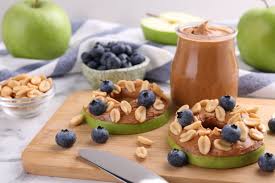
The best blood sugar friendly pregnancy snacks focus on balancing protein, healthy fats, and complex carbohydrates. They help keep you full and prevent sharp spikes and crashes in your glucose levels. Good choices include plain Greek yogurt with berries, apple slices with peanut butter, or a small handful of almonds.
Understanding Pregnancy and Blood Sugar
Pregnancy changes your body in many ways. Hormones play a big role. These hormones help your baby grow.
But they can also make it harder for your body to use insulin well. Insulin is the hormone that helps your body use sugar for energy. When this doesn’t work as smoothly, your blood sugar can rise.
This is called gestational diabetes. It affects about 2 to 10 percent of pregnancies.
Even if you don’t have gestational diabetes, keeping your blood sugar stable is important. Big swings can make you feel tired or grumpy. They can also lead to extra weight gain.
Steady blood sugar means steady energy. It helps you avoid those afternoon slumps. It also supports your baby getting a constant supply of nutrients.
So, what does “stable blood sugar” really mean for snacks? It means choosing foods that don’t cause a rapid jump in sugar. Think slow and steady.
Foods that digest slowly are key. These often contain fiber, protein, and healthy fats. They help release sugar into your bloodstream over a longer time.
This is the goal for all your meals and snacks during pregnancy.
Why Smart Snacking Matters in Pregnancy
Snacks are not just about stopping hunger pangs. They are mini-meals. They help bridge the gap between your main meals.
For pregnant women, they are super important. Your body needs more energy and nutrients now. Eating smaller, frequent meals and snacks can help meet these needs.
It also helps manage nausea. Some women feel better if they eat a little something every few hours.
Smart snacking helps prevent your blood sugar from dropping too low. This can cause dizziness or weakness. It also helps prevent it from going too high.
High blood sugar, even if not gestational diabetes, can lead to issues. These include feeling tired and gaining too much weight. It can also impact how your baby grows.
Think of your blood sugar like a calm lake. You want it smooth and steady. A snack full of sugary cookies is like dropping a big rock in the lake.
It causes big waves that crash and take a long time to settle. A balanced snack is like a gentle ripple. It’s a small, manageable change.
So, smart snacking is about nourishment. It’s about energy. And it’s about keeping your body and your baby healthy.
It’s a simple habit that makes a big difference in how you feel day to day. It’s a proactive step for a healthier pregnancy. It’s one of the easiest ways to support your well-being.
The Science Behind Blood Sugar Friendly Snacks
To pick the best snacks, we need a little science. It’s not super complicated! Our bodies break down food into glucose.
Glucose is sugar. This sugar goes into our blood. Insulin then helps move this sugar into our cells for energy.
When we eat foods with simple sugars, like candy or white bread, they break down fast. This causes a quick spike in blood sugar.
Complex carbohydrates, like whole grains and vegetables, break down slower. They have fiber. Fiber is like a gatekeeper.
It slows down how fast sugar enters your blood. Protein and healthy fats also slow digestion. They help you feel full longer.
They also help prevent rapid blood sugar changes.
This is why combining food groups is so important for snacks. An apple alone is good, but it has natural sugars. Add some peanut butter, and you add protein and fat.
This combination makes the sugar from the apple release much more slowly. Your blood sugar stays more stable. Your energy levels stay more even.
It’s all about balance. Aim for snacks that include at least two food groups. For example, a source of protein and a source of complex carbs.
Or a healthy fat and a complex carb. This simple rule helps create snacks that work with your body. They support stable blood sugar.
They provide sustained energy. This is vital for you and your growing baby.
The goal is to avoid the “roller coaster” effect of blood sugar. This means feeling good between meals. It means having enough energy to get through your day.
It means supporting a healthy pregnancy environment for your little one. It’s a practical application of how our bodies work with food. Understanding this makes snack choices much easier and more effective.
Think about the Glycemic Index (GI). Foods with a low GI release sugar slowly. Foods with a high GI release sugar quickly.
Low GI foods are your friends during pregnancy. Combining foods helps lower the overall GI of a snack. For example, eating plain rice (high GI) with chicken (protein) and broccoli (fiber) is much better than plain rice alone.
This concept applies directly to choosing snacks.
My Own Snack Struggles (And How I Figured It Out)
I remember being pregnant with my first. I was so excited, but also so tired. And I was starving all the time!
My doctor mentioned watching my sugar intake. I thought, “Okay, I’ll just avoid candy.” Easy, right? Wrong.
I was still snacking on things I thought were healthy. Things like fruit juices and crackers. And then, I’d hit a wall.
That dizzy, shaky feeling would creep in. I’d feel so weak.
One afternoon, I reached for a granola bar. It seemed like a good choice. It had oats and maybe some nuts.
But it was packed with sugar. Within an hour, I was so tired. I just wanted to lie down.
My hands even started to feel a little tingly. That’s when I knew something was off. It wasn’t just about avoiding sweets.
It was about what was in the “healthy” snacks.
I started talking to my nutritionist. She explained the protein and fat thing in simple terms. She said, “Think of protein and fat as a slow-release fuel.” It was like a lightbulb went off.
I started pairing my apple with almond butter. I added a few nuts to my yogurt. I tried hard-boiled eggs.
These small changes made a huge difference. I felt more energized. The shaky spells stopped.
I wasn’t as hungry between meals. It made my pregnancy so much more comfortable. It was a real game-changer for me.
Snack Success Story: Sarah’s Journey
What happened: Sarah felt constant fatigue and sugar cravings in her second trimester. Her prenatal vitamin made her feel a bit off. She was eating fruit and whole-wheat crackers often.
The change: She swapped her afternoon crackers for a small bowl of cottage cheese with a few cucumber slices. She also started having a handful of walnuts with her afternoon banana instead of just the banana.
The result: Sarah noticed her energy levels were much more stable. The cravings for sugary snacks decreased significantly. She felt more satisfied and less prone to the afternoon slump that used to hit her hard.
Best Blood Sugar Friendly Pregnancy Snacks
Now, let’s get to the good stuff! What snacks can you actually enjoy? The key is balance and variety.
We want snacks that satisfy your taste buds and your body’s needs. Here are some top picks:
1. Greek Yogurt with Berries
Plain Greek yogurt is high in protein. Protein helps you feel full. It also slows sugar absorption.
Berries (like blueberries, raspberries, or strawberries) are lower in sugar than many other fruits. They are also packed with antioxidants and fiber.
Why it works: The protein in yogurt balances the natural sugars in the berries. The fiber in the berries also helps. Add a sprinkle of chia seeds or a few slivered almonds for extra fiber and healthy fats.
This makes it a powerhouse snack.
Tip: Always choose plain Greek yogurt. Flavored yogurts are often loaded with added sugar. You can sweeten it naturally with the berries.
2. Apple Slices with Nut Butter
This is a classic for a reason! Apples provide fiber and natural sweetness. Nut butters (like peanut butter, almond butter, or cashew butter) offer protein and healthy fats.
Why it works: The fat and protein in the nut butter create a slower release of sugar from the apple. This prevents a quick blood sugar spike. It keeps you satisfied for longer.
Tip: Look for natural nut butters with just nuts and maybe a little salt. Avoid those with added sugars or hydrogenated oils. A tablespoon or two is usually a good serving size.
3. Hard-Boiled Eggs
Eggs are a perfect portable snack. They are a complete protein. They also contain healthy fats and essential nutrients.
They are naturally low in carbohydrates.
Why it works: Protein and fat are digested slowly. This means they have a minimal impact on blood sugar levels. They provide sustained energy and keep you feeling full.
Tip: Boil a batch at the beginning of the week. Keep them in the fridge for a grab-and-go option. A sprinkle of pepper or a little everything bagel seasoning can add flavor.
4. Cottage Cheese with Veggies or Fruit
Cottage cheese is another protein superstar. It’s low in carbs and helps keep you full. You can pair it with a variety of healthy additions.
Why it works: The protein content stabilizes blood sugar. Adding fiber from veggies or a small amount of low-sugar fruit further enhances the blood sugar effect. It’s a versatile snack base.
Tip: Try it with cherry tomatoes and a dash of black pepper. Or mix in a few berries. You could even add a sprinkle of chopped nuts.
5. A Small Handful of Nuts and Seeds
Almonds, walnuts, pistachios, pumpkin seeds, sunflower seeds – these are all great options. They are packed with healthy fats, protein, and fiber.
Why it works: Their rich nutrient profile means they digest slowly. They have a very low impact on blood sugar. They are energy-dense and satisfying.
Tip: Portion control is key here, as nuts are calorie-dense. A small handful (about 1 ounce) is a good serving. Pre-portion them into small bags to avoid overeating.
6. Avocado Slices with Whole-Grain Crackers
Avocado is a fantastic source of healthy monounsaturated fats. It’s also a good source of fiber.
Why it works: The healthy fats in avocado slow down digestion. They prevent rapid sugar release from the crackers. This pairing provides sustained energy and satiety.
Tip: Choose whole-grain crackers that are high in fiber. Look for ones with at least 3 grams of fiber per serving. Lightly salt the avocado slices or add a sprinkle of red pepper flakes.
7. Edamame (Steamed)
Edamame, or young soybeans, are a great plant-based protein and fiber source. They are naturally low in carbs.
Why it works: The combination of protein and fiber makes edamame a fantastic blood sugar-friendly snack. It keeps you feeling full and provides steady energy.
Tip: Buy them frozen in the pod or shelled. Steam them and enjoy with a sprinkle of sea salt. They are easy to prepare and very satisfying.
8. Veggie Sticks with Hummus
Carrots, celery, bell peppers, cucumbers – these are low in sugar and high in fiber and vitamins. Hummus, made from chickpeas, provides protein and fiber.
Why it works: The fiber in the vegetables and hummus helps slow sugar absorption. The protein and healthy fats in hummus contribute to satiety. This is a refreshing and filling snack.
Tip: Make your own hummus or buy a plain, low-sodium version. Dip a variety of crunchy vegetables for maximum nutrition and flavor.
Quick Snack Combos
- Protein + Fiber: Hard-boiled egg + a few whole-grain crackers.
- Healthy Fat + Carb: Small handful of almonds + half a small pear.
- Dairy + Fruit: Plain Greek yogurt + a small handful of raspberries.
- Veggie + Dip: Celery sticks + 2 tablespoons of natural peanut butter.
Snacks to Approach with Caution (or Avoid)
Just as important as knowing what to eat is knowing what to limit. Some snacks might seem innocent but can cause blood sugar to jump. This can leave you feeling unwell.
1. Sugary Drinks
Fruit juices, sodas, and sweetened teas are major culprits. Even 100% fruit juice is very concentrated sugar. It lacks the fiber of whole fruit.
Why avoid: These provide a rapid influx of sugar into your bloodstream. There’s no fiber or protein to slow it down. This leads to a quick spike followed by a crash.
What to choose instead: Water, unsweetened herbal tea, or a small glass of milk.
2. Processed Snack Foods
Many packaged cookies, cakes, pastries, and candies are made with refined flours and added sugars.
Why avoid: These offer little nutritional value and cause fast blood sugar spikes. They can also lead to cravings for more sweet foods.
What to choose instead: Focus on whole, unprocessed foods.
3. Refined Carbohydrate Snacks
White bread, white crackers, pretzels, and sugary cereals fall into this category. They are made from refined grains.
Why avoid: The refining process removes the bran and germ. This means they lose most of their fiber. They break down quickly into sugar.
What to choose instead: Opt for whole-grain versions. But even then, pair them with protein or fat.
4. Sweetened Yogurt and Cereal Bars
Many “healthy” bars are packed with sugar, even the ones marketed for kids or athletes.
Why avoid: They often contain high amounts of added sugars and refined carbohydrates. They can cause blood sugar spikes similar to candy bars.
What to choose instead: Read labels carefully! Look for bars with minimal added sugar and a good balance of fiber, protein, and healthy fats. Or better yet, make your own.
Or stick to whole foods.
5. Dried Fruit in Large Quantities
While dried fruit has fiber, it’s also very concentrated in sugar. Removing the water makes the sugar more potent.
Why avoid: Eating too much dried fruit can lead to a significant sugar load. It’s easy to eat more than you realize.
What to choose instead: Enjoy fresh fruit. If you have dried fruit, have a very small portion and pair it with nuts or seeds.
Label Reading is Your Superpower
Ingredient List: Look for whole foods at the top. Sugar can be listed under many names (corn syrup, fructose, dextrose, etc.).
Nutrition Facts: Check total carbohydrates, fiber, and added sugars. Aim for snacks with lower added sugars and higher fiber.
Serving Size: Be mindful of how many servings are in the package. It’s easy to eat more than intended.
Creating Your Pregnancy Snack Plan
Having a plan makes healthy choices easier. Especially when you’re tired or stressed.
1. Plan Ahead
Think about your week. What snacks will you need? For work?
For home? For outings?
Action: Buy your favorite blood sugar friendly snacks. Pack a snack bag the night before if you’ll be out.
2. Keep it Simple
You don’t need fancy recipes. Simple combinations are often the best.
Action: Stock your kitchen with items like Greek yogurt, nuts, apples, peanut butter, hard-boiled eggs, and veggie sticks.
3. Listen to Your Body
Your cravings might change. Your hunger levels will vary. Pay attention to how different snacks make you feel.
Action: If a snack leaves you feeling tired or hungry soon after, try a different combination next time.
4. Stay Hydrated
Sometimes thirst can feel like hunger. Drinking water is crucial during pregnancy.
Action: Keep a water bottle with you and sip it throughout the day. Try unsweetened herbal teas too.
5. Consult Your Doctor or Dietitian
Every pregnancy is unique. A healthcare professional can give you personalized advice.
Action: If you have gestational diabetes or concerns about your blood sugar, always follow their guidance.
Sample Daily Snack Schedule
Mid-Morning Snack (around 10 AM): Plain Greek yogurt with a few berries.
Afternoon Snack (around 3 PM): Apple slices with 2 tablespoons of almond butter.
Evening Snack (if needed, before bed): A small handful of walnuts or a hard-boiled egg.
Note: Adjust timings and portions based on your hunger and healthcare provider’s advice.
What This Means for Your Pregnancy Well-being
Choosing blood sugar friendly snacks is more than just managing numbers. It’s about feeling good. It’s about having energy for your day.
It’s about ensuring your baby gets the best possible environment to grow.
When your blood sugar is stable, you’re likely to experience:
More consistent energy levels, reducing fatigue. Fewer cravings for unhealthy, sugary foods. Better mood regulation, less irritability.
Improved digestion and less nausea for some. * Support for your baby’s healthy development.
Making these small changes to your snack choices can have a ripple effect on your entire pregnancy experience. It’s a form of self-care. It’s a way to nurture yourself and your growing little one.
Don’t underestimate the power of a well-chosen snack!
When to Seek Professional Advice
While these tips are generally helpful, it’s important to know when to call in the experts. Your healthcare team is your best resource.
1. Diagnosis of Gestational Diabetes
If you’ve been diagnosed with gestational diabetes, your doctor or a registered dietitian will provide a specific meal and snack plan. This is crucial for managing the condition safely.
2. Persistent Symptoms
If you experience frequent dizziness, shakiness, extreme fatigue, or blurred vision, consult your doctor. These could be signs of blood sugar issues.
3. Uncontrolled Cravings
If you find it very hard to control cravings for sweets or unhealthy foods, a dietitian can offer strategies and support.
4. Concerns About Weight Gain
Your doctor or dietitian can help you create a nutrition plan that supports healthy weight gain during pregnancy.
Working with your healthcare providers ensures you are meeting your specific needs. They can tailor advice to your unique health profile. This is key for a healthy pregnancy outcome for both you and your baby.
Frequently Asked Questions About Pregnancy Snacks
What is the best time to have a pregnancy snack?
The best times are usually mid-morning and mid-afternoon, about 2-3 hours after your main meals. If you experience morning sickness, a small snack before getting out of bed can help. Some people also find a small, protein-rich snack before bed beneficial.
Listen to your body and your doctor’s advice.
Can I eat fruit as a pregnancy snack?
Yes, fruit is a great source of vitamins, fiber, and natural sugars. However, it’s best to pair fruit with a source of protein or healthy fat, like a handful of nuts or some cheese. This helps slow down the sugar absorption from the fruit, keeping your blood sugar more stable.
Are carrots a good snack during pregnancy for blood sugar?
Carrots are a good source of fiber and vitamins. They are relatively low in sugar compared to some other fruits. Pairing them with a protein or fat source, like hummus or a small amount of cheese, makes them an excellent blood sugar friendly snack.
They provide crunch and nutrients without causing spikes.
What if I have a really strong craving for something sweet?
It’s normal to have cravings! Instead of giving in to highly processed sweets, try a healthier alternative. A small bowl of plain Greek yogurt with a drizzle of honey and some berries can satisfy a sweet tooth.
Or try a small piece of dark chocolate (70% cacao or higher) with a few almonds. If cravings are overwhelming, discuss them with your doctor or a dietitian.
How much protein do I need in my snacks?
While specific needs vary, aiming for around 10-20 grams of protein per snack can be very beneficial for blood sugar control and satiety. Foods like Greek yogurt, cottage cheese, eggs, nuts, and seeds are great sources of protein to include in your snacks.
Can I eat rice cakes as a snack?
Plain rice cakes are often made from refined white rice, which can cause a quick rise in blood sugar due to their low fiber content. If you want to enjoy rice cakes, opt for brown rice cakes and always pair them with a protein or healthy fat source, like avocado or peanut butter, to help balance the blood sugar response.
Conclusion: Nurturing Yourself and Your Baby with Smart Choices
Navigating pregnancy nutrition can feel overwhelming. But focusing on smart, blood sugar friendly snacks makes a big difference. These simple choices help you feel better, have more energy, and support your baby’s growth.
Remember to keep it balanced, plan ahead, and listen to your body. You’ve got this!