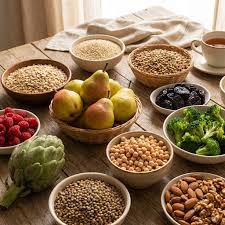
Eating the right foods can significantly ease pregnancy constipation. Focus on high-fiber options like fruits, vegetables, whole grains, and legumes. Drinking plenty of water is also key. These choices help soften stools and promote regular bowel movements naturally.
Understanding Pregnancy Constipation
Pregnancy constipation is a common issue. Many expecting mothers face this. It happens for several reasons. Hormones play a big role. Progesterone, a pregnancy hormone, relaxes your muscles. This includes the muscles in your intestines. When these muscles move slower, food stays longer in your gut. This allows more water to be absorbed from it. That makes stools harder and dryer. It’s harder for them to pass.
Another reason is the growing uterus. As your baby grows, your uterus expands. It presses on your intestines. This can slow down the movement of food. Also, some prenatal vitamins contain iron. Iron can be hard to digest. It can lead to constipation for some people. Feeling stressed or not moving enough can also make it worse. It’s a mix of internal and external factors.
The feeling can be really bothersome. You might feel bloated or full. There might be discomfort or even pain. It’s not just about feeling physically bad. It can affect your mental state too. When you’re not feeling well physically, it’s hard to feel happy. Finding relief is important for your overall well-being during this special time. Understanding why it happens is the first step.
My Own Pregnancy Constipation Story
I remember early in my first pregnancy. I felt this awful, heavy feeling. It was like a rock in my stomach that wouldn’t budge. I was so uncomfortable. I tried drinking more water, but it didn’t seem to help much at first. I started to worry. Was this going to be my life for the next nine months? It was more than just a little inconvenient; it felt like it was draining my energy.
One afternoon, while browsing a health food store, I spoke to a friendly staff member. She noticed my discomfort. She told me about the power of prunes and how much fiber I might be missing. I was eating salads, but maybe not enough of the right kind of fiber. She suggested adding more berries, leafy greens, and beans to my meals. It seemed simple, almost too simple. But I was desperate.
That evening, I made a big bowl of mixed berries with some Greek yogurt. I also added a handful of almonds. The next morning, I woke up feeling a noticeable difference. It wasn’t an instant miracle, but the heavy feeling had eased. It was such a relief. This experience taught me that small, consistent dietary changes could have a big impact. It made me appreciate how food truly fuels our bodies.
Fiber: Your Digestive Best Friend
Fiber is key to preventing and easing constipation. It adds bulk to your stool. It also helps soften it. This makes it easier to pass. There are two main types of fiber:
- Soluble Fiber: Dissolves in water. It forms a gel. This helps slow digestion. It can also lower cholesterol.
- Insoluble Fiber: Does not dissolve in water. It adds bulk to stool. It helps food pass through the gut faster.
Aim for both types in your diet. Most fruits, vegetables, and oats have both. This makes them super helpers.
Top Foods for Pregnancy Constipation Relief
Let’s dive into the foods that can really help. These are the champions for a healthy digestive system during pregnancy. They are packed with fiber and other good stuff.
Fruits: Nature’s Sweet Helpers
Fruits are fantastic. They are naturally sweet. They also contain fiber and water. Both are essential for moving things along.
Prunes and Prune Juice
Prunes are famous for a reason. They are dried plums. They are full of fiber. They also have sorbitol. Sorbitol is a natural laxative. It helps draw water into your intestines. This softens the stool. Prune juice works similarly. It’s a concentrated dose of goodness. Try a small glass of prune juice in the morning. Or enjoy a few prunes as a snack. Some people find the taste strong. Start with a small amount to see how your body reacts.
Berries
Raspberries, blueberries, strawberries, and blackberries are all great. They are packed with fiber. They also have a high water content. This helps keep things hydrated. Add them to your yogurt. Toss them in a smoothie. Or eat them on their own. They are delicious and beneficial. They offer a variety of nutrients too.
Apples and Pears
Apples and pears are easy to find. They are good sources of fiber. Pears, in particular, are known for their laxative effect. They contain sorbitol too. Eat them with the skin on for maximum fiber. Make sure to wash them well. A whole apple or pear makes a satisfying snack. You can also bake them for a warm treat.
Kiwifruit
This fuzzy fruit is a powerhouse. It has a good amount of fiber. It also contains an enzyme called actinidin. This enzyme can help with digestion. Studies suggest it can speed up gut transit time. Try one or two kiwis a day. They are tasty on their own or in fruit salads.
Quick Fruit Fiber Boost
Need a quick way to add fruit fiber?
- Smoothie: Blend 1/2 cup berries, 1/2 banana, 1/4 cup prune juice, and 1 cup water.
- Snack: A pear with its skin, or a handful of prunes.
- Topping: Sprinkle chia seeds or flax seeds on yogurt with fruit.
Vegetables: The More, The Merrier
Vegetables are essential for everyone, especially during pregnancy. They offer fiber, vitamins, and minerals.
Leafy Greens
Spinach, kale, Swiss chard, and collard greens are excellent. They are high in fiber. They also contain magnesium. Magnesium can help relax your intestinal muscles. This aids in easier bowel movements. Include them in salads. Stir them into soups. Or sauté them as a side dish. The more variety, the better.
Broccoli and Brussels Sprouts
These cruciferous veggies are fiber champions. They add bulk to your diet. They help keep things moving. Steam them, roast them, or add them to stir-fries. They are nutritious and filling. Some people find they cause gas. Start with smaller portions if this is an issue for you.
Sweet Potatoes
Sweet potatoes are a great source of fiber. They are also rich in beta-carotene. This converts to Vitamin A. They are satisfying and can be prepared in many ways. Baked, mashed, or roasted, they are a healthy choice. Eating them with the skin on adds more fiber.
Carrots
Raw or cooked, carrots are a good source of fiber. They are also sweet and crunchy. They make a great snack. You can add them to stews and soups too. Their fiber content helps with regularity. They are generally well-tolerated by most people.
Vegetable Quick Wins
Adding veggies to meals can be simple:
- Breakfast: Add spinach to your scrambled eggs or omelet.
- Lunch: Pack a hearty salad with mixed greens and raw carrots.
- Dinner: Serve a side of steamed broccoli or roasted Brussels sprouts.
- Snack: Baby carrots with hummus.
Whole Grains: The Foundation
Whole grains are complex carbohydrates. They are a vital part of a balanced diet. They are rich in fiber.
Oatmeal
A warm bowl of oatmeal is a morning staple for a reason. It is a good source of soluble fiber. This helps with digestion and can also help you feel full. Choose steel-cut or rolled oats over instant varieties. They have more fiber and less added sugar. Add fruits or nuts for extra benefits.
Whole Wheat Bread and Pasta
Switching from white bread and pasta to whole wheat makes a difference. Look for “100% whole wheat” on the label. This ensures you are getting the most fiber. Whole wheat pasta is a great base for many meals. Enjoy it with vegetable-rich sauces. Whole wheat toast is a good breakfast or snack option.
Brown Rice
Brown rice is a healthier alternative to white rice. It contains more fiber. It also has more nutrients. Use it as a side dish. Or add it to soups and stews. The fiber content helps promote regularity. It’s a simple swap that pays off.
Quinoa
Quinoa is a complete protein. It’s also a good source of fiber. It cooks quickly. It’s versatile. Use it in salads. Serve it as a side. Or add it to your breakfast porridge. Its fiber content supports healthy digestion.
Whole Grain Swaps
Making small switches can add up:
| Instead Of | Try This |
|---|---|
| White Bread | 100% Whole Wheat Bread |
| White Rice | Brown Rice or Quinoa |
| Regular Pasta | Whole Wheat Pasta |
| Sugary Cereal | Oatmeal with Fruit |
Legumes: Protein and Fiber Powerhouses
Beans, lentils, and peas are nutritional giants. They are packed with both protein and fiber.
Beans (Black Beans, Kidney Beans, Chickpeas)
Beans are incredibly versatile. Black beans, kidney beans, pinto beans, and chickpeas are all excellent choices. They are very high in fiber. This helps promote regular bowel movements. They also provide important nutrients like iron and folate. Add them to salads, soups, chili, or make bean dips. Rinse canned beans to reduce sodium.
Lentils
Lentils cook quickly. They are a fantastic source of fiber and protein. They are great in soups, stews, and curries. They are also good in salads. Their high fiber content makes them a go-to for digestive health. They are easy to incorporate into many meals.
Legume Ideas
Simple ways to eat more legumes:
- Soup: Add a can of rinsed black beans or lentils to vegetable soup.
- Salad: Mix chickpeas into your favorite green salad.
- Side Dish: Serve seasoned kidney beans as a side to a main meal.
- Dip: Blend chickpeas with tahini for hummus.
Nuts and Seeds: Small but Mighty
These tiny powerhouses offer fiber, healthy fats, and protein. They are great for snacks or additions to meals.
Chia Seeds
Chia seeds are amazing. When mixed with liquid, they form a gel. This gel helps to move food through your digestive system. They are a great source of fiber. Sprinkle them on yogurt, oatmeal, or smoothies. You can also make chia pudding. They absorb a lot of water, so drink extra fluids when consuming them.
Flaxseeds
Like chia seeds, flaxseeds are rich in fiber. They also contain omega-3 fatty acids. It’s best to eat them ground. Your body can digest them better this way. Add ground flaxseeds to baked goods, smoothies, or yogurt. Again, drink plenty of water.
Almonds and Walnuts
A handful of almonds or walnuts makes a satisfying snack. They provide fiber and healthy fats. They can help keep you feeling full. They are easy to carry around. Just be mindful of portion sizes as they are calorie-dense.
Seed Sprinkle Secrets
Easy ways to add seeds:
- Yogurt Topping: Add a tablespoon of chia or flax seeds.
- Smoothie Boost: Toss a tablespoon of seeds into your blender.
- Baking: Mix ground flax into muffins or pancakes.
The Crucial Role of Water
Eating fiber-rich foods is only half the battle. You absolutely need to drink enough water. Fiber works by absorbing water. It uses that water to add bulk and soften your stool. If you don’t drink enough water, the fiber can actually make constipation worse.
During pregnancy, your body needs even more fluid. You’re supporting a growing baby. You’re also dealing with increased blood volume. Aim for at least 8-10 glasses of water a day. More if you are active or it’s hot. Listen to your body. Thirst is a sign you’re already a bit behind.
Don’t just think of plain water. Herbal teas (like peppermint or ginger tea, often safe in pregnancy) count. Broth-based soups are also good for hydration. Even fruits and vegetables with high water content contribute. But plain water should be your primary source. Carry a water bottle with you everywhere. Sip on it throughout the day. Staying hydrated is non-negotiable.
Hydration Hacks
Make drinking water easier:
- Flavor it: Add slices of lemon, lime, cucumber, or mint.
- Set Reminders: Use your phone to remind you to drink.
- Track it: Use a water bottle with time markers.
- Sip Slowly: Don’t chug. Sip steadily throughout the day.
Foods to Be Cautious With
While focusing on what to eat, it’s also good to know what might make constipation worse.
Processed Foods
Many processed foods are low in fiber. They are often high in fat and sugar. Examples include white bread, pastries, chips, and sugary cereals. These offer little nutritional value and can slow down digestion.
Too Much Dairy
For some people, large amounts of dairy products can contribute to constipation. This is not true for everyone. If you notice dairy makes it worse for you, try reducing your intake. Opt for dairy alternatives or smaller portions.
Red Meat
Red meat can be harder to digest for some. It is also lower in fiber compared to plant-based protein sources. Moderating your intake might be helpful.
Constipation Culprits?
Things to limit:
- Highly processed snacks (chips, cookies)
- Refined grains (white bread, white pasta)
- Sugary drinks (soda, sweet tea)
- Fast food meals
When to Seek Medical Advice
While dietary changes are usually effective, there are times when you should consult your doctor. If constipation is severe, lasts for more than a week despite your efforts, or is accompanied by severe pain, nausea, or vomiting, it’s important to get checked out.
Your doctor can rule out any underlying medical conditions. They can also advise on safe prenatal laxatives if needed. Never take any medication or supplement without your doctor’s approval during pregnancy. They know what is safe for you and your baby.
Red Flags to Watch For
Contact your doctor if you experience:
- Severe abdominal pain
- Nausea or vomiting
- Blood in your stool
- Constipation that doesn’t improve with diet and fluids
- A sudden change in bowel habits
Putting It All Together: Meal Ideas
Let’s make this practical. Here are some simple meal ideas:
Breakfast
Oatmeal topped with berries and a sprinkle of chia seeds. A whole wheat toast with avocado and a hard-boiled egg. A smoothie made with spinach, banana, almond milk, and flaxseeds.
Lunch
A large salad with mixed greens, chickpeas, cucumber, carrots, and a vinaigrette dressing. Lentil soup with a slice of 100% whole wheat bread. A turkey and veggie wrap on a whole wheat tortilla.
Dinner
Baked salmon with a side of roasted sweet potatoes and steamed broccoli. Chicken stir-fry with brown rice and plenty of vegetables like bell peppers and snap peas. Black bean burgers on whole wheat buns with a side salad.
Snacks
A pear. A handful of prunes. A small bowl of mixed berries. Greek yogurt with almonds. Carrot sticks with hummus.
Frequently Asked Questions
What is the fastest way to relieve pregnancy constipation?
The fastest natural relief often comes from a combination of immediate fiber intake and ample hydration. Eating prunes or drinking prune juice can provide quick results due to their natural laxative properties. Ensure you drink a large glass of water with them. Consistent daily intake of fiber-rich foods like berries, leafy greens, and whole grains is key for ongoing relief.
Can I eat bananas if I have pregnancy constipation?
While bananas are healthy and provide nutrients, they can sometimes be constipating for certain individuals, especially if eaten in large quantities or when not fully ripe. Ripe bananas are generally easier to digest. If you are already experiencing constipation, it might be better to focus on other fruits like berries, prunes, or pears, which are known for their stool-softening properties. Listen to your body and see how bananas affect you.
Is it safe to take fiber supplements during pregnancy for constipation?
Many fiber supplements, like psyllium or methylcellulose, are considered safe during pregnancy. However, it’s crucial to discuss this with your healthcare provider before starting any supplement. They can recommend a specific product and dosage. Always ensure you drink plenty of water when taking fiber supplements, as they absorb liquid. Prioritizing fiber from food sources is generally preferred.
How much water should I drink daily to help with constipation?
During pregnancy, aim for at least 8-10 glasses (about 64-80 ounces or 2-2.5 liters) of water daily. If you are very active or in a hot climate, you may need even more. This fluid intake is essential for fiber to work effectively and soften your stools, preventing constipation.
What are the best natural laxatives for pregnant women?
The most recommended natural aids are foods rich in fiber and water, such as prunes, prune juice, berries, pears, and leafy greens. Staying well-hydrated is also critical. Gentle exercise can also stimulate bowel movements. If these measures are not enough, consult your doctor about safe, pregnancy-approved laxative options, which may include certain types of fiber supplements.
Can eating spicy foods cause constipation during pregnancy?
Spicy foods themselves typically do not cause constipation. In fact, some spices can aid digestion. However, if a spicy food is also high in fat or low in fiber, it could contribute to sluggishness. For some pregnant individuals, very spicy foods might cause heartburn or indigestion, which could indirectly make them avoid eating, potentially impacting bowel regularity. It depends on the individual and the overall meal composition.
Final Thoughts on Eating for Relief
Dealing with constipation during pregnancy is a common challenge. But it’s one you can manage effectively with the right approach. Focus on incorporating a variety of high-fiber foods into your daily meals. Remember to drink plenty of water. Small, consistent changes can lead to significant relief. Be patient with your body. You’ve got this!